


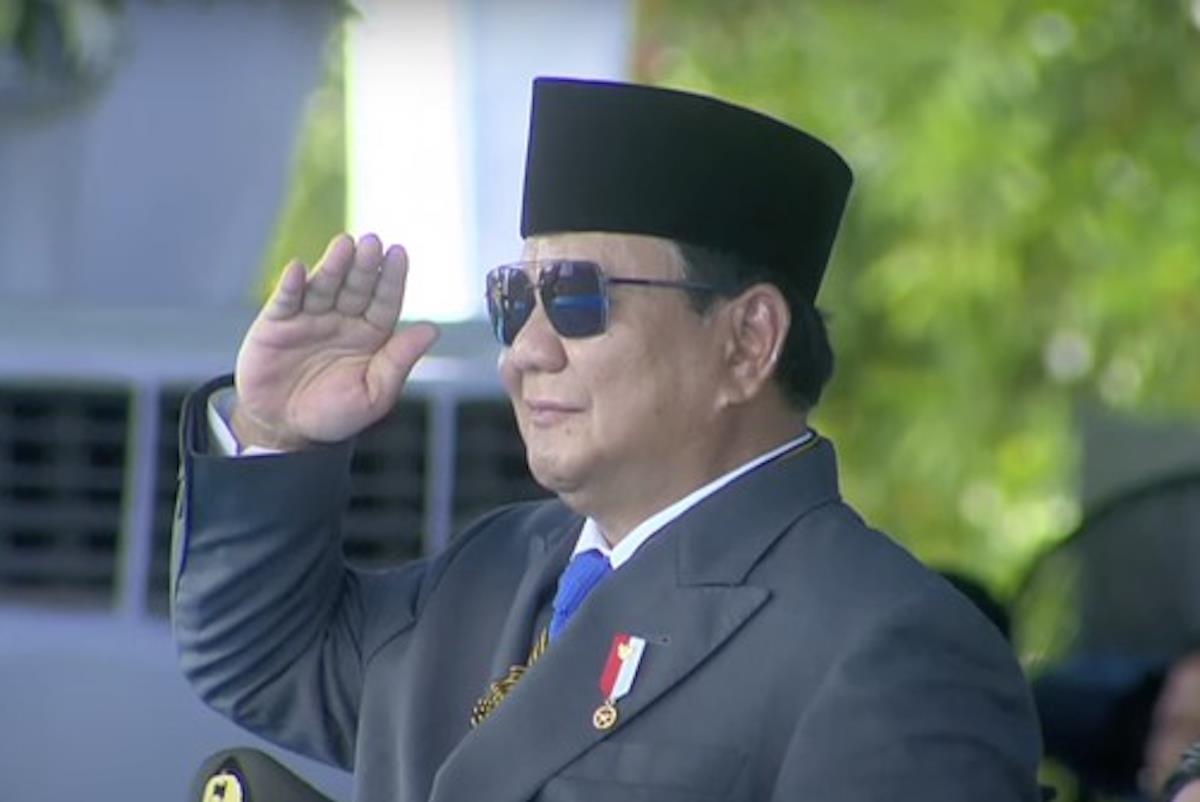
The Slow Boiling Of Indonesian Democracy


That is the real value of the“boiling frog” metaphor. It is not a scientific theory, but a political image for gradual adaptation. When change comes suddenly, resistance can be immediate. When the temperature rises slowly, however, every increase can appear tolerable. The danger lies not in one dramatic decision, but in the cumulative effect of many decisions that gradually become the new normal.
Indonesia's political temperature arguably began rising during President Joko Widodo's second term, well before Prabowo Subianto became president.
The 2019 weakening of the Corruption Eradication Commission (KPK), the expanding concentration of political power, the erosion of legislative and judicial checks, and, eventually, the constitutional maneuver that enabled Jokowi's son, Gibran Rakabuming Raka, to run for vice president became milestones in what scholars and observers describe as democratic decline.
International IDEA now records declines in Indonesia in credible elections, parliamentary effectiveness, freedom of expression, access to justice and judicial independence. V-Dem places Indonesia at its lowest democratic level since the beginning of the 21st century.
Prabowo did not initially stand outside this transformation. He entered Widodo's government in October 2019, only months after losing the presidential election to him, becoming defense minister. The former electoral rival was thus incorporated into the very political system whose institutional balance had already begun to change.
Boiling anti-democratic watersThe 2019 revision of the law governing the KPK was among the clearest early signs that the democratic temperature was changing. Parliament approved changes that placed the once relatively independent anti-corruption agency under an external supervisory body, restricted its wiretapping powers and required its investigators to become civil servants.
Critics warned that the changes would weaken one of the country's most important checks on political corruption. Nationwide protests followed, and then-President Widodo ultimately allowed the revised law to stand.
The 2020 Omnibus Law on Job Creation was passed amid mass protests and criticism over the limited scope of public consultation. Human Rights Watch later documented broader concerns over the erosion of civil and political rights during the Widodo years, while academic research has described the period as one of executive aggrandizement, meaning the gradual dismantling of mechanisms designed to constrain executive authority.

Legal Disclaimer:
MENAFN provides the
information “as is” without warranty of any kind. We do not accept
any responsibility or liability for the accuracy, content, images,
videos, licenses, completeness, legality, or reliability of the information
contained in this article. If you have any complaints or copyright
issues related to this article, kindly contact the provider above.


Comments
No comment