


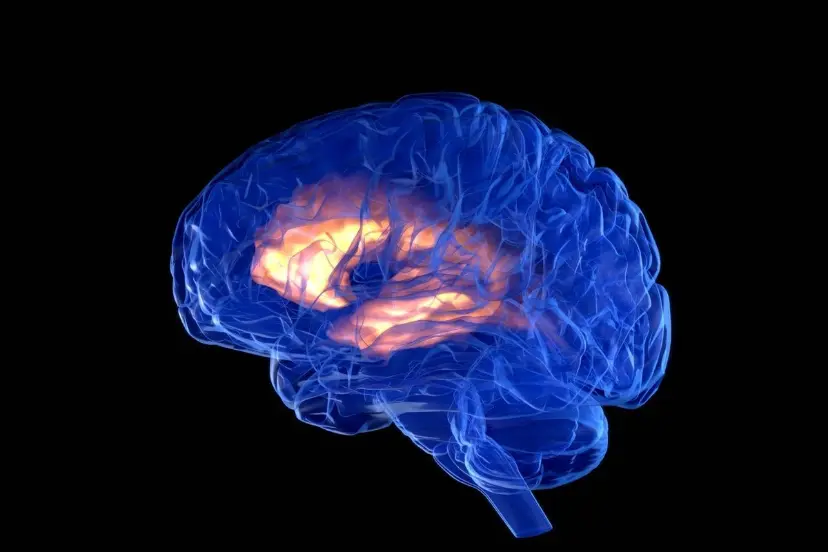
China's Brainco Develops Smart Prosthetics To Help People With Disabilities


At the company's exhibition, a person with an amputated hand demonstrated an artificial arm by playing the piano before removing the device, which can be attached without surgery. Another demonstration featured a person with a prosthetic leg walking and challenging visitors to identify which limb was artificial.
BrainCo's prosthetic technology uses non-invasive sensors to detect muscle and nerve signals from a user's residual limb. Artificial intelligence algorithms interpret those signals and translate the user's intended movements into commands that control the prosthetic hand. The system is designed to support tasks requiring greater precision than conventional prosthetics can often provide.
The company is also exploring technology beyond artificial limbs. One device demonstrated at the exhibition delivers low-intensity electrical currents to the forehead, with its developers suggesting that it may promote relaxation. However, the effectiveness of such a device should not be treated as established without adequate independent scientific evidence.
These developments form part of the broader field of brain-computer interfaces (BCIs), which connect signals from the brain or nervous system to external devices. Researchers are exploring how the technology could help people with severe disabilities communicate, control computers and operate assistive equipment.
One of the best-known companies in this field is Neuralink, founded by Elon Musk in 2016. It is developing implantable brain-computer interfaces intended to allow people with severe paralysis to control computers and other digital devices using neural signals. Unlike Neuralink's implanted systems, BrainCo's showcased prosthetic technology is designed to operate without brain surgery, using signals detected through sensors on the body.
Despite their potential, brain-computer interfaces and advanced prosthetics face significant challenges, including affordability, long-term safety, reliability, clinical validation and the protection of sensitive neural data. Devices that claim to affect brain function also require rigorous testing to establish their benefits and possible risks.

Legal Disclaimer:
MENAFN provides the
information “as is” without warranty of any kind. We do not accept
any responsibility or liability for the accuracy, content, images,
videos, licenses, completeness, legality, or reliability of the information
contained in this article. If you have any complaints or copyright
issues related to this article, kindly contact the provider above.


Comments
No comment