


SpaceX Sends New Supplies, Scientific Experiments to Space Station


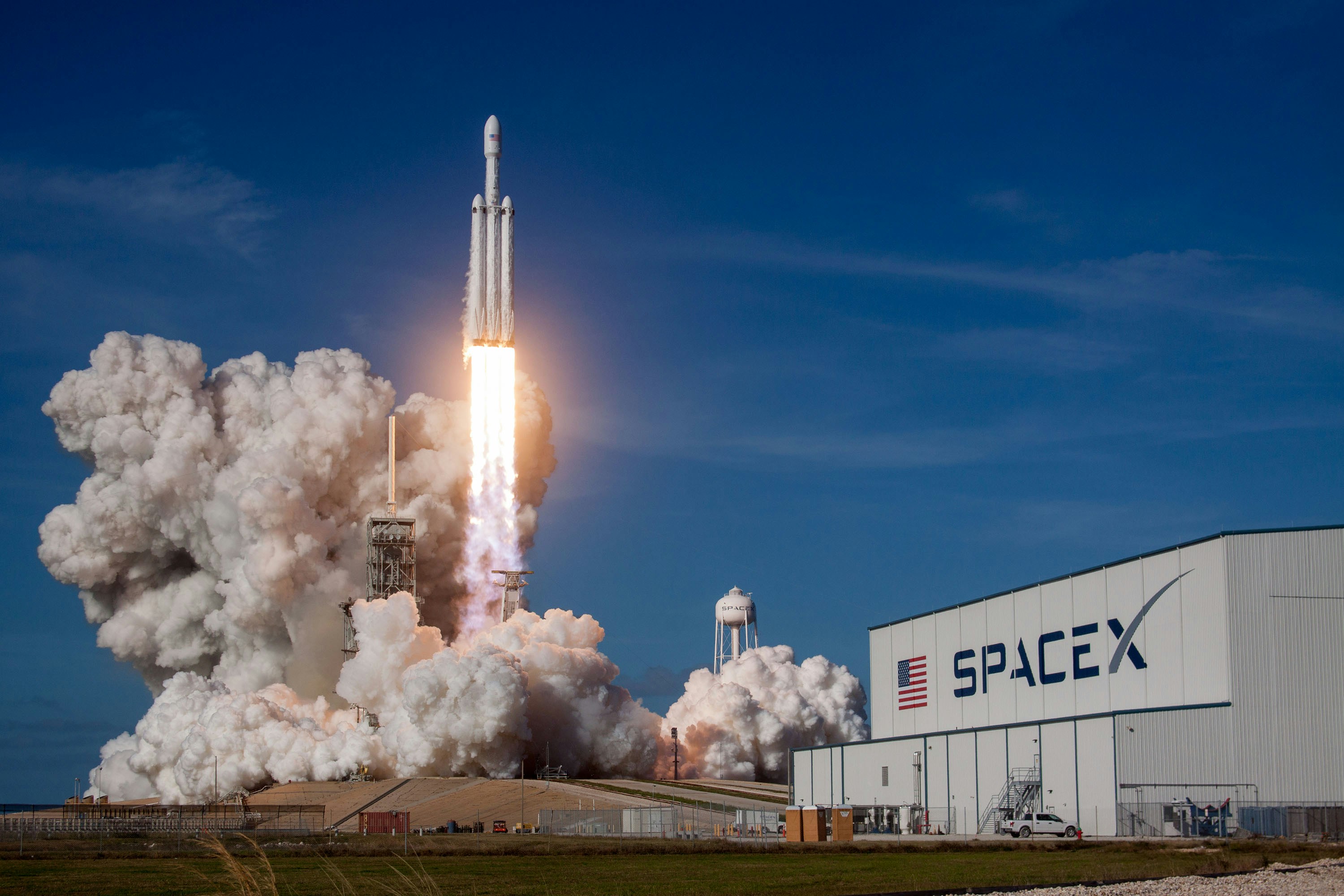
(MENAFN) SpaceX sent its 35th commercial cargo delivery mission to the International Space Station (ISS) into orbit on Tuesday morning, transporting scientific experiments, essential equipment and supplies needed to support operations aboard the orbital laboratory.
The Dragon cargo spacecraft carried more than 6,300 pounds (2,860 kilograms) of material and lifted off atop a Falcon 9 rocket from Space Launch Complex 40 at Cape Canaveral Space Force Station in Florida.
Liftoff took place at 6.34 am local time (1034GMT). The launch marked the Dragon vehicle’s fourth journey into orbit and the eighth flight of the rocket’s first-stage booster.
Solar Power And Medical Experiments
Among the cargo are the final two deployable solar arrays intended to increase the station’s electricity supply, supporting its ongoing activities, future scientific work and eventual controlled descent from orbit. Crew members are expected to install the arrays during spacewalks scheduled for late autumn.
The spacecraft is also transporting research projects exploring the production of artificial retinas in microgravity, with the aim of advancing vision-restoration treatments on Earth. Other experiments include three-dimensional heart tissue models and brain organoids that researchers will use to assess possible treatments for neurodegenerative diseases such as Alzheimer’s and Parkinson’s.
The Dragon capsule is scheduled to dock autonomously with the station’s Harmony module at approximately 11 am local time (1500GMT) on Thursday.
The delivery arrives as the International Space Station approaches the final stage of its operational lifespan. The orbiting facility is currently expected to end its mission at the close of 2030.
The Dragon cargo spacecraft carried more than 6,300 pounds (2,860 kilograms) of material and lifted off atop a Falcon 9 rocket from Space Launch Complex 40 at Cape Canaveral Space Force Station in Florida.
Liftoff took place at 6.34 am local time (1034GMT). The launch marked the Dragon vehicle’s fourth journey into orbit and the eighth flight of the rocket’s first-stage booster.
Solar Power And Medical Experiments
Among the cargo are the final two deployable solar arrays intended to increase the station’s electricity supply, supporting its ongoing activities, future scientific work and eventual controlled descent from orbit. Crew members are expected to install the arrays during spacewalks scheduled for late autumn.
The spacecraft is also transporting research projects exploring the production of artificial retinas in microgravity, with the aim of advancing vision-restoration treatments on Earth. Other experiments include three-dimensional heart tissue models and brain organoids that researchers will use to assess possible treatments for neurodegenerative diseases such as Alzheimer’s and Parkinson’s.
The Dragon capsule is scheduled to dock autonomously with the station’s Harmony module at approximately 11 am local time (1500GMT) on Thursday.
The delivery arrives as the International Space Station approaches the final stage of its operational lifespan. The orbiting facility is currently expected to end its mission at the close of 2030.

Legal Disclaimer:
MENAFN provides the
information “as is” without warranty of any kind. We do not accept
any responsibility or liability for the accuracy, content, images,
videos, licenses, completeness, legality, or reliability of the information
contained in this article. If you have any complaints or copyright
issues related to this article, kindly contact the provider above.


Comments
No comment