


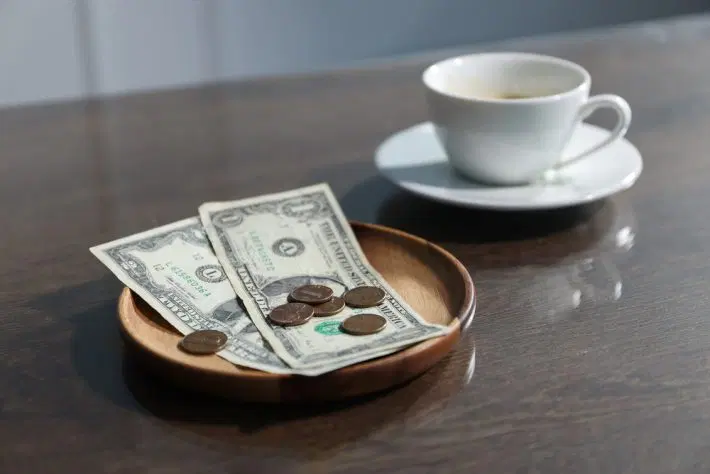
4 Places You're Being Asked To Tip Now - But Do You Really Have To?


If this sounds familiar, you're not alone. According to a November 2023 Pew Research Center survey, 72% of Americans said tipping was expected in more places than five years earlier, while only 34% found it extremely or very easy to know when a tip was expected. For consumers watching their spending, that uncertainty can translate into extra charges that add up throughout the year.
The expansion of digital payment systems has made tipping etiquette more confusing, particularly for consumers trying to manage everyday expenses. But here's something worth remembering: Just because a payment screen asks for a tip doesn't mean you're obligated to leave one. Here are four places we're all being asked to tip, but where you may not necessarily need to.
1. Coffee Shops Where You Order at the CounterCoffee shops have become one of the most recognizable examples of modern tipping pressure, particularly when digital checkout screens suggest percentages traditionally associated with full-service restaurants. According to Pew Research Center, only 25% of Americans who purchase coffee or other beverages at coffee shops say they always or often leave a tip. That's considerably lower than the 92% who regularly tip at sit-down restaurants, suggesting most customers distinguish between counter service and traditional table service.
If a barista prepares a complicated custom drink, remembers your regular order, or provides exceptional service, leaving a dollar or two can be a thoughtful gesture. However, when you're simply purchasing a bottled beverage or picking up a basic coffee, declining the suggested tip is generally considered acceptable under common tipping etiquette.
2. Fast-Casual Restaurants Where You Serve YourselfImagine visiting a restaurant where you stand in line, place your order, carry your own food to a table, and clear your dishes afterward. Despite doing much of the work yourself, the payment terminal still suggests adding 20% to your bill. Only 12% of Americans who eat at fast-casual restaurants without servers say they always or often tip, making this one of the least common tipping situations surveyed.
While employees may work hard preparing meals and maintaining the restaurant, counter-service tipping generally remains optional rather than an established obligation comparable to tipping a restaurant server. If your $30 lunch includes a suggested 20% tip, choosing not to add another $6 doesn't automatically mean you're violating accepted tipping etiquette.
3. Retail Stores and Checkout CountersSome retail businesses now use payment systems that include tipping prompts, even when customers are purchasing ordinary merchandise rather than receiving a traditional personal service. The spread of digital payment platforms and point-of-sale tablets has made it easier for businesses to present suggested gratuities during checkout. That means customers may encounter a tip screen when buying baked goods, specialty foods, or other products that previously involved nothing more than paying the listed price.
In most ordinary retail transactions, there's no longstanding expectation that customers should tip someone simply for ringing up a purchase or handing over merchandise. Unless an employee provides a special service you personally want to recognize, it's reasonable to select“No Tip” without feeling obligated to spend more.
4. Self-Service Kiosks Where You Do the WorkPerhaps the strangest development in modern tipping etiquette is the appearance of gratuity requests at certain self-service kiosks. These machines may ask customers to leave a tip even when they've selected their own items, entered their orders, or completed most of the transaction without employee assistance. A CBS News report examined this practice and raised questions about where gratuities collected through automated checkout systems ultimately go.
Under U.S. Department of Labor rules, employers generally cannot keep tips that belong to employees, and managers and supervisors are also restricted from taking employees' tips. However, that doesn't tell customers exactly how a particular business distributes gratuities collected through self-service kiosks. If a machine requests a tip when you've received little or no personal assistance, it's reasonable to decline or ask how the money is distributed.
At the end of the day, if nobody provided a direct service and the screen doesn't explain who benefits, there's no customary obligation to add a voluntary tip simply because the machine presents the option.
Why Those Suggested Percentages Feel So Difficult to RefuseThe uncomfortable part of modern tipping often has less to do with money than with the social pressure created at checkout. When a cashier turns a tablet toward you, selecting a zero-dollar tip can feel like publicly announcing that you don't appreciate their work. Pew's research on tipping culture found that 40% of Americans oppose businesses suggesting tip amounts on bills or checkout screens, compared with 24% who support the practice.
Among adults ages 65 and older, 47% expressed opposition to suggested tips, making older consumers particularly skeptical of the practice. Remember that the percentages displayed on a payment terminal are suggestions created through the business's checkout process, not a universal standard that customers must follow.
Small Tips Can Add Up to a Surprisingly Large ExpenseFor consumers living on fixed incomes or trying to reduce unnecessary spending, frequent tipping prompts can quietly increase everyday costs. Consider someone who buys a $5 coffee three times weekly and adds a 20% tip every time because the checkout screen suggests it. That seemingly small dollar adds up to $156 annually, without including tips at sandwich shops, bakeries, or other counter-service businesses.
If the same person also adds $3 in optional tips twice a week at fast-casual restaurants, that's another $312 per year, bringing the combined total to $468. Those examples don't mean people should stop rewarding excellent service, but they illustrate why thoughtful tipping etiquette matters when every dollar has a purpose.
One way to avoid making decisions under pressure is to establish a personal tipping budget before heading out. For example, someone who sets aside $10 monthly for optional counter-service tips has a clear $120 annual limit rather than automatically accepting every suggested percentage. That doesn't replace tips for traditional services such as restaurant table service or food delivery, but it can help prevent impulse spending at checkout.
Don't Confuse Optional Tips With Mandatory Service ChargesOne important distinction consumers should understand is the difference between a voluntary tip and a required service charge. According to the Internal Revenue Service, tips are payments customers voluntarily choose to make, while mandatory service charges are treated differently for tax purposes.
A restaurant might add an automatic gratuity or service fee to the bill, but that doesn't necessarily mean the money is distributed to employees in the same way as voluntary tips. Before adding another gratuity, review the receipt for existing charges and ask the business how any service fee is handled if the explanation isn't clear.
You Can Be Generous Without Tipping EverywhereGood tipping etiquette doesn't require accepting every suggested percentage that appears on a payment screen. The Pew Research Center found that 49% of Americans believe whether tipping is a choice or obligation depends on the situation, reflecting how much expectations vary across different services. Traditional tipped services, including sit-down dining, personal care, and food delivery, remain different from ordinary retail purchases or self-service transactions. A practical approach is to budget for tips where they're customary, reward exceptional service when you choose, and avoid letting checkout screens make financial decisions for you.
Have you noticed more businesses asking for tips lately, and where do you personally draw the line between rewarding good service and paying extra for something that should already be included? Share your thoughts in the comments.

Legal Disclaimer:
MENAFN provides the
information “as is” without warranty of any kind. We do not accept
any responsibility or liability for the accuracy, content, images,
videos, licenses, completeness, legality, or reliability of the information
contained in this article. If you have any complaints or copyright
issues related to this article, kindly contact the provider above.


Comments
No comment