


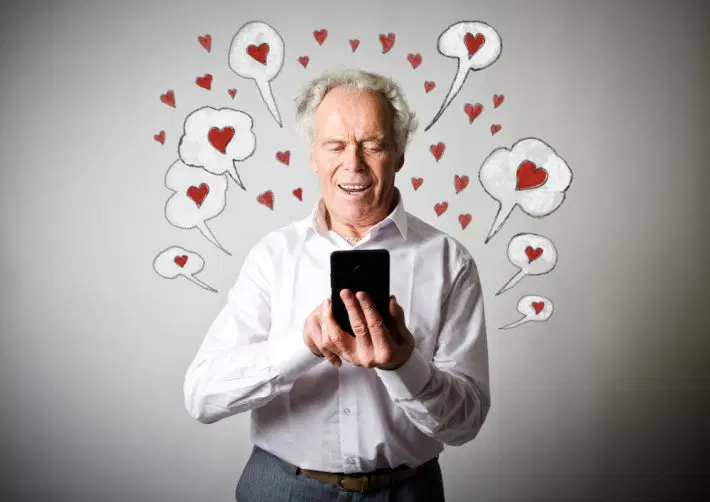
You Think You're Falling In Love - The Person On The Other End Wants Your Savings


Then comes the request for money.
Maybe they need help paying a medical bill, buying a plane ticket, or accessing an investment account. By the time you realize something isn't right, thousands of dollars could already be missing from your savings.
This is how romance scams can turn an emotional connection into financial devastation. According to the FBI's 2025 Internet Crime Report, reported losses involving confidence and romance scams exceeded $900 million in 2025. But how do they trick so many people? Here is what you need to know.
The Relationship Often Moves Surprisingly FastOne of the earliest warning signs of romance scams is how quickly a stranger begins expressing deep affection. According to the Federal Trade Commission (FTC), scammers frequently contact people through dating websites, social media, and messaging platforms before developing seemingly intimate relationships. They may send affectionate messages several times a day, talk about marriage, or describe you as the person they've been waiting their entire life to meet. This attention can create a powerful emotional attachment before you've had an opportunity to verify who you're actually speaking with. A genuine relationship can certainly develop quickly, but declarations of love from someone you've never met deserve extra caution when financial conversations follow.
There's Always a Reason They Can't Meet YouSomeone you've been talking to for months promises to visit, but every planned meeting falls apart at the last minute. The FBI warns that romance scammers frequently claim to work overseas, serve in the military, or have jobs that prevent them from meeting in person. They might say they're stationed on an oil rig, traveling for business, or dealing with an unexpected family emergency. Some even use stolen photographs or fabricated identities to make their stories appear convincing. If someone repeatedly avoids meeting while asking you to trust them with personal information or money, consider that a serious warning sign rather than another unfortunate coincidence.
A Financial Emergency Suddenly Changes EverythingAfter weeks or months of building trust, the person you've grown attached to suddenly experiences a financial crisis. According to the FTC, common stories involve medical emergencies, travel expenses, or unexpected problems that supposedly require immediate financial assistance. Imagine someone claiming they need $2,500 for emergency surgery but promising to repay you as soon as their bank account becomes accessible. Once you send the money, another emergency may appear, followed by increasingly urgent requests for additional payments. These romance scams often succeed because the victim believes they're helping someone they love rather than handing money to a criminal.
They May Encourage You to Make an InvestmentNot every romance scam begins with a request for emergency financial assistance. The Commodity Futures Trading Commission (CFTC) warns that some criminals spend weeks building romantic relationships before encouraging their targets to invest in cryptocurrency or foreign currency trading. The scammer might claim to have earned substantial profits and offer to help you grow your retirement savings using the same strategy. A professional-looking investment website may display impressive account balances, but those numbers can be completely fabricated. Once you've deposited money, the supposed investment platform may demand additional fees or taxes before allowing withdrawals, leaving you with losses instead of profits.
They Want Your Conversations Kept SecretAnother troubling sign appears when an online romantic partner discourages you from discussing the relationship with friends or family. Scammers may attempt to isolate their targets from people who could recognize suspicious behavior. They might insist that your adult children won't understand the relationship or claim that concerned friends are simply jealous. This emotional pressure can make someone increasingly dependent on the scammer's attention and approval. If a new romantic interest becomes angry when you seek an outside opinion, that reaction deserves attention before you make any financial decisions.
The Payment Method Is Another Major Warning SignWhen someone you've never met requests money, the way they want to receive it can reveal a great deal about their intentions. The FTC warns consumers not to send money to online love interests through cryptocurrency, gift cards, wire transfers, or payment applications. These payment methods can make recovering stolen funds difficult, particularly when money is transferred quickly or sent overseas. A scammer may claim that traditional banking isn't available or that purchasing gift cards is the only way to resolve an urgent problem. Regardless of the explanation, never send money or provide financial account access to someone whose identity and intentions you cannot independently verify.
Fake Photos and AI Can Make the Deception Harder to SpotYou might assume that seeing someone's photograph or hearing their voice proves they're genuine, but modern technology makes deception increasingly sophisticated. Criminals use artificial intelligence to create convincing fake profiles, personalized conversations, and manipulated audio or video. Scammers can also steal photographs from legitimate social media accounts and present them as their own. It is recommended that you conduct a reverse image search to see whether a profile picture appears under another name or in suspicious circumstances. While an image search won't catch every scam, it can reveal inconsistencies that deserve further investigation before a relationship becomes financially entangled.
What to Do if You've Already Sent MoneyDiscovering that someone you trusted may have been manipulating you can be emotionally devastating, but acting quickly may help limit the financial damage. Contact your bank, credit card company, or payment provider immediately if you've transferred money to a suspected scammer. Explain what happened, ask whether the transaction can be reversed, and secure any accounts or passwords that may have been compromised.
Save relevant messages and payment records, stop communicating with the suspected scammer, and report the incident through href="" target="_blank" ft and the FBI's Internet Crime Complaint Center. Be especially cautious of anyone promising to recover your stolen money for an upfront fee because recovery scams can target people who have already suffered financial losses.
Real Love Shouldn't Cost You Your Financial SecurityThe most dangerous aspect of romance scams is that criminals exploit trust, affection, and the natural desire for companionship. According to the FTC, scammers deliberately develop relationships before introducing financial requests, making their intentions harder to recognize. Anyone can become a target, regardless of age, education, or financial experience, and embarrassment should never prevent someone from seeking help. Protecting yourself means verifying identities, refusing requests for money, and maintaining open conversations with trusted friends or family members when a new relationship develops online.
Have you or someone you know encountered a suspicious online romance, and what warning sign do you think people are most likely to overlook? Share your thoughts in the comments.

Legal Disclaimer:
MENAFN provides the
information “as is” without warranty of any kind. We do not accept
any responsibility or liability for the accuracy, content, images,
videos, licenses, completeness, legality, or reliability of the information
contained in this article. If you have any complaints or copyright
issues related to this article, kindly contact the provider above.


Comments
No comment