


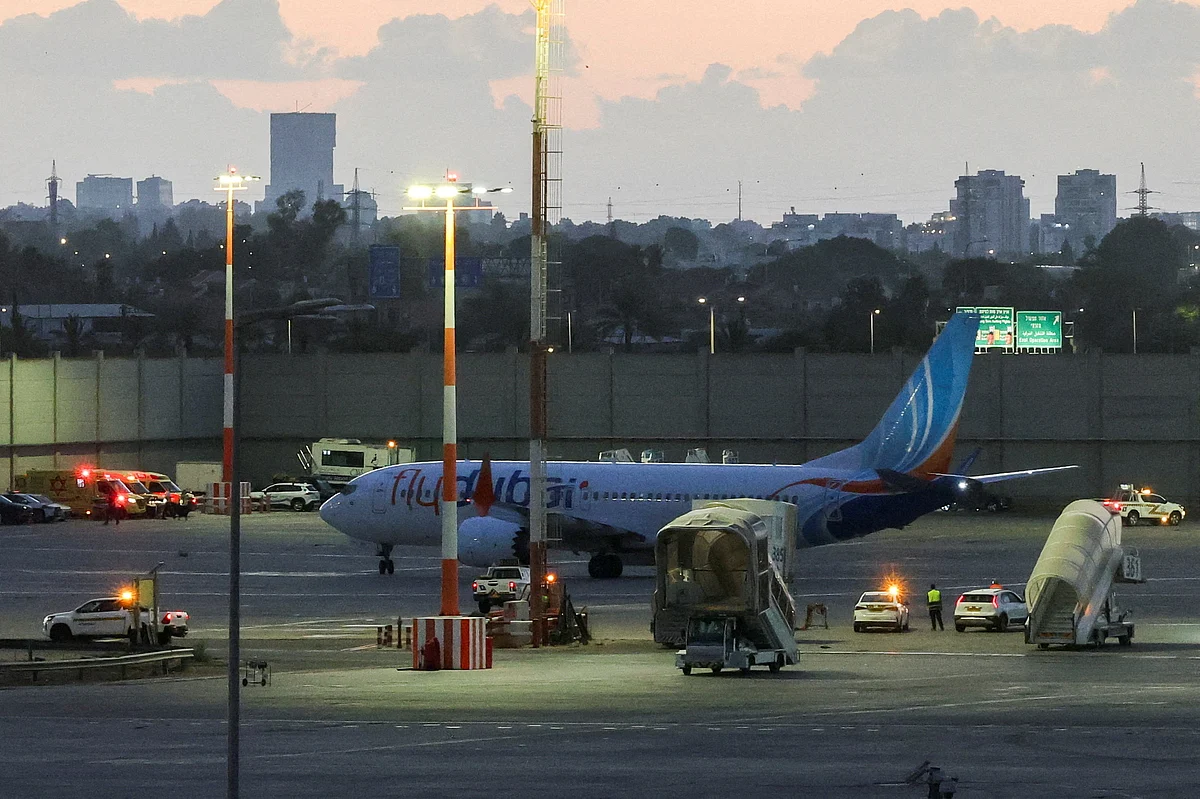
Flydubai FZ1073: UAE Authorities Prioritise Facts Over Speed During Crises: Crisis Communication


The incident, which unfolded on September 30 when a co-pilot attacked the captain with a crash axe mid-flight, triggered an immediate response from the General Civil Aviation Authority (GCAA). Within hours, the authority acknowledged the event and cautioned against speculation, but withheld details that were still unverified.
Recommended For YouKevin Abdulrahman, principal of Executive Authority, said this restraint is consistent with international best practice.“A blank in the facts is not an invitation to fill it with words,” he said.“The first statement does not need to answer every question. It needs to establish that the institution is present, that the situation is being handled.”
Stay up to date with the latest news. Follow KT on WhatsApp Channels.
In its initial statement, the GCAA confirmed that the aircraft had diverted to Tabuk, crew members had been injured, and an investigation was under way. It also declined to comment on claims circulating at the time.
Flydubai CEO Ghaith Al Ghaith followed with a statement thanking the captain and passengers who assisted during the“challenging situation”
Hervé Verhoosel, former UN Director of Communications and crisis communication expert, described the airline's first statement - issued roughly 45 minutes after landing - as a“reasonable response time” for a serious incident.“Crucially, it confirmed that the aircraft had landed safely and that passengers were safe, without speculating about the causes,” he said.
Speed and accuracy serve different purposesBoth experts stressed that speed and accuracy serve different purposes.“Speed establishes presence. Accuracy protects credibility,” Abdulrahman said.“The fastest statement is useless if the next statement has to undo it.”
The strategy of incremental disclosure became evident in subsequent days. On October 3, UAE Attorney-General Dr Hamad Saif Al Shamsi announced that investigators had established the co-pilot attempted to carry out a“terrorist act,” providing the most substantive update to date while noting inquiries continued.
Verhoosel noted that caution is necessary, but“prolonged silence can leave an information vacuum.” The approach adopted, he said, balanced investigative integrity with public accountability.
According to Abdulrahman, one of the most useful communication lessons from this case is that institutions do not have to release everything at once in order to communicate effectively.“In a high-attention situation there will be headlines, leaks, social media posts, commentary and competing accounts moving at different speeds,” he said. "An institution should not try to compete with all of them. It can become the source whose information remains dependable as the picture develops. That is what makes the communication sequence here useful to study.”
He commended the UAE for releasing information progressively as more could be established.“They did not empty the file on day one,” he said.“They opened it one verified page at a time.”
Last week, Dr Al Shamsi confirmed that the 29-year-old Omani co-pilot had planned to hijack the aircraft and carry out a "suicide attack". Investigations into the incident are ongoing.
ALSO READ- What really happened aboard flydubai FZ1073 during attempted terror attack Flydubai reserves further comment as probe into FZ1073 'terrorist act' continues Flydubai incident: GCAA says it will not comment on claims as investigation continues

Legal Disclaimer:
MENAFN provides the
information “as is” without warranty of any kind. We do not accept
any responsibility or liability for the accuracy, content, images,
videos, licenses, completeness, legality, or reliability of the information
contained in this article. If you have any complaints or copyright
issues related to this article, kindly contact the provider above.


Comments
No comment