


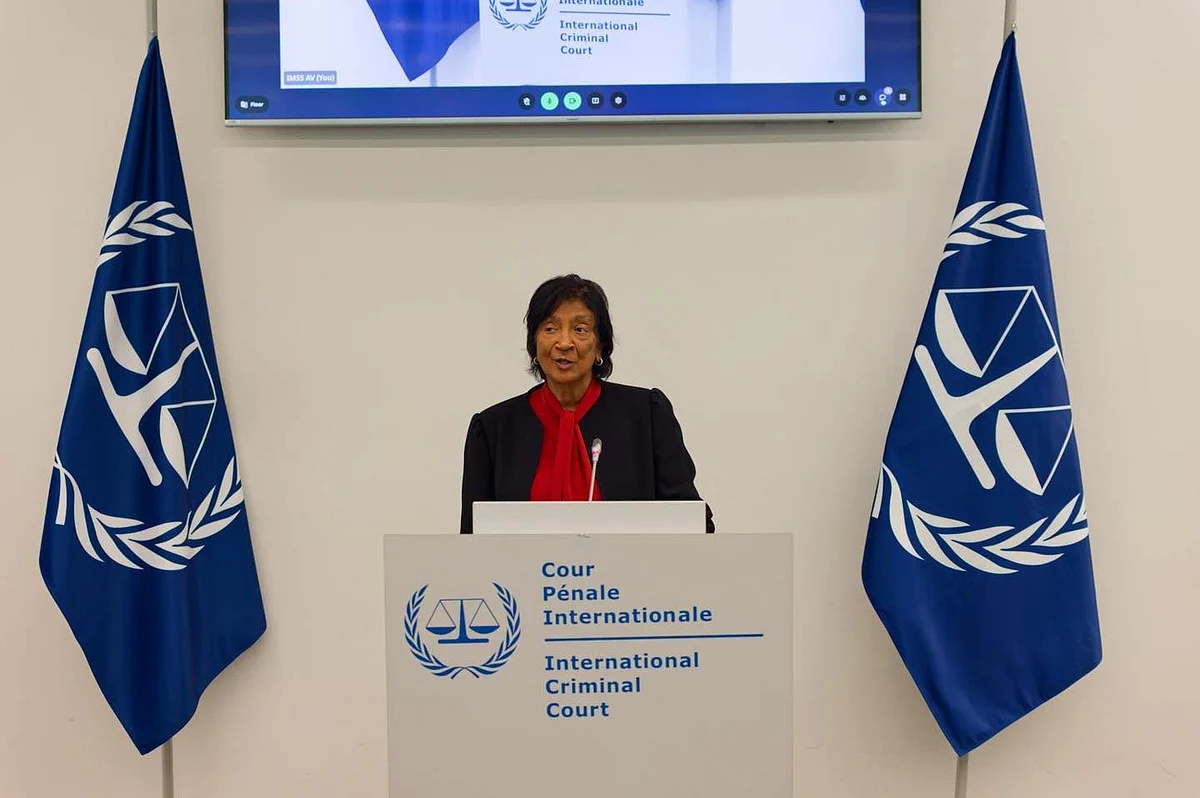
Explained: What Did Nobel Peace Prize Winner Navi Pillay's UN Probe Reveal About Gaza?


The South African jurist chaired the UN Independent International Commission of Inquiry on the Occupied Palestinian Territory, including East Jerusalem, and Israel, from 2021 to 2025.
Recommended For YouDuring that period, the commission investigated the October 7, 2023 attacks by Hamas and other Palestinian armed groups, as well as Israel's subsequent military operations in Gaza.
Stay up to date with the latest news. Follow KT on WhatsApp Channels.
In September 2025, investigators concluded that Israeli authorities and security forces had committed four of the five acts of genocide defined under international law. Israel rejected the findings, calling the report false and distorted.
But what exactly did the investigation uncover, how did it reach its conclusions, and what does it mean for international accountability?
What were the main findings?The commission's September 2025 report concluded that Israeli authorities and security forces had committed four acts of genocide under the 1948 Genocide Convention.
These included killing Palestinians, causing serious bodily or mental harm, deliberately imposing living conditions intended to bring about the physical destruction of the population, and taking measures intended to prevent births.
Investigators examined military operations, restrictions on humanitarian assistance, destruction of civilian infrastructure and the treatment of Palestinians throughout the war.
The commission concluded that these actions were not isolated incidents but formed part of a wider pattern of conduct. It also found that Israeli authorities had failed to prevent and punish genocide.
How did the commission establish intent?One of the most important elements of the investigation was determining whether there was an intention to destroy Palestinians in Gaza as a group. Under the Genocide Convention, widespread killings alone are not enough to establish genocide. There must also be evidence of an intent to destroy a protected group, in whole or in part.
To assess this, investigators reviewed statements made by Israeli political and military leaders alongside the actions of Israeli forces. The commission concluded that the statements and the pattern of conduct demonstrated genocidal intent.
"It is clear that there is an intent to destroy the Palestinians in Gaza through acts that meet the criteria set forth in the Genocide Convention," Pillay said, according to the UN Human Rights Office. She added that responsibility for the alleged crimes extended to the highest levels of the Israeli authorities.
Which Israeli leaders were named?The commission identified Israeli President Isaac Herzog, Prime Minister Benjamin Netanyahu and former defence minister Yoav Gallant in its findings concerning incitement to genocide.
Investigators examined statements made by the officials during the war and concluded that they had incited the commission of genocide.
The report also accused Israeli authorities of failing to take action to punish such incitement. Israel has repeatedly denied committing genocide, maintaining that its military campaign was directed against Hamas following the October 7 attacks.
What did the commission find about October 7?The investigation also examined the attacks carried out by Hamas and other Palestinian armed groups in southern Israel on October 7, 2023.
In June 2024, the commission concluded that members of Hamas and other armed groups had committed war crimes, including deliberately attacking civilians, killing civilians, mistreating people and taking hostages. Investigators also documented evidence of sexual violence associated with the attacks.
In a separate examination of Israel's military response in Gaza, the commission concluded that Israeli authorities were responsible for war crimes and crimes against humanity. Its findings included starvation as a method of warfare, forcible transfer, attacks against civilians and collective punishment.
The commission stressed that violations committed by one party could not justify violations by another, and that all sides were required to respect international humanitarian law.
Is the genocide finding a court ruling?No. Although the commission concluded that Israel was responsible for genocide in Gaza, its findings do not constitute a binding court judgment.
The commission was established by the UN Human Rights Council to investigate alleged violations of international law, collect evidence and identify those potentially responsible.
It cannot prosecute individuals or issue criminal sentences. However, its findings can contribute to international investigations and legal proceedings.
In September 2025, Pillay said the commission had shared thousands of pieces of information with the prosecutor of the International Criminal Court.
Separately, the International Court of Justice has been examining a case brought by South Africa accusing Israel of violating the Genocide Convention.
The International Criminal Court has also issued arrest warrants for Netanyahu and Gallant over alleged war crimes and crimes against humanity. These proceedings are separate from the commission's investigation, and its conclusions do not determine the courts' decisions.
Why does the investigation matter now?Pillay's Nobel Peace Prize has brought renewed attention to the commission's findings and the wider question of accountability for crimes committed during the Gaza war.
The Norwegian Nobel Committee awarded her the prize for her efforts to promote peace and international law, recognising decades of work involving war crimes, crimes against humanity and genocide.
Her investigation into Gaza became one of the most closely watched chapters of that career, examining not only the conduct of armed groups but also the responsibility of political and military leaders.
While the commission's conclusions are not legally binding, its findings remain part of the international record of alleged violations committed during the conflict.
The central question now is how that evidence may be used in efforts to establish accountability through international legal processes.
ALSO READ- Nobel peace laureate Navi Pillay calls US sanctions on ICC 'unacceptable' UN urges foreign investigators' access to Gaza as hundreds of bodies pulled from rubble UN demands Israel prevent Gaza genocide, points to collective punishment, ethnic cleansing Who is Navanetham 'Navi' Pillay, winner of Nobel Peace Prize 2026?

Legal Disclaimer:
MENAFN provides the
information “as is” without warranty of any kind. We do not accept
any responsibility or liability for the accuracy, content, images,
videos, licenses, completeness, legality, or reliability of the information
contained in this article. If you have any complaints or copyright
issues related to this article, kindly contact the provider above.


Comments
No comment