


Saudi Arabia's Warning System Fell Silent Before Deadly Riyadh Strikes: What We Know


The attacks have killed at least 18 people and wounded more than 300, according to the report.
Saudi authorities have not explained why public alerts were absent ahead of four attacks on Riyadh over the past week.
The suspension of warnings comes as the kingdom faces mounting security threats from the Iran-aligned Houthis while seeking to maintain an image of stability.
Why did Saudi Arabia stop issuing public alerts?Saudi Arabia launched a national early-warning system in May that sends threat notifications to mobile phones and social media accounts.
However, the system stopped issuing public security alerts despite rising Houthi attacks in the days leading up to last week's strikes.
The last public warning before the airport attacks was issued on September 29 for the southern province of Najran, according to posts on the Saudi civil defence authority's X account.
Two officials familiar with the matter told Reuters that a Western government had sought an explanation from Saudi authorities over the suspension of the alerts.
They were reportedly told that the warnings were disruptive and that some residents had complained about being woken up at night.
Air defence shortages add to security concernsSaudi Arabia's ability to defend its vast territory and critical infrastructure is another concern, according to Ali Shihabi, a Saudi analyst close to the government.
“In Saudi Arabia you have too much to protect. It's a huge country with airports, pipelines and oil facilities,” Shihabi told Reuters.
He said the kingdom did not have enough Patriot air defence systems, interceptors and missile batteries to protect all potential targets simultaneously.
The challenge is particularly significant for Saudi Arabia, which must secure strategic infrastructure, including airports and energy facilities, against incoming missiles and other aerial threats.
Fresh alerts issued after airport attacksSaudi Arabia's civil defence authority issued fresh warnings on Monday about potential threats in Riyadh and southern cities.
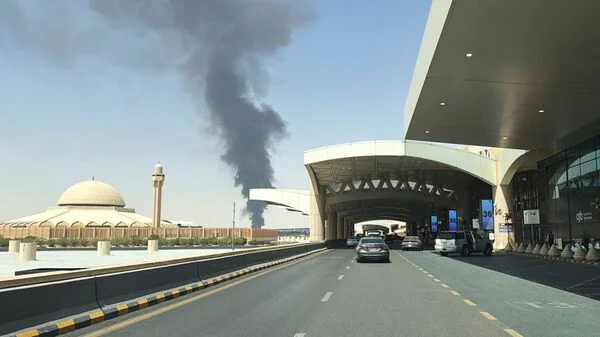
Separately, reports said a Houthi strike hit a passenger terminal at Riyadh's international airport, a day after an attack claimed by the Yemeni group killed 13 people, including an Indian national.
Also Read | Riyadh airport shut until Oct 17: Why Houthi missiles are getting through?Saudi air defences also intercepted a cruise missile near the airport, according to reports, marking another security incident involving the facility within a week.
Air India cancels flights to Saudi Arabia until October 17Amid the evolving security situation, Air India has cancelled all flights to and from Riyadh, Dammam and Jeddah until October 17, 2026.
The airline said it was closely monitoring developments in the region and assessing when safe operations could resume.
Affected passengers would be offered a full refund on cancellation, it added.
“We are closely monitoring and assessing the developments in the region to resume safe operations. Affected guests are being offered a full refund on cancellation. At Air India, the safety and security of our passengers and crew remain the highest priority,” the airline said.

Legal Disclaimer:
MENAFN provides the
information “as is” without warranty of any kind. We do not accept
any responsibility or liability for the accuracy, content, images,
videos, licenses, completeness, legality, or reliability of the information
contained in this article. If you have any complaints or copyright
issues related to this article, kindly contact the provider above.


Comments
No comment