


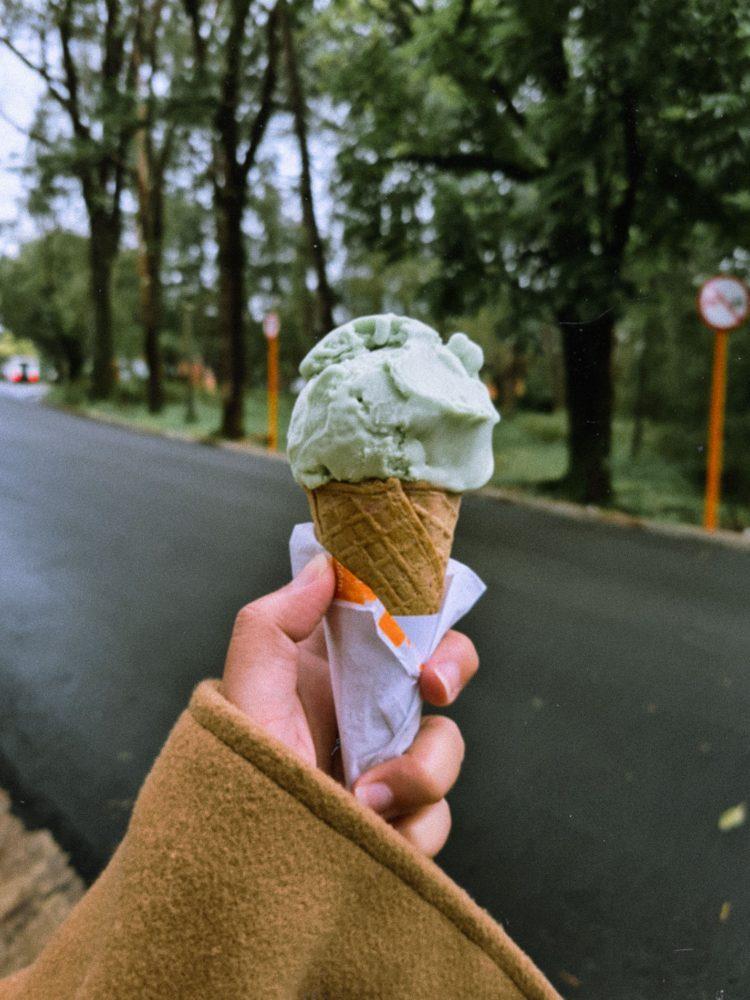
Why Does Ice Cream Sometimes Get Gritty After It's Been In The Freezer?


Few things are more disappointing than opening a container of ice cream expecting a creamy scoop and finding a gritty, crunchy, or sandy texture instead. It may seem as though the dessert has gone bad, especially if it was smooth when you first brought it home. However, several different changes can affect ice cream while it sits in the freezer. Temperature fluctuations can cause ice crystals to grow, while other ingredients can form crystals that feel like tiny grains of sand. Freezer burn can also damage the surface and affect the flavor. Understanding the difference can help you figure out what happened and how to keep your next container creamier for longer.
Is Gritty Ice Cream the Same as Freezer Burn?Not exactly. Freezer burn happens when moisture escapes from the surface of frozen food, and the exposed area becomes dehydrated. In ice cream, that damage may appear as dry, icy patches or a layer of frost, particularly around the edges or beneath the lid. The affected areas can taste stale or less creamy, but freezer burn does not automatically mean the food is unsafe. Grittiness, on the other hand, can come from crystals forming within the ice cream itself. The two problems may occur together, but freezer burn is not the only explanation for an unpleasant texture.
Ice Crystals Are a Common Reason Ice Cream Gets IcyIce cream contains water, and some of that water freezes into tiny ice crystals during production. When the dessert stays consistently frozen, those crystals generally remain small enough to preserve a smooth texture. However, if the ice cream warms slightly and then freezes again, some crystals can melt and reform into larger ones. Repeated temperature changes can make the texture noticeably icy or crunchy. This can happen when the freezer temperature fluctuates, the container sits out too long during serving, or the product softens during transport from the store. Keeping ice cream consistently frozen helps slow this process and protect its texture.
What Causes That Sandy Texture? Sometimes the problem is not ice at all. Ice cream can develop a sandy texture when lactose, the naturally occurring sugar in milk, forms crystals large enough to be felt on the tongue. These crystals do not melt as readily in your mouth as ice crystals, which can make the dessert feel grainy even after it begins to soften. Food scientists describe this as lactose crystallization, and it can develop during storage under certain conditions. Temperature fluctuations can contribute, but the composition of the ice cream and how it was manufactured also influence whether the problem develops. That means an ice cream can become gritty without obvious freezer burn or a thick layer of frost. Can Ice Cream Become Gritty Before You Open It?Yes. An unopened container is not guaranteed to retain its original texture indefinitely. Ice cream can experience temperature changes during transportation, warehouse storage, delivery, or its time in a store's freezer. If it softens and refreezes before you buy it, larger crystals may already have formed by the time you open the lid. The same is true of lactose crystallization, which can develop during storage even when the container remains sealed. When shopping, choose a container that feels firmly frozen and has no signs of leakage, damage, or excessive frost around the packaging. Once home, put it in the freezer promptly rather than leaving it on the counter while unpacking groceries.
How Long Should You Keep Ice Cream After Opening It?There is no universal number of days that guarantees opened ice cream will remain smooth. Its quality depends on the product, freezer temperature, packaging, and how often it is taken out to serve. As a practical guideline, try to enjoy an opened container within about two to four weeks for better texture and flavor, although properly stored ice cream may remain acceptable longer. This is a quality recommendation, not a strict food-safety deadline. Keep the freezer at 0°F (-18°C) or below, close the lid tightly, and return the container to the freezer immediately after serving. If the manufacturer provides specific storage guidance, follow that advice.
How to Keep Your Ice Cream Creamy for LongerThe easiest way to protect ice cream is to limit how often it warms up. Scoop what you need quickly, then return the container to the freezer instead of leaving it on the table while everyone finishes dessert. Store it toward the back of the freezer, where temperatures are generally more stable than near the door. Keep the lid tightly closed to reduce exposure to air, and avoid storing the container somewhere it is repeatedly bumped or exposed to warmer air. If you regularly have trouble finishing a large tub, dividing some of the ice cream into smaller, freezer-safe containers can reduce repeated warming of the main supply. These simple habits help slow ice-crystal growth and preserve the creamy texture you expect.
Should You Eat Ice Cream That Has Turned Gritty?A gritty texture alone does not necessarily mean ice cream is unsafe. If the product has stayed properly frozen and shows no signs of contamination, the problem may simply be a decline in quality. However, if it has melted substantially, been held at unsafe temperatures, or has an unusual odor or signs of contamination, it is best to discard it. The USDA advises discarding ice cream that has thawed during a freezer failure, even if it is later refrozen. Refreezing does not reliably restore its original quality or undo unsafe temperature exposure. When you are unsure how the ice cream was stored, it is safer not to eat it.
The Best Way to Avoid a Gritty ScoopIce cream can become gritty for several reasons, and freezer burn is only one possibility. Large ice crystals often point to temperature changes, while a persistent sandy sensation may indicate lactose crystals. Either issue can develop before or after the package is opened, so proper storage matters from the grocery store to your own freezer. Buy ice cream that is firmly frozen, keep it at a steady temperature, and avoid leaving it out longer than necessary. If you notice the texture changing repeatedly, check your freezer temperature and consider whether the container is warming up during serving. A little extra care can help prevent food waste and keep your favorite frozen dessert tasting the way it should.
What To Read NextWhat's Actually in Your Ice Cream? These 5 Brands Have Refreshingly Short Labels
Think You're Buying Ice Cream? Some Popular Brands Are Actually Frozen Dairy Dessert
7 Popular Frozen Desserts That Don't Meet the Legal Definition of Ice Cream
What's The Real Reason Ice Cream Is Always Near The Entrance
How 8 Ice Cream Brands Are Quietly Changing Their Use of Real Dairy

Legal Disclaimer:
MENAFN provides the
information “as is” without warranty of any kind. We do not accept
any responsibility or liability for the accuracy, content, images,
videos, licenses, completeness, legality, or reliability of the information
contained in this article. If you have any complaints or copyright
issues related to this article, kindly contact the provider above.


Comments
No comment