


What Kind Of Halloween Candy Is The Cheapest In 2026?


Buying Halloween candy in 2026 can put a surprising dent in your grocery budget, especially if your neighborhood attracts hundreds of trick-or-treaters. Chocolate favorites are still popular, but filling a candy bowl with miniature Snickers, Reese's, and Kit Kat bars isn't necessarily the most affordable option. Fortunately, shoppers have several less expensive alternatives that can stretch their Halloween budgets considerably further.
According to the National Retail Federation, Americans are expected to spend $4.1 billion on Halloween candy in 2026, with 96% of Halloween shoppers planning to purchase sweets. But which type of candy actually gives you the most treats for your money? We compared advertised October 2026 prices for several popular candy categories, and the results show that mini lollipops and large mixed-candy assortments can cost just 3 to 4 cents per piece, considerably less than many chocolate varieties.
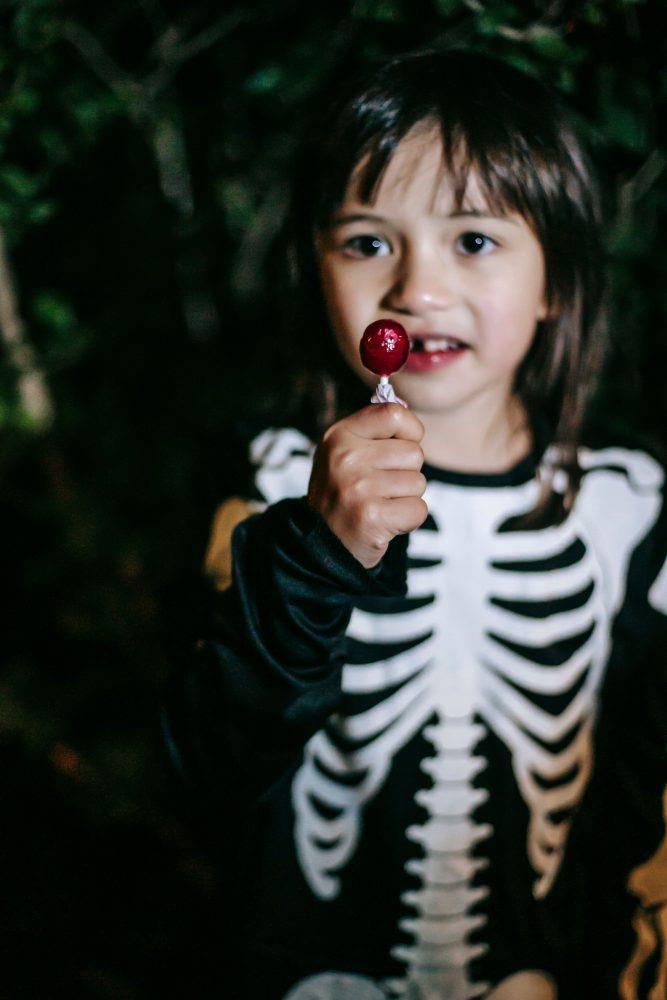
1. Mini Lollipops Are Among the Cheapest Halloween CandiesIf your goal is to hand out the largest number of individually wrapped treats for the least money, mini lollipops deserve serious consideration. Walmart's Halloween candy listings included a 450-count bag of Charms Mini Lollipops for $14.86, bringing the price to approximately 3.3 cents per lollipop. At that price, a household expecting 200 trick-or-treaters could distribute one lollipop per child for about $6.60 worth of candy, although the full bag requires a larger upfront purchase. The individually wrapped pieces also make distribution easier than portioning loose candy into separate bags. However, the CDC warns that hard and round candies can pose choking hazards for young children, so families expecting very young visitors should consider safer alternatives.
2. Large Mixed-Candy Bags Can Cost Less Than 4 Cents Per PieceBulk Halloween assortments can deliver impressive savings when you're willing to trade premium brands for a greater number of smaller treats. Walmart advertised a Frankford Mega Mix XL bag containing more than 500 pieces for $19.87, which works out to approximately 4 cents per piece or less. That makes it considerably cheaper per treat than many chocolate assortments, although the pieces may be smaller and vary in type. These bags can be particularly useful for neighborhoods with heavy trick-or-treat traffic because one purchase provides enough candy for hundreds of visitors. Before buying, examine the assortment carefully to make sure the included candies are individually wrapped and appropriate for the children you're expecting.
3. Fruity Chews and Taffy Offer a Middle-Ground OptionFor shoppers who want something more substantial than a tiny hard candy, individually wrapped fruity chews can offer a reasonable compromise. Walmart listed a 135-piece Laffy Taffy Halloween assortment for $14.86, equivalent to approximately 11 cents per piece. That is more expensive than the cheapest mini lollipops, but still competitive with several popular chocolate assortments. Fruity chews also offer flavor variety without requiring shoppers to purchase multiple separate bags. Keep in mind that chewy and sticky candies can be inappropriate for very young children, and compare the net weight before assuming the larger piece count represents a better overall value.
4. Chocolate Variety Bags Generally Cost More Per TreatChocolate remains a Halloween staple, but the numbers show why it can be difficult to fill a large candy bowl on a tight budget. Walmart listed a 110-count assortment of Snickers, Twix, Milky Way, and 3 Musketeers for $14.86, or approximately 13.5 cents per piece. Another Hershey chocolate assortment containing 70 pieces was advertised for $11.94, making each piece approximately 17.1 cents. At those prices, handing out candy to 200 children would cost roughly $27 to $34 in chocolate alone, compared with about $6.60 in mini lollipops, based on the listed per-piece prices. Chocolate can still be worth buying if your household prefers it, but mixing a smaller chocolate assortment with less expensive candy may be a smarter strategy than purchasing chocolate exclusively.
5. Gummies and Fruit-Flavored Assortments Aren't Automatically CheaperNon-chocolate candy is often promoted as a budget-friendly alternative, but shoppers shouldn't assume every fruity assortment beats chocolate on price. Walmart's 120-piece Hershey fruit-flavored assortment was listed for $17.86, equivalent to approximately 14.9 cents per piece. That's actually more expensive per treat than the 110-count Mars chocolate assortment in our comparison. The lesson is that candy type alone doesn't determine affordability, because package size, brand, individual piece weight, and promotions all influence the final price. Shoppers should compare specific products rather than assuming gummies, fruit chews, or chocolate always occupy a particular price tier.
6. Candy Corn Is Cheap for Parties, but Less Practical for Trick-or-TreatersCandy corn can be an affordable seasonal option for Halloween parties, dessert decorating, and household candy dishes. Walmart's Halloween listings included an eight-ounce bag of Nerds Candy Corn for $2.68, although traditional candy corn may be available at different prices. The challenge is that most candy corn comes loose in bags rather than individually wrapped pieces suitable for handing out at the door. Buying separate treat bags adds expense and preparation time, potentially eliminating some of the savings. If you're hosting a party where guests can serve themselves, candy corn may be worth considering, but wrapped candy is usually the more convenient choice for neighborhood trick-or-treating.
7. The Cheapest Candy Depends on How Many Children You ExpectBefore purchasing Halloween candy, estimate how many trick-or-treaters usually visit your home and decide how many pieces each child will receive. For example, a household expecting 100 children and handing out two pieces each would need approximately 200 individually wrapped treats. Using the advertised mini-lollipop price of 3.3 cents per piece, those 200 treats represent about $6.60 of candy, although you would need to purchase the entire $14.86 bag. Using chocolate priced at 13.5 cents per piece would put the equivalent 200-treat cost closer to $27, assuming you purchase enough full bags. These calculations illustrate why the price per piece matters, but they also show that the cheapest option depends on the quantity you actually need and the package sizes available.
How to Find Better Halloween Candy Deals Before October 31Walmart, Target, warehouse clubs, and dollar stores may all have competitive Halloween candy prices, but don't assume any single retailer is automatically cheapest. The Federal Trade Commission recommends paying attention to unit prices because packages can contain different quantities even when their shelf prices appear similar. For Halloween candy, divide the bag price by the number of individually wrapped pieces to determine the cost per treat, then compare the price per ounce to understand how much candy you're actually getting. Also check digital coupons, loyalty discounts, and seasonal promotions, since those offers can change the rankings considerably. If you expect a busy Halloween night, buying enough candy ahead of time may help you avoid expensive last-minute purchases, but don't buy more than your household can reasonably use.
So, What Is the Cheapest Halloween Candy in 2026?Based on the advertised prices we compared, mini lollipops were the cheapest individually wrapped Halloween treats, costing approximately 3.3 cents each. Large assorted candy bags followed closely at about 4 cents per piece, while fruity chews and chocolate generally cost more in our selected examples. That doesn't mean lollipops are the best choice for every household, particularly when young children's safety, candy size, and individual preferences are considered. For shoppers balancing cost and variety, combining an inexpensive bulk assortment with a smaller bag of recognizable favorites may offer the best compromise. Ultimately, the smartest Halloween purchase is the one that gives you enough appropriate treats for your expected visitors without leaving you with an unnecessarily large grocery bill.
What Halloween candy are you buying this year, and have you found a better deal than 3 or 4 cents per piece? Share your favorite bargains in the comments!
What To Read NextHalloween Candy Is Already on Shelves - Is September Too Early to Buy It?
5 Grocery Items That Vanish Right Before Halloween Night
Get Ready For Halloween
The Chocolate Shortage That Could Spike Candy Prices Again
Halloween Candy Sold at TJ Maxx, Marshalls and HomeGoods Recalled Over Undeclared Milk

Legal Disclaimer:
MENAFN provides the
information “as is” without warranty of any kind. We do not accept
any responsibility or liability for the accuracy, content, images,
videos, licenses, completeness, legality, or reliability of the information
contained in this article. If you have any complaints or copyright
issues related to this article, kindly contact the provider above.


Comments
No comment