


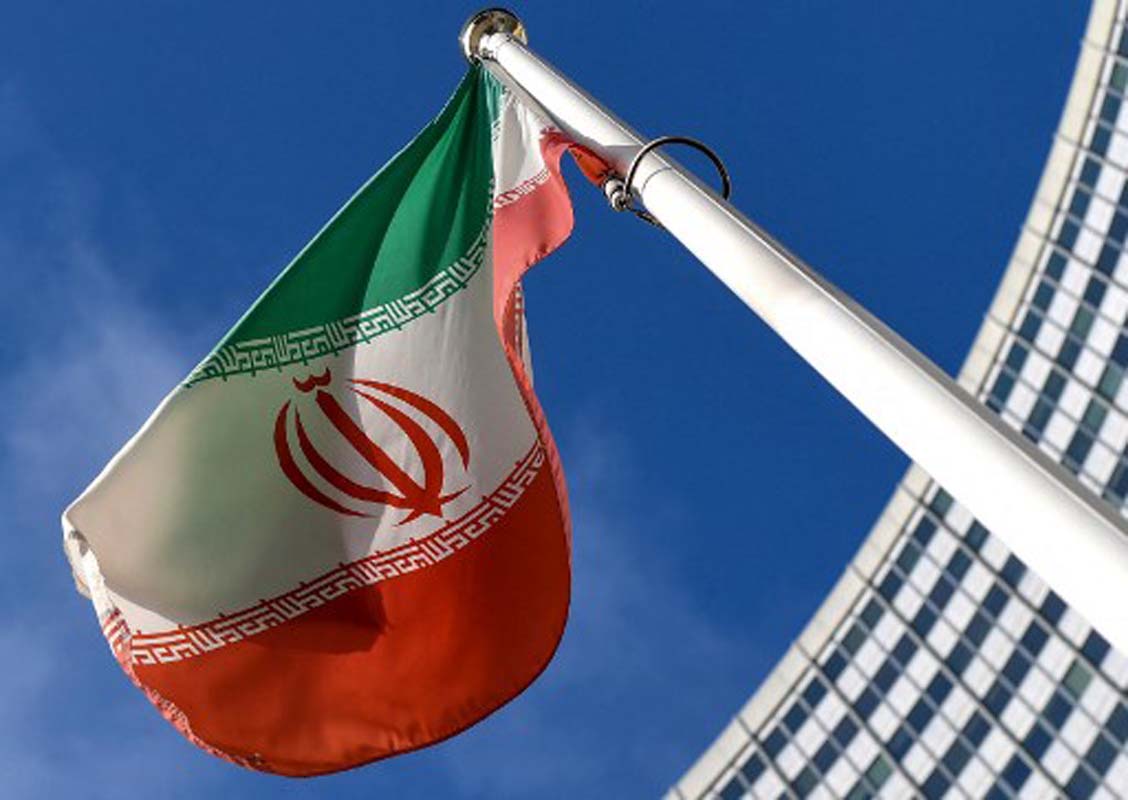
Iran Slams US Hormuz Reply, Demands Answers on 7 Conditions


(MENAFN) Iran has rejected Washington’s reply to its seven conditions for reopening the Strait of Hormuz, calling it “insufficient,” a senior official said, according to a semi-official Iranian news agency.
Mohsen Rezaei, secretary of Iran’s Supreme National Security Council, said the United States had accepted some of Tehran’s terms but left others unresolved.
Over the past two months, Washington approached Tehran through three channels, Pakistan, Qatar and Iraq, urging it to submit proposals, Rezaei said. Roughly two weeks ago, Iran delivered seven conditions and stated explicitly that the strait would stay closed to the US, and that no talks would begin, until they were met.
Tehran is no longer drafting a reply, he said, because the US already delivered its own, which Iran judges “insufficient.” “They must clarify the issues that remain ambiguous to us,” he said.
The report did not list all seven conditions or identify which ones Washington had accepted.
Control of the Strait
Rezaei also argued that the Gulf cannot be secure without Iranian management of the strait, describing the waterway as an “immense source of national wealth and a major national asset.” He said Iran’s interests go beyond closing the passage and collecting transit fees.
Earlier Proposal
Foreign Minister Abbas Araghchi said in late September that Iran could reopen the waterway within seven days if Washington accepted a proposal passed through Qatari mediation. Under that plan, the US would take agreed steps during the first four or five days, normal shipping would resume on day six, and talks on a final agreement would start on day seven.
Mohsen Rezaei, secretary of Iran’s Supreme National Security Council, said the United States had accepted some of Tehran’s terms but left others unresolved.
Over the past two months, Washington approached Tehran through three channels, Pakistan, Qatar and Iraq, urging it to submit proposals, Rezaei said. Roughly two weeks ago, Iran delivered seven conditions and stated explicitly that the strait would stay closed to the US, and that no talks would begin, until they were met.
Tehran is no longer drafting a reply, he said, because the US already delivered its own, which Iran judges “insufficient.” “They must clarify the issues that remain ambiguous to us,” he said.
The report did not list all seven conditions or identify which ones Washington had accepted.
Control of the Strait
Rezaei also argued that the Gulf cannot be secure without Iranian management of the strait, describing the waterway as an “immense source of national wealth and a major national asset.” He said Iran’s interests go beyond closing the passage and collecting transit fees.
Earlier Proposal
Foreign Minister Abbas Araghchi said in late September that Iran could reopen the waterway within seven days if Washington accepted a proposal passed through Qatari mediation. Under that plan, the US would take agreed steps during the first four or five days, normal shipping would resume on day six, and talks on a final agreement would start on day seven.

Legal Disclaimer:
MENAFN provides the
information “as is” without warranty of any kind. We do not accept
any responsibility or liability for the accuracy, content, images,
videos, licenses, completeness, legality, or reliability of the information
contained in this article. If you have any complaints or copyright
issues related to this article, kindly contact the provider above.


Comments
No comment