


Pakistan Faces Bangladesh-Style Crisis? Munir's Reported Plan Raises Fears Of A 1971 Repeat


In 1971, political exclusion, military repression and Bengali nationalism culminated in Bangladesh's independence after a devastating war. Pakistan now faces renewed questions over federal unity and military dominance.
Pashtun-majority Khyber Pakhtunkhwa faces militant violence, security operations and public anger over insecurity. Unlike Bangladesh in 1971, separatism is not the province's defining political demand.
Balochistan's insurgency stems from longstanding grievances over autonomy, resource control, enforced disappearances and military operations. Separatist groups seek independence, making tensions distinct from Khyber Pakhtunkhwa's broader security crisis.
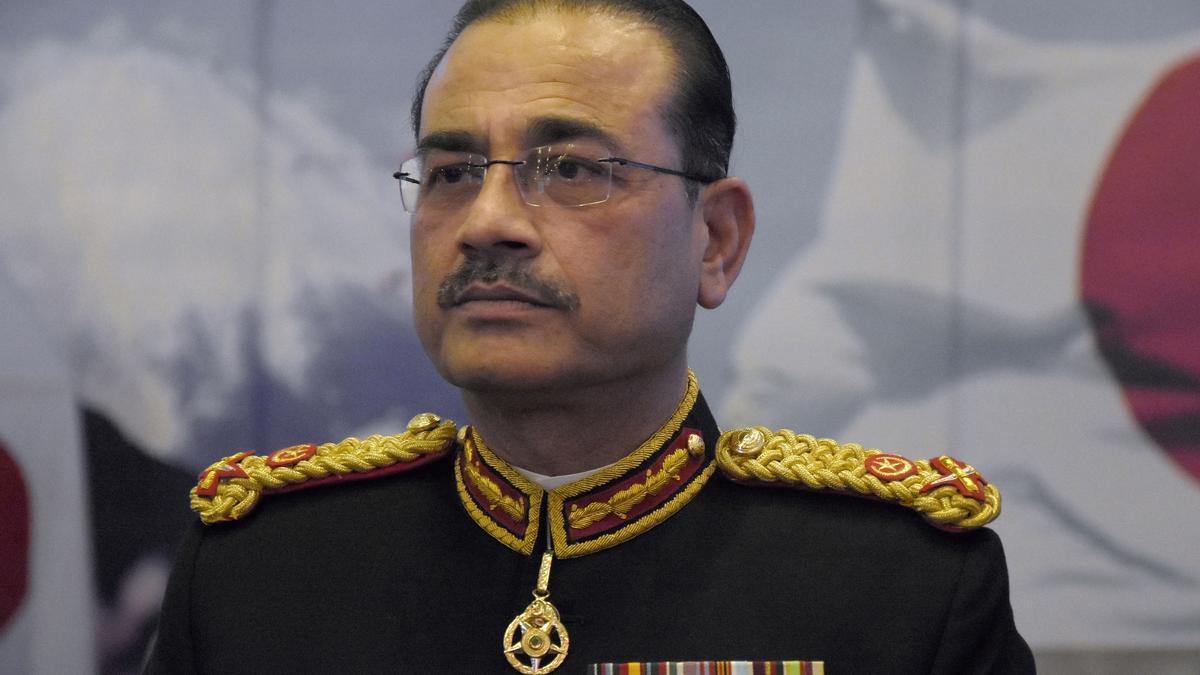
Asim Munir, Pakistan's army chief, is reportedly considering a major restructuring of the country's administrative map that could divide its four provinces into as many as 12 to 15 smaller provinces, raising concerns about provincial autonomy and the military's growing influence over civilian politics.
The proposal was reported by The Economist on October 8. Although supporters of administrative reform argue that smaller units could improve governance and service delivery, critics warn that the plan could weaken established political power centres and make local leaders more dependent on the military establishment.
Pakistan's four provinces, Punjab, Sindh, Khyber Pakhtunkhwa and Balochistan, have remained central to the country's political structure since its creation in 1947. Punjab, the most populous province, is a stronghold of the Pakistan Muslim League-Nawaz (PML-N), while the Pakistan Peoples Party (PPP) has traditionally dominated Sindh. Critics say dividing these provinces could weaken the influence of both parties and reduce the provinces' ability to act as counterweights to the federal centre.
According to The Economist, Munir has argued that the existing provinces are too large to be governed effectively. However, the publication questioned whether the proposed restructuring would genuinely improve public administration or instead consolidate authority around the military chief, who has emerged as Pakistan's most powerful political figure.
The report comes amid mounting concerns about Pakistan's civil-military balance. Munir's influence has expanded beyond military affairs, while civilian leaders have faced criticism over their limited ability to challenge the armed forces. Opposition leader and former prime minister Imran Khan remains imprisoned, and his Pakistan Tehreek-e-Insaf (PTI) party continues to challenge the federal government.
Recent developments have intensified concerns over provincial autonomy. On October 11, President Asif Ali Zardari imposed emergency rule in Khyber Pakhtunkhwa and suspended the provincial government led by Khan's party, following a recommendation from Prime Minister Shehbaz Sharif's federal cabinet. The federal government cited security concerns, while PTI representatives condemned the move as illegitimate. The decision has added to tensions between Islamabad and a province governed by the opposition.
The reported restructuring proposal also faces significant constitutional and political obstacles. Changes to provincial boundaries would require constitutional amendments and substantial parliamentary support, including approval by the affected provincial assemblies. Sindh has historically resisted proposals to divide the province, making any nationwide reorganisation politically contentious.
The debate has prompted wider questions about whether Pakistan is entering a period of deeper political instability. Some observers may draw comparisons with Bangladesh's recent political upheaval, but the two countries have different political histories and circumstances. The comparison is therefore best understood as a warning about the possible consequences of weakened civilian institutions, rather than evidence that Pakistan is destined to experience the same outcome.
Pakistan's military has long played a decisive role in national politics, including periods of direct military rule. Critics argue that a further weakening of provincial political institutions could deepen centralisation and intensify existing regional grievances, particularly in Balochistan and Khyber Pakhtunkhwa, where security operations and separatist or militant violence remain major challenges.
For now, the province-splitting proposal remains a reported plan rather than an implemented policy. Its eventual direction will depend on political negotiations, constitutional requirements and the response of provincial leaders. The central question is whether restructuring would improve governance and representation or further concentrate power in an already dominant military establishment.
Pakistan's crises share concerns over representation, state force and trust, but Bangladesh's 1971 outcome is not inevitable. Today's trajectories depend on political choices, rights protections and federal negotiations.

Legal Disclaimer:
MENAFN provides the
information “as is” without warranty of any kind. We do not accept
any responsibility or liability for the accuracy, content, images,
videos, licenses, completeness, legality, or reliability of the information
contained in this article. If you have any complaints or copyright
issues related to this article, kindly contact the provider above.


Comments
No comment