


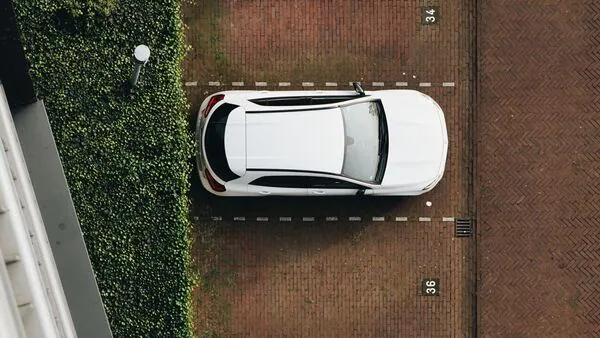
Smart Investment Or Monopoly? Woman's ₹20 Crore Parking Space Bet Sparks Legal Feud In China


The dispute over the parking spots, located in a residential community in Changsha, Hunan province, ultimately led to a lawsuit when disgruntled residents accused her of monopolising essential infrastructure, according to a report by the South China Morning Post.
Also Read | Delhi winter pollution rules: Parking fees double as GRAP curbs tighten across N Calculated a $2 million gambleThe origins of the dispute date back to 2018, when the Changsha housing project first entered the market. At the time, the development lacked essential public facilities, including schools, shops, and transport links, leading to widespread scepticism among prospective buyers, as reported by Hunan TV.
As a result, flats and parking spaces saw very little interest. However, a woman surnamed Wu saw an opportunity after analysing regional development plans published by local authorities.
Confident in the area's future growth, she struck a deal with the financially struggling developer to purchase 196 parking spaces-amounting to 40 per cent of the community's total parking inventory-in a single transaction worth 14 million yuan (approximately ₹20 crore).
Also Read | Kargil veteran allegedly assaulted by parking staff with iron rod in Gurugram Skyrocketing demand and price hikesWu's market foresight paid off as the neighbourhood rapidly developed. Residential units sold out quickly, and demand for parking spaces surged. To secure her assets, Wu installed parking locks to prevent unauthorised use.
Capitalising on the newfound demand, Wu began renting out spaces for $75 ( ₹7,258) per month, effectively doubling the developer's original 2018 rental rate. She also listed several spaces for sale at roughly $15,000 ( ₹14.52 lakh) each, representing a markup of up to 80 per cent over their original value.
Residents sue over 'monopoly'The steep price hikes incensed the community's residents, who were already struggling with a lack of available parking. When they demanded that Wu lower the monthly rent to 300 yuan ( ₹4,334) and sell the spots at their original 2018 rates, she refused.
Following a failed mediation attempt by a local government official, a group of residents banded together to sue Wu.
The plaintiffs argued that parking spaces constitute essential community infrastructure and should not be monopolised by a single individual for outsized profit. They formally requested the court to cancel the initial purchase contract between Wu and the property developer.
Also Read | World's costliest parking space sold, in Hong Kong, for almost $1 mn Court's verdictIn February 2024, a local Changsha court ruled decisively in Wu's favour. In its judgment, the court noted that when the developer initially listed the parking spaces, all residents were given an equal opportunity to purchase them but chose to abstain.
The court highlighted that Wu arranged her own funding and bore the entire market risk, while others waited to see how the local property market would perform.
Concluding that her bulk purchase was entirely legal, the court also clarified that current laws do not impose any restrictions on the number of parking spaces an individual citizen may own.

Legal Disclaimer:
MENAFN provides the
information “as is” without warranty of any kind. We do not accept
any responsibility or liability for the accuracy, content, images,
videos, licenses, completeness, legality, or reliability of the information
contained in this article. If you have any complaints or copyright
issues related to this article, kindly contact the provider above.


Comments
No comment