


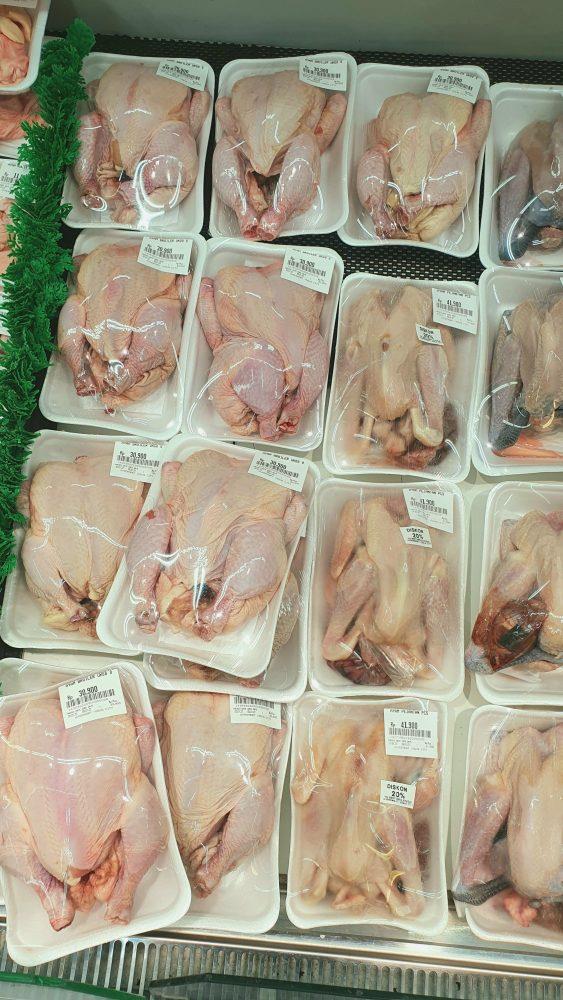
Why Is There So Much Liquid In Packaged Chicken?


If you have ever opened a package of raw chicken and found a puddle of liquid inside, you are not alone. The amount can sometimes be surprising, especially when the chicken looks like it is sitting in water. However, that liquid does not necessarily mean the chicken is spoiled or unsafe to eat. Some of the moisture comes naturally from the chicken, while additional liquid can come from the way the meat is processed and packaged. Understanding where it comes from can make grocery shopping and meal preparation a little less confusing.
Some of the Liquid Is Naturally ReleasedChicken contains a significant amount of water, and some of it naturally leaves the meat after processing. Once a chicken is cut into breasts, thighs, wings, or other portions, the muscle tissue can release moisture while the meat sits in its package. Refrigeration can also contribute to this process, particularly as the chicken is transported and stored. The liquid may collect at the bottom of the tray because there is nowhere else for it to go. This is one reason a package can look much wetter when you open it than it did when you bought it.
Processing Can Add Even More MoistureNot all packaged chicken contains only the moisture that naturally comes from the meat. Some chicken is processed with a solution containing water, salt, or other ingredients, which can increase the amount of liquid in the package. This practice can help the meat retain moisture during cooking and may also affect its texture and flavor. If a chicken product has been enhanced with a solution, the packaging should provide information about it. Shoppers may see wording such as“contains up to” a certain percentage of retained water or a statement describing the solution added during processing.
Why Does the Chicken Sometimes Look Waterlogged?A particularly wet package does not automatically indicate a problem, but the appearance can be noticeable. Chicken that has absorbed added water may release some of that moisture as it sits in the refrigerator or begins cooking. The liquid can also spread around the meat, making the chicken appear as though it has been soaking in water. This is more noticeable with certain products and packaging methods than others. If you are comparing packages at the store, checking the label can help you understand whether the product contains added solution.
Does Extra Liquid Mean You Are Paying for Water?In some cases, moisture content can affect how much usable chicken you are getting for your money. When a product contains retained water or an added solution, part of the package weight can come from that added liquid. This does not necessarily make the chicken a bad value, because the added moisture may help prevent the meat from becoming dry during cooking. However, shoppers comparing prices should look beyond the package price and consider the type of chicken they are buying. A package with a slightly lower price is not automatically the better deal if the product contains significantly more retained liquid.
What Happens to the Liquid When You Cook Chicken?Much of the liquid released from chicken ends up in the pan during cooking. As the chicken heats, water naturally leaves the muscle tissue, while any retained solution can also be released. This can create a noticeable amount of liquid around the chicken, particularly when several pieces are crowded into the same pan. Instead of browning immediately, the chicken may initially simmer in the released moisture. Giving the pieces enough room in the pan can help the liquid evaporate more effectively, allowing the chicken to brown once the surface becomes drier.
Should You Rinse Liquid Off Raw Chicken?You may be tempted to rinse wet chicken under the faucet before cooking it, but food-safety experts generally advise against washing raw poultry. Rinsing does not make chicken safer, and splashing water can spread bacteria from the raw meat to nearby sinks, counters, utensils, and other foods. The safer approach is to keep the chicken contained and cook it thoroughly. If excess liquid bothers you, you can carefully drain the package and pat the chicken dry with disposable paper towels before cooking. Any surfaces or utensils that come into contact with raw chicken should then be cleaned properly.
When Should You Be Concerned About Chicken?Liquid alone is not a reliable way to determine whether raw chicken has spoiled. Instead, pay attention to several signs, including an unpleasant or unusually strong odor, a sticky or slimy texture, and an unusual appearance. Chicken that has been stored improperly or left at unsafe temperatures can become dangerous, even if it does not look dramatically different. Always check the use-by or sell-by information on the package, follow proper refrigeration guidelines, and avoid eating chicken that you suspect has been mishandled. When in doubt about the safety of raw poultry, it is better to discard it than take a chance.
What To Read NextIs Store-Bought Rotisserie Chicken Actually Healthy? Here's What to Check on the Label
Dairy Queen Has a $6.99 Chicken Strip Meal - Here's Everything You Get
Why Restaurant Fried Chicken Tastes Better Than Yours - 7 Steps That Make the Difference
5 Chicken Breasts Mistakes That Could Be Making You Sick
10 Reasons the CDC Says You Should Never Wash Your Chicken Again

Legal Disclaimer:
MENAFN provides the
information “as is” without warranty of any kind. We do not accept
any responsibility or liability for the accuracy, content, images,
videos, licenses, completeness, legality, or reliability of the information
contained in this article. If you have any complaints or copyright
issues related to this article, kindly contact the provider above.


Comments
No comment