


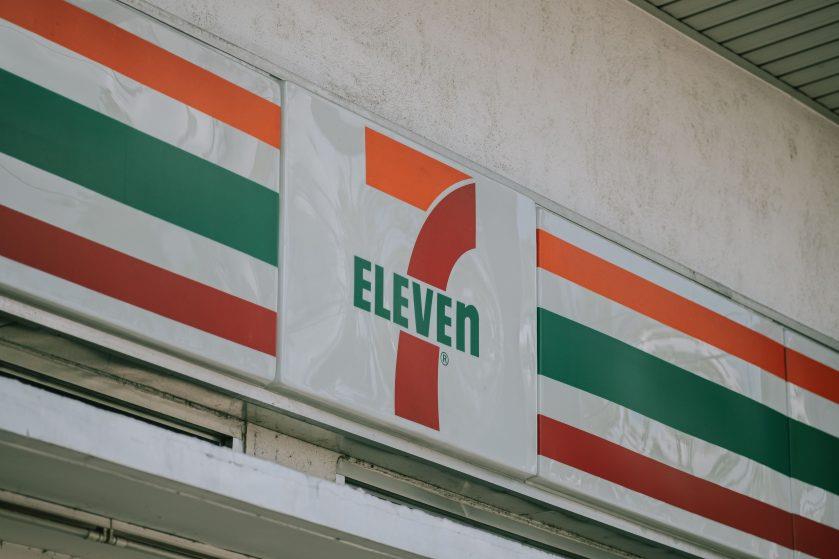
Stop Buying These 7 Grocery Items At Convenience Stores


Convenience stores are designed to make quick purchases easy, but that convenience often comes with a higher price. When you need one or two things on the way home, paying a little extra may not seem like a big deal. The problem starts when convenience-store shopping becomes part of your regular grocery routine. Everyday products can cost noticeably more than they do at supermarkets, discount grocers, or warehouse clubs. If you are trying to lower your grocery bill, these are some of the items worth removing from your convenience-store shopping list.
1. MilkMilk is one of the easiest grocery staples to overpay for at a convenience store. Stores in this category typically have limited refrigerator space, which means shoppers may have fewer package sizes and brands to choose from. A supermarket can offer more competition between brands, store brands, and different package sizes. That makes it easier to compare prices and choose the option that fits your budget. If you already know you will need milk later in the week, adding it to your regular grocery trip is usually a better strategy than making a separate convenience-store purchase.
2. EggsEggs are another basic food that can be tempting to grab during a quick stop, particularly when you only need a dozen for breakfast. However, convenience stores generally do not have the same selection of egg sizes, brands, or package options found at larger grocery stores. Supermarkets may also offer store-brand eggs, larger packages, or promotions that can bring the cost down. Unless you need eggs immediately, there is little reason to pay a premium simply because they are available closer to the gas pump. Buying them during your normal grocery trip can make more sense for your budget.
3. BreadRunning out of bread can create a genuine dinner-time problem, which is exactly why convenience stores keep it available. The selection, however, is usually much smaller than what you will find at a supermarket. You may have fewer choices between store brands, specialty breads, sandwich loaves, and larger packages. Supermarkets also frequently place bread on sale or offer lower-priced store brands. If you can plan, buying bread with the rest of your groceries can help prevent a last-minute purchase that costs more than expected.
4. Bottled WaterBottled water can be particularly expensive when purchased one bottle at a time. A convenience store may be useful when you are traveling or suddenly need something to drink, but regular purchases can add up quickly. Buying a larger multipack at a supermarket, warehouse club, or discount retailer generally gives you more bottles for your money. Better yet, a reusable bottle filled from home can eliminate the recurring cost. For households that regularly buy bottled water, this is one category where changing the shopping habit can make a noticeable difference.
5. SnacksChips, cookies, crackers, candy, and other packaged snacks are easy impulse purchases at convenience stores. They are often positioned near checkout areas or along the main shopping path, making them difficult to ignore when you are hungry or simply looking for something quick. Grocery stores give you more opportunities to compare package sizes and prices, including family-size options and store brands. Buying snacks during your regular grocery trip can also make it easier to portion them at home instead of repeatedly purchasing individual packages. If you are trying to cut food spending, this is an easy category to plan.
6. CerealCereal is another item that rarely needs to be purchased during an emergency shopping trip. Convenience stores typically carry a limited selection, and the available boxes may not offer the same value as larger grocery-store packages. Supermarkets and discount grocers often have more brands, sizes, and store-brand alternatives to compare. Sales and digital coupons can also make cereal considerably cheaper when purchased as part of a planned grocery trip. Unless breakfast is suddenly missing from your kitchen, there is little reason to make cereal a convenience-store purchase.
7. Coffee and CreamerCoffee purchases can quietly become one of the more expensive convenience-store habits. A single ready-to-drink coffee or small bottle of creamer may not seem costly on its own, but buying them repeatedly can add up over several weeks. Grocery stores typically offer larger containers of creamer, ground coffee, pods, and ready-to-drink options, giving shoppers more ways to compare the cost per serving. Buying coffee supplies at the supermarket can also reduce the number of separate trips you make during the week. If convenience is the main reason you stop for coffee, preparing it at home and carrying it with you can save even more.
Make Convenience the Exception, Not the HabitConvenience stores have their place when you need something quickly, but they are rarely the best choice for routine grocery shopping. Planning for basics like milk, eggs, bread, snacks, and coffee can help you avoid paying extra for the same products elsewhere. You do not have to eliminate convenience-store purchases, either. Simply moving a handful of regular purchases to your weekly grocery trip can make it easier to stick to your food budget. Over time, those small price differences can add up to meaningful savings, especially for households that shop frequently.
What To Read NextHow Much Does Convenience Really Cost? We Priced 10 Pre-Cut Foods Against Whole Versions
Are Air Fryer Convenience Foods Actually Worth the Price?
The $3 Rule: Which Grocery Convenience Upgrades Are Actually Worth Paying For?
The Convenience Tax on Pre-Cut Produce: Convenience vs. Cash
10 Convenience Store Chains That Are Shrinking Fast
Legal Disclaimer:
MENAFN provides the
information “as is” without warranty of any kind. We do not accept
any responsibility or liability for the accuracy, content, images,
videos, licenses, completeness, legality, or reliability of the information
contained in this article. If you have any complaints or copyright
issues related to this article, kindly contact the provider above.


Comments
No comment