


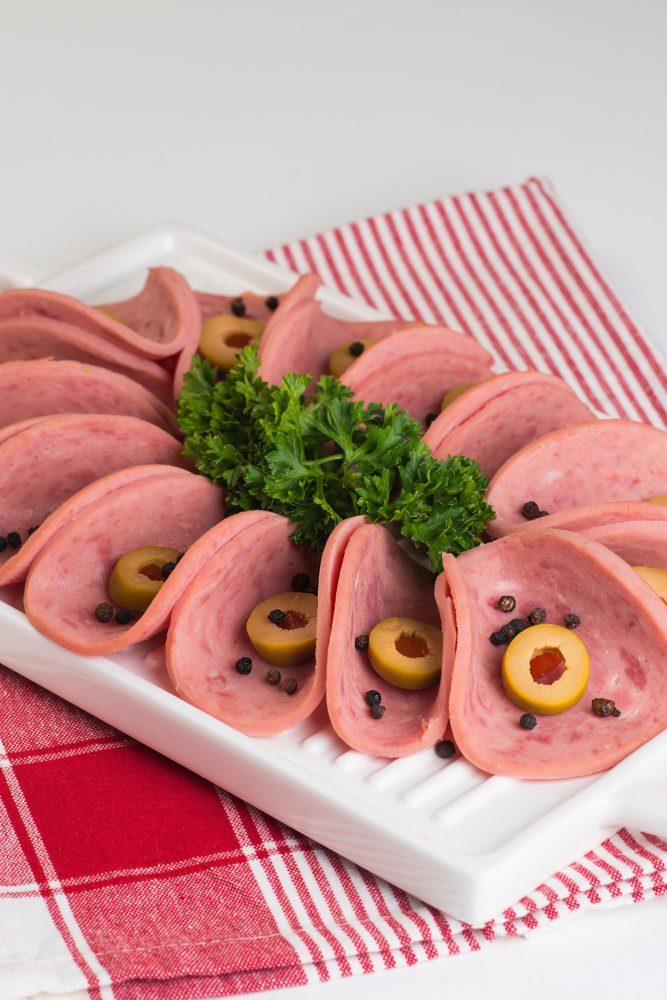
Why Does Deli Meat Get Slimy Even Before The Expiration Date?


You open the refrigerator, reach for the deli meat, and notice something feels different. The slices are slippery, sticky, or coated with a thin film, even though the package date says you still have several days left to use them. It is an easy situation to second-guess because deli meat can sometimes look slightly moist without actually being spoiled. However, a noticeable change in texture can be one of the signs that the meat is no longer fresh. Understanding why deli meat becomes slimy and how storage affects its shelf life can help you decide when it is still usable and when it belongs in the trash.
The Slimy Texture Can Be a Warning SignFew refrigerator discoveries are more disappointing than opening a package of deli meat and finding the slices covered in a slippery or slimy coating. It can be especially confusing when the package still has several days left before its expiration or use-by date. However, the date printed on the package does not guarantee that the meat will remain fresh until that day after it has been opened. Storage conditions, handling and the amount of time the package has been refrigerated can all affect how quickly the meat changes. When deli meat becomes noticeably slimy, consumers should take the texture seriously rather than assuming it is safe because of the printed date.
Spoilage Bacteria Can Change the TextureThe slimy coating is generally associated with spoilage, which happens as microorganisms multiply on the food. The USDA explains that spoilage bacteria can cause meat to develop unpleasant odors and changes in texture, including becoming sticky or slimy. Some spoilage bacteria can also grow at refrigerator temperatures, although refrigeration slows their growth. As the bacteria multiply, their activity and waste products can change the food's smell, taste and texture. That means a package does not have to reach its printed date before spoilage becomes noticeable.
The Date on the Package Is Not a GuaranteeOne reason this catches shoppers off guard is that food dates are often misunderstood. USDA says product dating is intended to communicate quality rather than serve as a universal safety deadline, with some exceptions and differences depending on the type of date used. A package can therefore develop signs of spoilage before its printed date, particularly after it has been opened. The opposite can also happen, meaning a product is not automatically unsafe simply because a quality date has passed if it was handled and stored properly. In other words, the date is one piece of information, but it should not override obvious signs that the food has deteriorated.
Opening the Package Changes How Long It LastsDeli meat generally has a much shorter refrigerator life once the package is opened. USDA recommends keeping opened packages of luncheon meat refrigerated at 40 degrees Fahrenheit or below and using them within three to five days. An unopened package of luncheon meat can last considerably longer under proper refrigeration, which helps explain why the date on an unopened package cannot necessarily be applied after opening it. Each time the package is opened, the meat is exposed to air, hands, utensils and the surrounding environment. Properly resealing the package and limiting how often it is handled can help maintain quality, but it does not make the meat last indefinitely.
Your Refrigerator Temperature MattersA refrigerator that is too warm can speed up food deterioration and increase the opportunity for bacteria to multiply. USDA recommends keeping refrigerators at 40 degrees Fahrenheit or below. That temperature does not stop all bacterial growth, but it slows it and helps keep perishable foods safer for longer. Refrigerator temperature can also fluctuate when the door is frequently opened or when food is placed inside while still warm. Using an appliance thermometer can help confirm that the refrigerator is actually maintaining the temperature shown on its controls.
Slimy Meat Should Not Be Rinsed and ReusedIf deli meat has developed a distinctly slimy, sticky, or tacky texture, rinsing the slices under water is not a safe way to restore them. The USDA specifically identifies sliminess and stickiness as signs that meat should not be used. Washing the meat may remove some surface residue, but it does not reverse spoilage or guarantee that harmful microorganisms are gone. It can also spread contamination to the sink, countertops, utensils or other foods. When the texture has clearly changed in a way that indicates spoilage, throwing the meat away is the safer choice.
A Normal Smell Does Not Prove It Is SafeOne of the trickier parts of food safety is that harmful bacteria do not necessarily produce obvious changes in smell or appearance. USDA distinguishes spoilage bacteria from pathogenic bacteria, which can cause illness without making food look, smell or taste spoiled. That means a lack of slime or a bad odor cannot guarantee that deli meat is safe. This is particularly important with ready-to-eat meats because they do not necessarily receive another cooking step before they are eaten. Consumers should therefore follow safe storage practices instead of relying entirely on their senses.
Deli Meat Deserves Extra Attention Because It Is Ready to EatThere is another reason to be careful with lunch meat beyond the unpleasant texture. Deli meats are ready-to-eat foods that have been associated with Listeria monocytogenes, a bacterium that can survive and grow under refrigeration. USDA notes that contamination can occur after processing, including during handling and other stages before the food reaches the consumer. People at higher risk for serious listeriosis, including pregnant people, older adults and those with weakened immune systems, should take extra precautions with luncheon meats. USDA recommends that people at higher risk reheat these meats until steaming hot before eating them.
How to Make Deli Meat Last LongerThe best way to reduce premature spoilage is to treat deli meat as a highly perishable refrigerator food rather than something that can sit around until the package date. Keep it refrigerated at 40 degrees Fahrenheit or below, reseal the package tightly after each use, and avoid leaving it sitting on the counter. If you know you will not use the meat within the recommended refrigerator window, freezing is another option. USDA says lunch meat can remain safe indefinitely when continuously frozen at 0 degrees Fahrenheit or below, although it recommends using frozen lunch meat within one to two months for the best quality.
When in Doubt, Toss ItA package of deli meat does not have to be past its printed date to be spoiled. If the meat has developed a slimy or sticky texture, an unusual odor, or other clear signs of deterioration, the safest choice is to discard it. The date on the package cannot compensate for improper storage or spoilage that has already occurred. Keeping the refrigerator cold and using opened lunch meat within the USDA's recommended three-to-five-day window can help reduce waste while keeping food safety in perspective. When the meat looks questionable, saving a few dollars is not worth taking the risk.
What To Read NextFDA Alert: The Moringa Supplement Recall Linked to a Multi-State Safety Investigation
Why Baby Carrots Are Wet, but Whole Carrots Aren't
Food Safety Investigators Warn of Contaminated Produce Arriving Late in Season
The Rainy Season Impact: Why Fresh Greens May Spoil Faster This Week
6 Bagged Salads That Spoil Before Expiration Dates

Legal Disclaimer:
MENAFN provides the
information “as is” without warranty of any kind. We do not accept
any responsibility or liability for the accuracy, content, images,
videos, licenses, completeness, legality, or reliability of the information
contained in this article. If you have any complaints or copyright
issues related to this article, kindly contact the provider above.


Comments
No comment