


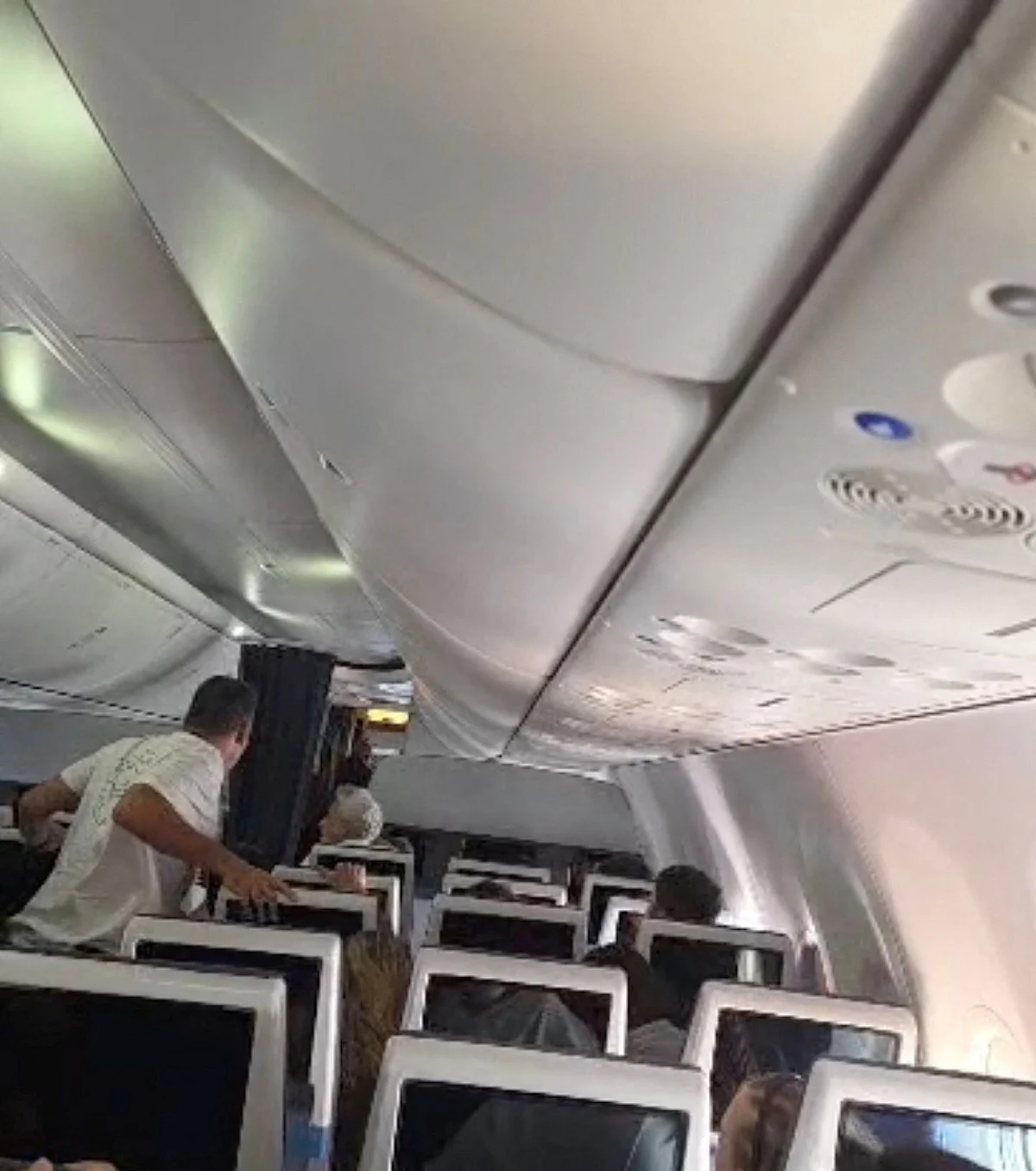
Flydubai Investigation: 7 Findings That Change What We Know About Attempted Terror Attack


The findings, announced by UAE Attorney-General Dr Hamad Saif Al Shamsi on Friday, October 9, establish what the 29-year-old Omani co-pilot allegedly intended to do, how he prepared for the attack and how those aboard the aircraft prevented it.
Recommended For YouHere are seven key findings and how they change what was previously known.
1. Attempted terror attack's target confirmed as airport terminalIn the immediate aftermath of the incident, the co-pilot was accused of attempting to crash the aircraft. Early reports suggested he intended to use the plane as a weapon against a target in Israel, with Ben Gurion Airport and a high-rise building in Tel Aviv mentioned as possible targets.
The UAE investigation has now identified a specific intended target: the passenger terminal at Ben Gurion Airport.
According to prosecutors, the co-pilot planned to seize control of the aircraft and carry out a suicide attack designed to cause the "greatest possible loss of life".
2. Omani co-pilot's extremist views traced back to 2017The suspect's motives were among the biggest unanswered questions in the initial days of the investigation. Early reports raised different possibilities, including terrorism and mental health issues, while later accounts pointed to extremist beliefs and radical online activity.
The UAE investigation now traces the first signs of his radicalisation to 2017, when he was studying in Australia.
Prosecutors said he was influenced by takfiri ideology through extremist literature and online content glorifying terrorist organisations and suicide attacks.
The investigation adds a significant new detail: the suspect admitted drawing inspiration from the September 11, 2001, attacks in the United States.
The findings establish a much longer history of alleged radicalisation and planning than was previously known.
3. Earlier flights used for reconnaissance amid reports of an aborted attackEarlier reports suggested the co-pilot had planned a similar attack in July but abandoned it at the last moment. Some accounts claimed he changed his mind because someone he knew was aboard.
The UAE investigation found that he used two earlier flights to Tel Aviv specifically to familiarise himself with the route and Ben Gurion Airport as part of his preparations for the terrorist plot.
The findings establish that the earlier journeys were used for reconnaissance, but neither confirm nor reject claims that he had planned an earlier attack and abandoned it because he knew someone aboard.
4. How he passed flydubai's recruitment checksEarlier reports suggested Oman Air had removed the suspect from flying duties over concerns about his beliefs and assigned him to an administrative role.
According to UAE prosecutors, he worked for Oman Air between 2020 and 2024, followed by a period at Royal Air Maroc in 2025, before joining flydubai in January 2026.
Investigators examined flydubai's recruitment procedures and found that the suspect had met the professional and security requirements for employment.
These included holding a pilot's licence, providing a certificate of good conduct and completing the required checks. None of these procedures revealed his extremist beliefs or intentions, prosecutors said.
5. Forensic evidence backs axe-attack accountThe nature of the assault was initially unclear, with early witness accounts describing a stabbing and raising questions about whether a knife or another weapon had been used.
The UAE subsequently established on October 3 that the co-pilot had attacked Captain Smit Machchhar with an emergency axe.
The latest investigation adds forensic evidence to that finding.
According to prosecutors, the captain's injuries were concentrated on his head, a vital area where such injuries could have been fatal.
The forensic findings were consistent with the accounts of the suspect, the injured captain and witnesses.
6. Who landed FZ1073? Pilots' roles revealedWho actually landed flydubai flight FZ1073 after its captain was seriously injured in the cockpit? The question sparked conflicting accounts, with some early reports suggesting that an Israeli plumber with no flying experience had helped bring the aircraft down safely.
The UAE investigation has now clarified the roles of professional pilots aboard the aircraft, whose actions were crucial to stopping the attacker and bringing the plane safely to the ground.
According to prosecutors, a pilot assigned to operate the aircraft's return flight was near the cockpit when he noticed its door opening and closing repeatedly. Suspecting something was wrong, he approached and attempted to enter using the access code.
After gaining entry, he witnessed the co-pilot attacking Captain Machchhar with an emergency axe. He immediately intervened, assisted by a cabin crew member and several passengers, who together rescued the injured captain and restrained the attacker.
The captain assigned to the return flight and his co-pilot then regained control of the aircraft, diverted it to Saudi Arabia and landed safely at Tabuk Airport.
The investigation establishes their crucial role in saving the aircraft and those aboard, although the two pilots have not been publicly identified.
7. Suspect confessed to acting aloneIn the days after the attack, questions emerged about whether the co-pilot had acted independently or had connections to terrorist organisations or foreign actors.
Earlier investigations had not established links to an organised terrorist group, although speculation about outside involvement continued.
The UAE Public Prosecution has now obtained a detailed confession from the suspect in the presence of his lawyer and with the required legal safeguards.
Prosecutors said he admitted acting alone, without the involvement of others.
However, investigators have not treated that claim as conclusive.
The Public Prosecution is continuing to examine evidence, investigate possible accomplices and other connections, and review recordings and technical reports.
ALSO READ- What really happened aboard flydubai FZ1073 during attempted terror attack Australia probes flydubai co-pilot's links to the country, police say 'Missing' oxygen masks, landed by plumber? 5 flydubai FZ1073 questions answered Are crash axes required on every flight? What UAE law says

Legal Disclaimer:
MENAFN provides the
information “as is” without warranty of any kind. We do not accept
any responsibility or liability for the accuracy, content, images,
videos, licenses, completeness, legality, or reliability of the information
contained in this article. If you have any complaints or copyright
issues related to this article, kindly contact the provider above.


Comments
No comment