

8 Food Recalls That Are Making People Rethink Growing Their Own Food


For shoppers who regularly see headlines about contaminated produce, eggs, and other foods, the idea of growing food at home can sound increasingly appealing. After all, picking a tomato or pepper from your own garden seems like a way to know exactly where the food came from. Recent recalls, however, show that food safety problems can occur at several points along the food chain, including with foods people commonly associate with fresh eating. At the same time, growing your own food does not automatically eliminate food-safety risks. These eight recent recalls offer a closer look at why some consumers are reconsidering where their food comes from and what they would actually need to do to grow it safely.
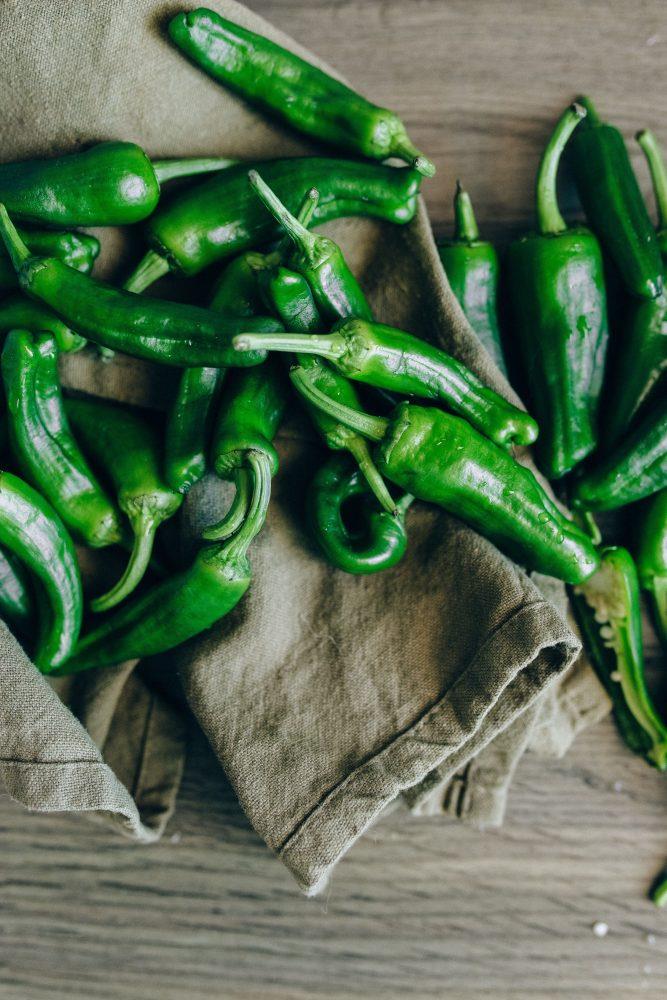
1. Jalapeño Peppers Were Linked to a Multistate Salmonella OutbreakJalapeños became one of the year's most significant produce-related food-safety stories after federal investigators linked peppers from Sinaloa, Mexico, to a multistate Salmonella Javiana outbreak. As of October 2, the FDA reported 488 illnesses across 34 states, including 65 hospitalizations, although no deaths were reported. The peppers were distributed through Coast Citrus Distributors to distributors, restaurants, and food-service companies, and downstream recalls followed. The investigation has now ended, but the outbreak demonstrates how a single ingredient can move through a complicated supply chain and reach consumers in many different forms.
2. Iceberg Lettuce Was Recalled Over Cyclospora ConcernsIceberg lettuce was another reminder that even a basic salad ingredient can become involved in a foodborne illness investigation. In July, Taylor Fresh Foods recalled iceberg lettuce sourced from central Mexico because of potential Cyclospora contamination. The FDA and CDC ultimately connected the outbreak investigation to Taylor Farms de Mexico and continued examining the growing and distribution chain. The CDC declared the outbreak over in September, while the FDA continued its post-outbreak investigation and prevention work. For home gardeners, lettuce may seem like one of the easiest crops to grow, but safe water, soil, and handling still matter.
3. Frozen Blueberries Were Linked to E. Coli IllnessesFrozen blueberries may not be the first food people associate with gardening, but the 2026 recall showed how contamination can follow produce long after it leaves the farm. CDC investigators linked frozen organic blueberries supplied by Frutas y Hortalizas del Sur S.A. to an E. coli O145 outbreak. By September 21, 17 illnesses and six hospitalizations had been reported in two states, and additional recalls later included certain Great Value and Trader Joe's frozen berry products. The recalled berries had passed through processing, packaging and distribution before reaching consumers. Growing fresh berries at home would eliminate some of those commercial steps, but it would not eliminate the need to handle and wash produce safely.
4. Mangoes Were Recalled Over Possible Salmonella ContaminationMangoes offered another example of how fresh fruit can become the subject of a recall. Panorama Produce recalled 302 boxes of size-nine Martina mangoes in August because they could have been contaminated with Salmonella. The FDA warned that Salmonella can cause serious illness, particularly among young children, older adults, and people with weakened immune systems. A mango grown in a home garden might feel more trustworthy to some shoppers because they know where it originated, but homegrown fruit still needs to be protected from contaminated water, animals, soil, and unclean harvesting equipment. The difference is that home growers have more direct control over those conditions.
5. Alfalfa Sprouts Were Recalled for E. Coli and Salmonella RisksSprouts may be one of the most surprising foods on this list because they are already commonly grown in controlled environments at home. In August, Everything Sprouts recalled certain alfalfa sprouts because they could be contaminated with both Salmonella and Shiga toxin-producing E. coli. The FDA has separately investigated a 2026 outbreak involving alfalfa sprouts, highlighting the particular food-safety challenges associated with sprouting. Warm, moist conditions that help seeds germinate can also create an environment where certain bacteria multiply. Growing sprouts at home therefore requires careful attention to seed sources, sanitation, and growing conditions rather than assuming homemade automatically means safer.
6. Broccoli Sprouts Were Also Part of a Salmonella InvestigationBroccoli sprouts added another warning for people interested in growing their own food indoors. Evergreen Fresh Sprouts recalled broccoli sprouts in September because of potential Salmonella contamination, and FDA investigators found that a positive sample matched the strain causing illnesses in the outbreak. The investigation involved 22 illnesses and two hospitalizations across Idaho, Montana, Utah and Washington, according to the FDA. Because sprouts are eaten young and often raw, there is little opportunity for cooking to destroy bacteria before consumption. Anyone growing sprouts at home needs to understand that sanitation and seed safety are just as important as the growing process itself.
7. Broccoli Seeds Were Recalled, TooPerhaps the most eye-opening recall for would-be gardeners came in October when EAK Distribution recalled HOME GROWN Green Sprouting Calabrese Broccoli Seeds because of potential Salmonella contamination. The seeds were sold through Amazon nationwide between August 20 and September 18, and the company said its supplier had notified it about the affected seed lot. FDA testing later detected Salmonella in a sample from the seed lot. There were no reported illnesses connected to the product, but the recall demonstrates an important point: even growing food yourself starts with an input that comes from somewhere else.
8. Eggs Show That Home Food Production Has Its Own RisksEggs provide another interesting comparison because raising backyard chickens is increasingly viewed by some households as a way to have a direct source of fresh food. In July, Midwest Poultry Services recalled more than 1.5 million dozen eggs because of possible Salmonella contamination. The FDA and CDC eventually reported 134 illnesses across 18 states, with 34 hospitalizations and no deaths, and investigators identified the recalled Texas-produced eggs as a likely source. A backyard flock gives owners more control over how chickens are raised and eggs are handled, but it does not make Salmonella disappear. Proper coop hygiene, handwashing, egg collection, storage and cooking remain important.
Growing Your Own Food Does Not Remove Every Safety RiskThese recalls can make home gardening look attractive, but they should not be interpreted as evidence that homegrown food is automatically safer than supermarket food. Commercial agriculture operates under food-safety rules, testing programs, and traceability systems that can help identify and remove potentially contaminated products. Home growers have more control over their food but also take on more responsibility for water quality, soil, seeds, fertilizers, animals, pests, harvesting, and storage. The broccoli seed recall is a particularly useful reminder because it shows that even the starting materials for a garden can carry a potential food-safety concern. The real advantage of growing your own food is greater control, not immunity from contamination.
The Biggest Difference Is Knowing Where Your Food Came FromFor some consumers, these recalls may be enough to encourage a small backyard garden, a few tomato plants or even a container of herbs. Growing a portion of your own food can provide a clearer connection between the garden and the plate, but it still requires good food-safety habits. Washing produce, using safe water, keeping animals away from growing areas, and cleaning harvesting equipment are all important steps. Gardeners should also pay attention to where seeds and other growing materials come from and check for recalls when appropriate. Ultimately, the lesson from these recalls is not that grocery stores are unsafe or that homegrown food is automatically better, but that knowing how food is produced and handled can help consumers make more informed choices.
What To Read NextMezzetta Recalls 32-Ounce Peperoncini After Pest Contaminant Report - Check This Lot Number
Food Recalls Are Making Shoppers Nervous-But Should You Throw Away Food That Isn't Actually Recalled?
Whole Foods Recalls Cabricharme Cheese in 7 States Over Undeclared Egg Allergen
Made Fresh Salads Recalls Deli Salads, Cream Cheese and Other Foods Over Listeria Risk
Is Anything Safe to Eat? Navigating Modern Recalls and Protecting Your Plate

Legal Disclaimer:
MENAFN provides the
information “as is” without warranty of any kind. We do not accept any
responsibility or liability for the accuracy, content, images, videos,
licenses, completeness, legality, or reliability of the information
contained in this article. If you have any complaints or copyright issues
related to this article, kindly contact the provider above.
Comments
No comment