

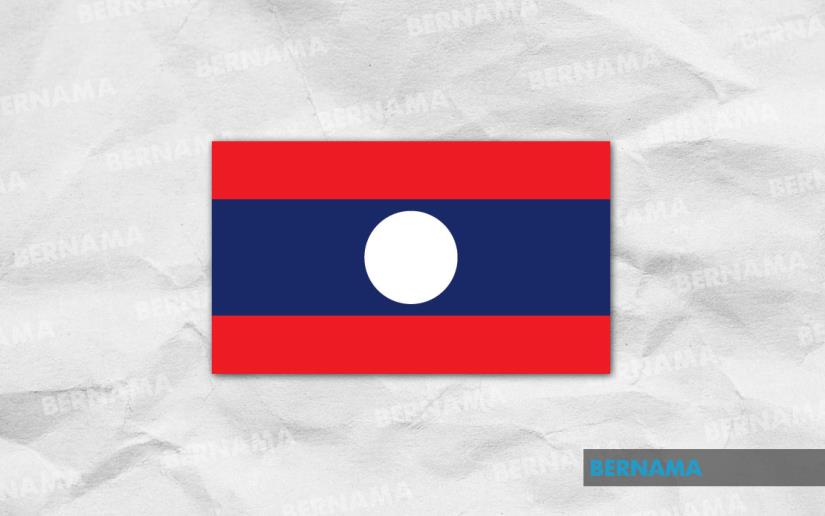
Laos To Ban Raw Mineral Exports By 2030 As It Retools Economy After LDC Status


By Vijian Paramasivam
PHNOM PENH, Oct 8 (NNN) -- Laos will ban exports of raw minerals by 2030, marking a decisive shift away from its longstanding reliance on unprocessed mineral resources as the nation prepares to graduate from least developed country (LDC) status in November.
Industry and Commerce Minister Malaithong Kommasith said the old approach-selling raw minerals for quick revenue-had resulted in the country's mineral resources being underutilised, reported the Vientiane Times.
“In the past, our policy was to promote mineral processing to add value. In practice, however, the mineral industry focused mainly on exporting raw materials to generate revenue and ease economic and financial difficulties. This meant we were not using our resources to their full potential,” Malaithong told the National Assembly on Wednesday, the newspaper was quoted as saying.
Mining remains a key source of revenue for the landlocked nation, which has abundant reserves of gold, copper, bauxite and potash. The mining and mineral processing industry's production value reached about US$1.7 billion (RM7 billion) through August.
The major policy shift indicates the government's efforts to diversify the economy and move beyond traditional sources of revenue such as tourism, cassava coffee, electricity, and minerals.
Malaithong said efforts to expand domestic mineral processing were already attracting investment, with 14 factories operating at the Asia Potash Industrial Park in Khammuan province, Vientiane Times reported.
The factories have invested more than US$730 million (RM3 billion) over the past year and employ about 2,000 Laotians, the newspaper reported.
However, he cautioned that the government's plan could be hindered by exorbitant transport costs, power shortages and inadequate supply chains, all of which could deter foreign direct investment.
“The ban on raw mineral exports threatens to trigger a sudden revenue shortfall, chill the broader investment climate, and potentially expose the state to costly investor lawsuits,” said Malaithong.
--NNN

Legal Disclaimer:
MENAFN provides the
information “as is” without warranty of any kind. We do not accept any
responsibility or liability for the accuracy, content, images, videos,
licenses, completeness, legality, or reliability of the information
contained in this article. If you have any complaints or copyright issues
related to this article, kindly contact the provider above.
Comments
No comment