

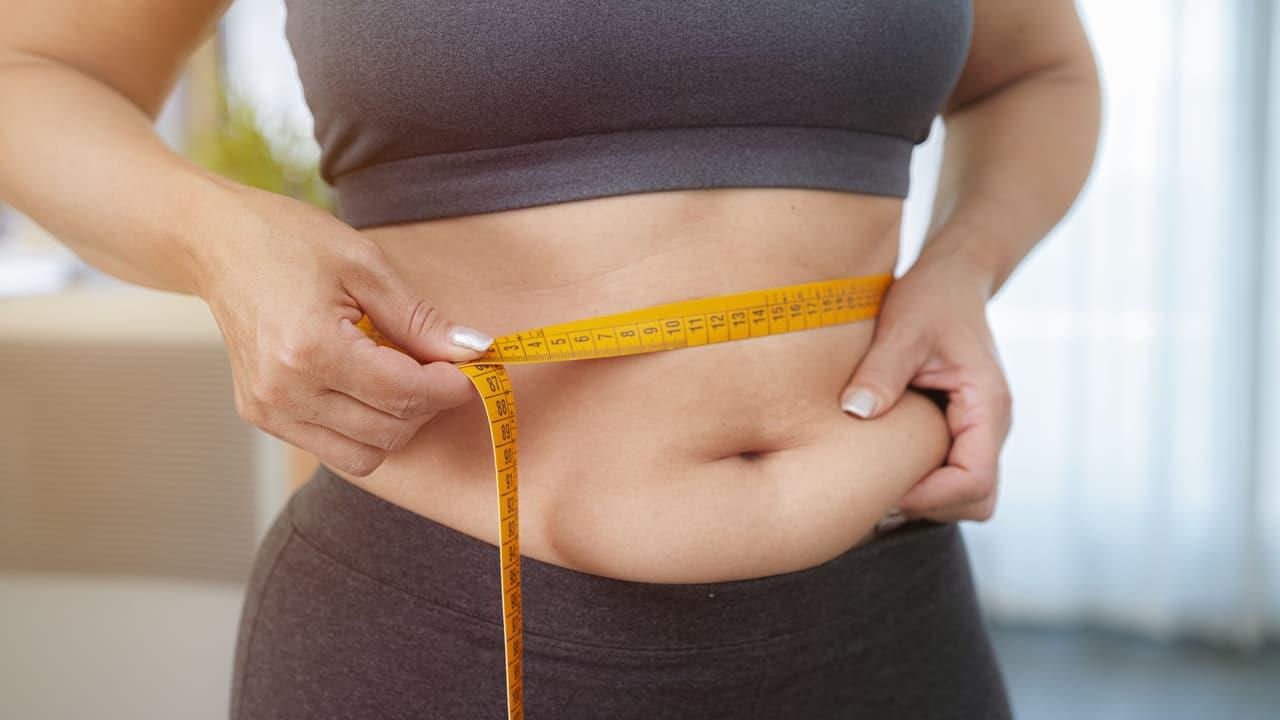
Waistline Increasing Without Weight Gain? Here's What May Be Happening


When the scale shows little or no changes, but you notice that your waistline is getting larger than before, this could indicate that there is a bigger problem. This could be due to increase in abdominal or visceral fat, which is a type of fat that is kept in the in and around internal organs, such as the liver, pancreas and intestines. The difference between visceral fat and the fat elsewhere in the body is that visceral fat is metabolically active, and it has negative implications on a person's health.
Why can your waist increase without weight gain?
It is important to keep in mind that body weight doesn't necessarily indicate shifts in body composition. With increasing age, sedentary lifestyle, lack of quality sleep, or poor nutrition, people tend to lose muscle and gain fat in their abdomen. Due to differences in density between muscle and fat tissue, the weight measured doesn't often change despite increase in waist circumference.
Different hormonal changes in the body can affect body fat distribution too. For example, menopause and age-related hormonal changes, stress or increased cortisol levels, can lead to an increase in abdominal fat.
What makes visceral fat concerning?
Having too much fat in the abdomen has been associated with many health problems including insulin resistance, type 2 diabetes, high blood pressure, and heart and vessel diseases. Moreover, it may affect the liver and cause chronic inflammation.
Consequently, a larger waistline may be a signal about health issues despite normal values of BMI and general weight. This is particularly relevant to the group of individuals who have sedentary habits, a diet that is rich in processed carbohydrates and heavy alcohol consumption, and/or a family history of diabetes and cardiovascular disease.
How can you reduce abdominal fat?
Instead of concentrating on quick weight loss as a goal, a more viable approach is that of enhancing one's metabolic health and body composition through physical activity. A combination of strength training and endurance workouts has been shown to increase muscle mass and eliminate excess fat deposits. A diet emphasizing protein, fiber, vegetables, whole grains, legumes, and healthy fats, keeps consumers away from unnecessary foods, sugar-containing beverages, and too much food.
Another important aspect is that of getting enough sleep and managing stress. Even if your weight is stable, keeping records of waist circumference measurements can be useful in terms of analyzing changes in the amount of abdominal fat.
If case there is a constant increase in waist measurements or high blood pressure or abnormalities in blood sugar levels, it is advisable to consult a medical professional.
-This articcle is authored by Dr. Nandini Shankara Narayana Consultant - Endocrinology & Andrology, KIMS Hospitals, Electronic City

Legal Disclaimer:
MENAFN provides the
information “as is” without warranty of any kind. We do not accept any
responsibility or liability for the accuracy, content, images, videos,
licenses, completeness, legality, or reliability of the information
contained in this article. If you have any complaints or copyright issues
related to this article, kindly contact the provider above.
Comments
No comment