

Nobel Peace Prize Explained: Who Could Win And How Is The Winner Chosen?


This year, 287 candidates have been nominated, including 208 individuals and 79 organisations. Yet unlike many major awards, there is no public shortlist and the Norwegian Nobel Committee will neither confirm nor deny whether any particular person has been nominated.
Recommended For YouSo how does someone get nominated, who chooses the winner and why are names including Pope Leo XIV, UN special rapporteur Francesca Albanese and international courts being discussed?
Here is what to know.
When will the 2026 Nobel Peace Prize be announced?The winner will be announced on Friday, October 9, at 11am CEST at the Norwegian Nobel Institute in Oslo. The announcement will be made by Jørgen Watne Frydnes, chair of the Norwegian Nobel Committee.
The formal award ceremony will take place in Oslo on December 10, the anniversary of Alfred Nobel's death.
Stay up to date with the latest news. Follow KT on WhatsApp Channels. How many candidates are there?
There are 287 candidates for the 2026 Nobel Peace Prize. Of those, 208 are individuals and 79 are organisations. However, the Nobel Committee does not reveal their identities.
This means that reports describing someone as a Nobel Peace Prize nominee should be treated carefully. A nomination may have been publicly disclosed by the person who submitted it, but the Nobel Committee itself will not confirm whether it is valid.
Being nominated also does not mean the committee endorses a candidate. Any eligible nominator can submit a name before the deadline.
Why is the list secret?Nobel rules require nominations, assessments and the committee's internal discussions to remain confidential for 50 years.
The rule means neither the names of the nominees nor those who nominated them are officially disclosed during the selection process.
Names that appear publicly before the award are therefore usually based on information released by nominators themselves or speculation by researchers and the media.
The committee says confidentiality also helps protect nominees and nominators and limits outside pressure on the selection process.
Who can nominate someone?Not everyone can submit a valid Nobel Peace Prize nomination. Those who can include members of national parliaments and governments, current heads of state, certain university professors, directors of peace and foreign policy research institutes, judges at international courts, previous Nobel Peace Prize winners and current and former members of the Norwegian Nobel Committee.
Candidates cannot nominate themselves. Nominations generally have to be submitted by January 31. Members of the Nobel Committee can add candidates at their first meeting after the deadline.
Who actually chooses the winner?The decision is made by the five-member Norwegian Nobel Committee. Its members are selected by Norway's parliament, known as the Storting, but the committee operates independently.
After nominations are checked, the committee creates a shortlist of candidates it considers worthy of closer examination. Independent experts then prepare assessments, while committee members review academic research and other background material.
The committee meets repeatedly from February through September as it narrows the field. It normally tries to reach a consensus. If that is not possible, the winner can be chosen by a simple majority vote.
What does the committee look for?The Peace Prize comes from the will of Swedish inventor Alfred Nobel, who signed it in 1895. Nobel said the prize should recognise work promoting fraternity between nations, reducing or abolishing standing armies and advancing peace efforts.
The interpretation has expanded over more than a century. Since the Second World War, recipients have been recognised for work including disarmament, peace negotiations, democracy, human rights and efforts to strengthen international cooperation.
The committee says its task remains to identify the person or organisation that has provided the greatest benefit to humanity in the field of peace.
Who could win in 2026?There is no official list of favourites, but peace researchers and Nobel watchers have pointed to several possible contenders.
Among those discussed are Pope Leo XIV, the International Criminal Court, the International Court of Justice and UN Special Rapporteur Francesca Albanese.
Sudan's Emergency Response Rooms, a network of volunteer groups providing assistance during the country's war, and Save the Children have also been mentioned as possible choices.
These names should not be considered an official shortlist. Because of the Nobel Committee's confidentiality rules, it is impossible to know whether all of them are among the candidates being seriously considered.
The committee has, however, offered some clues about the kind of work it is considering. Kristian Berg Harpviken, secretary of the Norwegian Nobel Committee, said ahead of the announcement that the world is going through major geopolitical change and highlighted the importance of people and institutions working to build international cooperation and peace.
How much does the winner receive?The 2026 Nobel Prize comes with 12 million Swedish kronor in prize money. The Nobel Foundation increased the amount by 1 million Swedish kronor this year as the Nobel Prize marks its 125th anniversary.
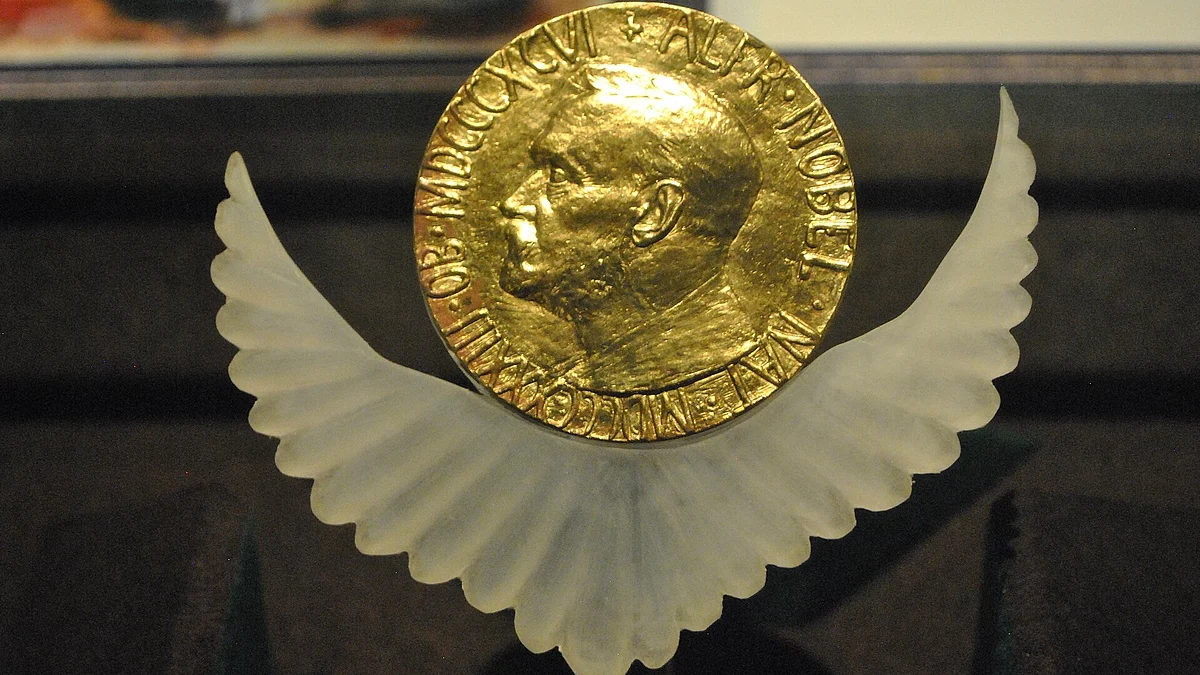
The laureate also receives a Nobel medal and diploma during the ceremony in Oslo.
If more than one laureate shares the prize, the money is divided between them.
Can the Nobel Committee decide not to award the prize?Yes. The Peace Prize has not been awarded in some years, particularly during periods of war when the committee determined that no candidate met the required standard.
However, the Norwegian Nobel Institute has indicated that there are worthy candidates to consider in 2026. Until Friday's announcement, who the committee ultimately selected will remain one of the world's most closely guarded secrets.
ALSO READ- Henri Kagan, Kenso Soai win 2026 Nobel chemistry prize German, US scientists win Nobel medicine prize for work on optogenetics Nobel Peace Prize 'cannot be transferred or revoked', says committee Belgium's Francis Halzen wins Nobel Prize in Physics

Legal Disclaimer:
MENAFN provides the
information “as is” without warranty of any kind. We do not accept any
responsibility or liability for the accuracy, content, images, videos,
licenses, completeness, legality, or reliability of the information
contained in this article. If you have any complaints or copyright issues
related to this article, kindly contact the provider above.
Comments
No comment