

Record-Breaking Tanker Rates Pile Pressure On Already High Fuel Prices


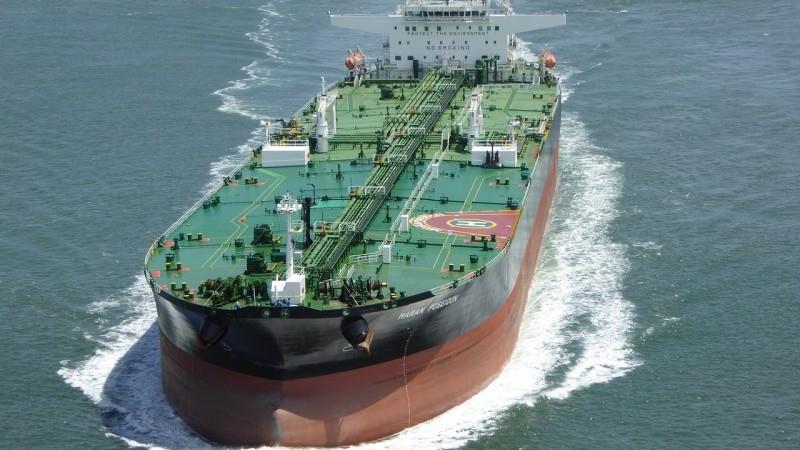
Oil tanker markets sit at the centre of geopolitical turmoil, and this year that has translated into record-breaking freight rates as the conflict in the Middle East drags on. Tankers have been caught up in sanctions regimes and repeatedly targeted in key shipping lanes, including the Strait of Hormuz, Bab al-Mandeb and the Gulf of Aden.
At the same time, demand for tanker capacity has surged as traders seek alternative routes and sources of supply, including increased shipments from the US. The opening of a protected corridor through Omani waters has enabled additional crude exports and vessel movements, but has also placed further strain on an already stretched market. Shuttle services now operate around the Strait of Hormuz, with under the radar activity and ship-to-ship transfers taking place outside the chokepoint.
The conflict and tanker seizures in the Persian Gulf erupted at a time when the market was already facing a shortage of capacity. New deliveries of crude carriers slowed sharply following a record-low order book in 2022-23, while an increasing number of older and smaller vessels joined Russia's shadow fleet, further reducing the pool of compliant tankers available to the wider market.
Crude tanker rates have soared, pushing up transport costsAverage global tanker earnings in $ per day
Source: Clarksons, ING Research"> Crude tanker earnings rose tenfold on rush for capacity
The capacity squeeze, combined with operating in risky war zones and facing highly elevated insurance premiums, has sent tanker rates soaring. We have seen previous surges in this volatile market, such as in 2022 after sanctions were placed on Russia, but this spike is beyond levels ever seen before.
Average global crude vessel earnings exceeded an unprecedented level of $500,000 per day, 10 times the 2025 average, in early October. For Suezmax tankers and very large crude carriers (VLCCs, with a maximum capacity of 2m barrels) alone, rates surged even beyond that. Crude shipments from Ras Tanura in Saudi Arabia to Rotterdam made up about $2/bbl in 2025; in September, this surged beyond $35. Combined with high refinery margins (the current crack spread of diesel in Europe is about 2.5 times the 2025 average), this could add over $0.50 to the base price of a litre of diesel at the gas station.
Earnings of product tankers have also tripled compared to the 2025 average. Nevertheless, these have responded much more moderately. This is mainly because of the key importance of the Middle East region for crude oil. And when it comes to the supertankers, the VLCCs, these are designated to transport crude and traditionally are intensively deployed on the Middle East trade routes.
Orders for new crude tankers have surged on a bullish marketOrder books for new crude and product tankers in % of the total fleet
Source: Clarksons, ING Research"> Crude tanker orders pick up after a prolonged downturnTanker markets are cyclical by nature, and there's a clear connection with freight rates. Over the pandemic years of 2020-21, tanker earnings hit lows due to lower oil consumption and shipments. This resulted in an order book of just 4% of global crude carrier capacity, the lowest on record since the 1990s.
With the recovery of oil demand and tanker rates in 2022 and 2023, order intake began to rebound. This year, in particular, order books have doubled from 14% to 28%. Although the average age of the crude fleet has also reached a multi-decade high of over 13 years and more scrapping can be expected, we can also expect more supply pressure. But many of these vessels will only be delivered in 2028-29, likely after the current boom ends. It's all about geopolitics and how the Middle East conflict evolves, but tanker markets could still see a solid 2027.

Legal Disclaimer:
MENAFN provides the
information “as is” without warranty of any kind. We do not accept any
responsibility or liability for the accuracy, content, images, videos,
licenses, completeness, legality, or reliability of the information
contained in this article. If you have any complaints or copyright issues
related to this article, kindly contact the provider above.
Comments
No comment