

403
Sorry!!
Error! We're sorry, but the page you were looking for doesn't exist.
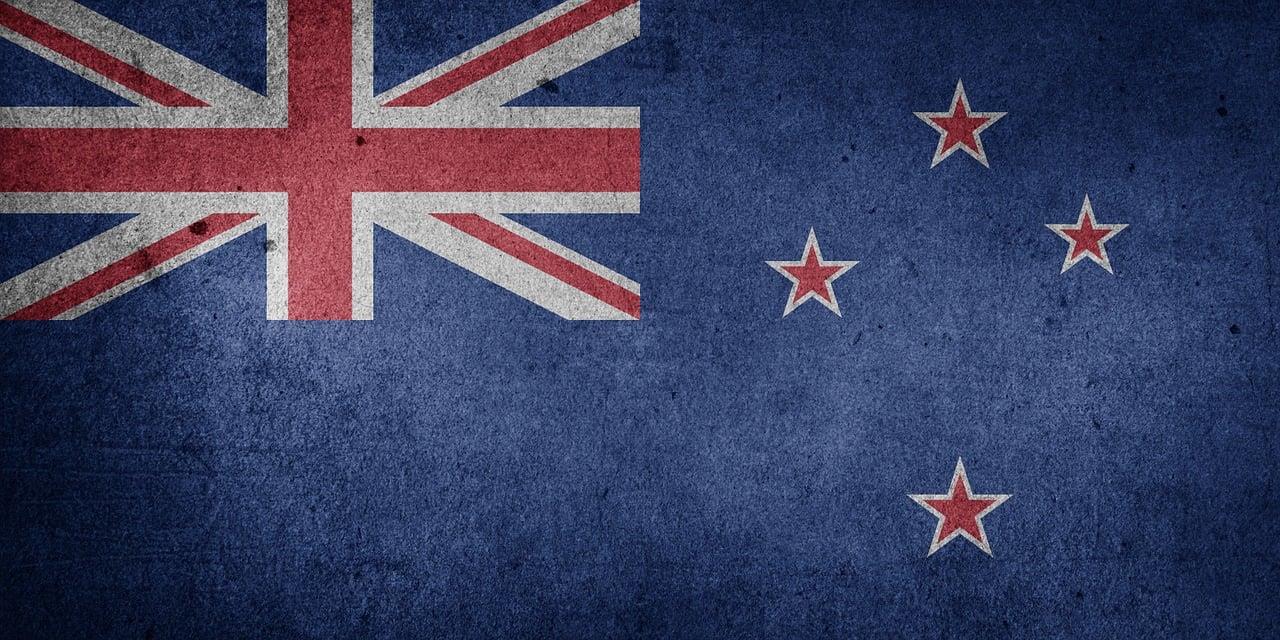
New Zealand Election Race Tightens Ahead of November Vote


(MENAFN) New Zealand is approaching a closely contested general election on Nov. 7, with recent opinion polls showing differing results for opposition Labour and the governing National Party.
A poll released Tuesday showed Labour, led by Chris Hipkins, receiving 30.8% support, compared with 25.9% for Prime Minister Christopher Luxon’s National Party. The result represented National’s lowest level of support since the 2020 election, according to reports.
The same survey placed the Greens at 14.8%, New Zealand First at 10.6%, ACT at 9% and the Opportunity Party at 5.5%.
Another poll produced a different picture, giving National 29% and Labour 28%. The contrasting findings highlight the role smaller parties could play in determining the makeup of the next government.
Luxon and Hipkins took part Tuesday in their first leaders’ debate of the campaign. Discussions focused on issues including living costs, economic policy, taxation and healthcare.
New Zealand’s 54th Parliament was formally dissolved on Oct. 1, bringing its term to an end ahead of the upcoming vote.
National emerged as the largest party in the 2023 election and later entered government through a coalition agreement with ACT and New Zealand First, ending six consecutive years of Labour-led administrations.
Under New Zealand’s Mixed Member Proportional electoral system, national elections are generally held every three years, with voters casting separate ballots for electorate candidates and political parties.
A poll released Tuesday showed Labour, led by Chris Hipkins, receiving 30.8% support, compared with 25.9% for Prime Minister Christopher Luxon’s National Party. The result represented National’s lowest level of support since the 2020 election, according to reports.
The same survey placed the Greens at 14.8%, New Zealand First at 10.6%, ACT at 9% and the Opportunity Party at 5.5%.
Another poll produced a different picture, giving National 29% and Labour 28%. The contrasting findings highlight the role smaller parties could play in determining the makeup of the next government.
Luxon and Hipkins took part Tuesday in their first leaders’ debate of the campaign. Discussions focused on issues including living costs, economic policy, taxation and healthcare.
New Zealand’s 54th Parliament was formally dissolved on Oct. 1, bringing its term to an end ahead of the upcoming vote.
National emerged as the largest party in the 2023 election and later entered government through a coalition agreement with ACT and New Zealand First, ending six consecutive years of Labour-led administrations.
Under New Zealand’s Mixed Member Proportional electoral system, national elections are generally held every three years, with voters casting separate ballots for electorate candidates and political parties.

Legal Disclaimer:
MENAFN provides the
information “as is” without warranty of any kind. We do not accept any
responsibility or liability for the accuracy, content, images, videos,
licenses, completeness, legality, or reliability of the information
contained in this article. If you have any complaints or copyright issues
related to this article, kindly contact the provider above.
Comments
No comment