

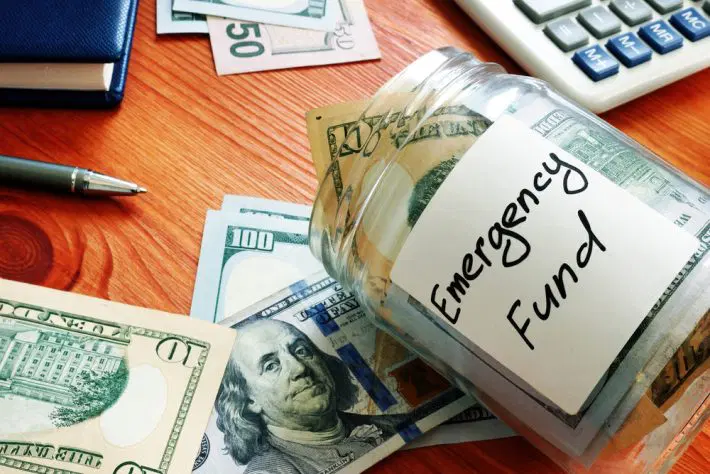
8 Things That Stop Feeling Like Emergencies Once You Have $25,000 Saved


A transmission failure or major engine repair can create an immediate transportation problem, but it doesn't necessarily have to create a debt problem too. The Federal Reserve found major vehicle repairs or replacements were the most common major unexpected expense reported in 2025, affecting 30% of adults.
Repair bills can become expensive quickly, with AAA reporting that almost half of general repair shops charge between $120 and $159 per hour for labor. With substantial cash savings, you can focus on whether repairing or replacing the vehicle makes financial sense instead of asking which credit card still has room. That's one of the biggest changes a $25,000 emergency fund creates: you gain choices when something breaks.
2. A Broken Furnace Doesn't Have to Go on a Credit CardHomeownership has an unpleasant habit of producing large expenses without consulting your budget first. In the Federal Reserve's 2025 survey, 22% of adults experienced a major unexpected home or appliance repair during the previous 12 months. When the furnace fails in January or the water heater floods the garage, waiting six months while you save isn't always realistic.
Cash reserves let you get multiple estimates and choose a sensible repair or replacement without automatically financing the entire bill. You still won't enjoy spending $2,000 or $5,000 unexpectedly, but having the money available changes the situation from a financial crisis into a setback that can be rebuilt from.
3. An Unexpected Medical Bill Is Easier to AbsorbHealth insurance doesn't eliminate every medical expense, particularly when deductibles, coinsurance, and uncovered services enter the picture. The Federal Reserve reported that 21% of adults encountered a major unexpected medical expense in 2025, while 26% said they had skipped some medical care because of cost. An emergency fund can't make an illness disappear, but it can keep a surprise bill from competing with the mortgage, groceries, and utilities.
It can also give you time to review an explanation of benefits, question an incorrect bill, or arrange appropriate payment terms rather than immediately charging everything. The Consumer Financial Protection Bureau specifically identifies medical bills as one of the unexpected costs emergency savings can help households manage.
4. Losing a Job Doesn't Immediately Threaten Next Month's RentA job loss is where the size of a $25,000 emergency fund can become especially meaningful. Imagine your essential household expenses are $4,000 per month; $25,000 theoretically represents a little over six months of those expenses before considering unemployment benefits, severance, or other income. Someone spending $7,000 monthly obviously has a much shorter runway, which is why emergency-fund targets should be based on expenses rather than a universal dollar amount.
The CFPB lists loss of income as one of the primary reasons for maintaining emergency savings because cash can help you recover without immediately relying on debt. Savings also buy something that's difficult to put on a spreadsheet: time to search for a suitable next job rather than accepting the first offer solely because next month's bills are approaching.
5. An Emergency Trip Doesn't Require Financial AcrobaticsFamilies sometimes need to travel with almost no warning because a parent is hospitalized, a child needs help, or someone dies. Last-minute airfare, hotels, rental cars, meals, and missed work can turn an already emotional situation into a financial one. With substantial savings available, you can buy the ticket without wondering whether the electric bill will clear afterward. That doesn't mean every spontaneous trip qualifies for the $25,000 emergency fund. A weekend getaway because you're tired of winter probably doesn't. But genuine family emergencies are exactly the kind of unpredictable events a cash cushion is designed to make manageable.
6. A Large Insurance Deductible Becomes Something You Planned ForHomeowners and auto insurance protect against potentially enormous losses, but coverage doesn't necessarily mean you'll pay nothing when something happens. If your policy carries a $1,000, $2,500, or even larger deductible, that amount effectively becomes your responsibility before applicable insurance coverage takes over. A well-funded savings account means you don't have to borrow the deductible after a collision, storm, or other covered loss.
This is also a useful way to determine part of your personal savings target: look at the deductibles on the insurance policies you actually own. Your emergency fund should reflect risks that exist in your household rather than an arbitrary savings number you encountered online.
7. An Urgent Pet Bill Doesn't Force an Impossible DecisionAnyone who has taken a sick dog or cat to an emergency veterinarian knows how quickly the estimate can become uncomfortable. Diagnostic testing, hospitalization, surgery, and specialized treatment can produce a bill far beyond the cost of an ordinary veterinary visit. Without savings or applicable pet insurance, owners may have to weigh treatment decisions against how much credit they can access.
A cash reserve doesn't mean spending unlimited amounts, but it allows you to make the decision based more on prognosis, quality of life, and your financial boundaries than on whether you can produce money that afternoon. For pet owners, anticipated emergency veterinary costs deserve consideration when deciding how large a $25,000 emergency fund or other savings cushion should be.
8. Two Emergencies in the Same Month Don't Destroy the BudgetPerhaps the biggest benefit of substantial savings isn't handling one expensive surprise. It's surviving the second one. Real life doesn't promise that your air conditioner won't fail the same month your car needs $1,800 in repairs. The CFPB warns that without savings, even a relatively minor financial shock can push households toward credit cards or loans and potentially create debt that's harder to escape.
With $25,000 available, paying several thousand dollars unexpectedly still hurts, but you can use the money for its intended purpose and immediately begin rebuilding. Financial resilience isn't about preventing bad things from happening; it's about making sure one bad month doesn't dictate your finances for the next several years.
The Real Luxury Is Having Time to Make a DecisionA $25,000 emergency fund doesn't make you wealthy, guarantee financial security, or mean every unexpected expense should automatically come out of savings. What it can provide is distance between a problem and the need to borrow money, raid retirement savings or make a rushed financial decision. The right target might be $10,000 for one household and $40,000 for another, depending on monthly expenses, job stability, dependents, insurance deductibles, health needs, and other risks. Keep emergency money somewhere safe and accessible, and establish your own rules about what qualifies before you're standing in a repair shop or hospital trying to decide under pressure.
What expense stopped frightening you as much once you finally built a meaningful emergency fund?

Legal Disclaimer:
MENAFN provides the
information “as is” without warranty of any kind. We do not accept any
responsibility or liability for the accuracy, content, images, videos,
licenses, completeness, legality, or reliability of the information
contained in this article. If you have any complaints or copyright issues
related to this article, kindly contact the provider above.
Comments
No comment