

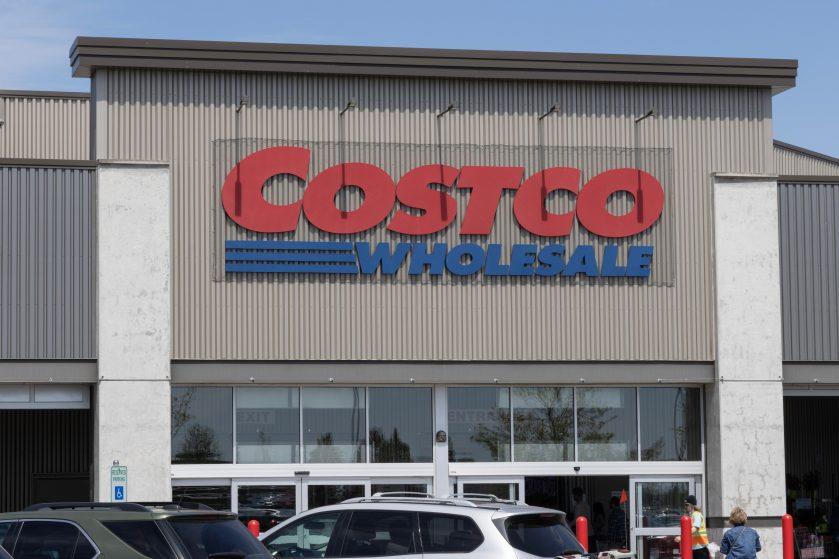
Costco Vs. Walmart: Where Is A Week Of Breakfasts Actually Cheaper?


Mornings in a busy household often start in a frantic blur, making a reliable, satisfying breakfast the most important fuel of the day. Assembling a weekly morning menu that keeps everyone full without draining your bank account requires evaluating where to buy your core staples. When pitting warehouse club bulk buying against everyday low-price retail giants, shoppers frequently wonder which option genuinely saves money. Analyzing a week of family breakfast essentials at Costco and Walmart reveals distinct pricing advantages depending on your storage space and eating habits.
The ongoing competition between these two retail behemoths hinges on packaging scale, private-label quality, and inventory flexibility. Understanding how each store prices morning favorites like eggs, milk, cereal, and coffee helps you decide where to direct your grocery funds. Examining specific breakfast categories highlights how unit pricing and volume requirements dictate your final register total.
The Bulk Power of Costco on Pantry StaplesCostco dominates morning grocery savings when your household consumes massive quantities of shelf-stable breakfast items every single week. Purchasing massive ten-pound bags of rolled oats, twin-packs of brand-name cereal, or bulk jugs of pure maple syrup yields an exceptionally low cost per ounce.
Because warehouse clubs pass volume discounts directly to paying members, staple pantry goods are nearly impossible to beat on a strict unit-price basis. However, capturing these savings requires dedicated pantry storage space and a household willing to eat the same breakfast rotation for weeks on end.
Walmart and the Advantage of Flexible QuantitiesWalmart approaches breakfast budgeting through an everyday low-price model that prioritizes single-item accessibility over massive bulk packaging. If your family enjoys rotating through different breakfast options-such as switching between frozen waffles, bagels, and eggs-buying single units prevents food monotony.
While Walmart's per-ounce price on individual cereal boxes or coffee bags is slightly higher than Costco's bulk tiers, the total cash outlay for a single shopping trip remains much lower. This flexibility prevents you from tying up excess grocery cash in inventory that your family might not finish before expiration dates hit.
Comparing Dairy, Eggs, and Perishable ProteinsPerishable morning proteins like bacon, breakfast sausage, milk, and eggs consume a major portion of any weekly breakfast budget. Costco frequently undercuts traditional supermarkets on high-grade organic eggs and large dairy blocks, but its multi-gallon milk packs or four-pound bacon bundles require careful refrigeration management.
Walmart offers smaller, individual packaging tiers on perishables, allowing smaller households to purchase precisely what they need for a single week. If your family can polish off a bulk carton of eggs or multi-pack butter before spoilage occurs, Costco wins on pure unit cost. Otherwise, Walmart prevents the hidden financial loss of discarded spoiled food.
Membership Fees and Upfront Financial HurdlesEvaluating the true breakfast economy between these two retail giants also requires factoring in the barrier of annual membership fees required by warehouse clubs. To make Costco genuinely cheaper for morning meals, your cumulative annual savings on breakfast goods and household items must surpass the cost of membership.
Walmart requires no upfront subscription fee, allowing shoppers to walk in and purchase a single box of cereal or gallon of milk at a competitive baseline price. For families operating on a tight fortnightly paycheck where cash flow fluctuates, avoiding membership fees offers vital financial breathing room.
Smart Shopping and Family Budgeting StrategiesDeciding whether Costco or Walmart is cheaper for your weekly breakfast routine ultimately depends on your household size and storage capacity. If you feed a large family that clears out bulk oats, eggs, and coffee rapidly, Costco's warehouse pricing delivers unbeatable long-term value. If you prefer smaller receipts, lower inventory risk, and diverse weekly menus without subscription overhead, Walmart remains the more practical choice. Matching your shopping destination to your actual consumption patterns keeps your morning routine delicious and affordable.
Which grocery retailer do you rely on most heavily to stock your family's morning breakfast station?
What To Read NextWhich Store Has the Cheapest Breakfast? We Compare the Cost of 10 Basic Restaurants
Big Boy Is Giving Seniors Free Breakfast Friday - Here's Who Qualifies
Cheap Breakfast Meal Prep for Busy School Mornings
10 Best Items to Buy for a Heart Healthy Breakfast
Holiday Breakfast Trends That Quietly Drive Up Grocery Bills

Legal Disclaimer:
MENAFN provides the
information “as is” without warranty of any kind. We do not accept any
responsibility or liability for the accuracy, content, images, videos,
licenses, completeness, legality, or reliability of the information
contained in this article. If you have any complaints or copyright issues
related to this article, kindly contact the provider above.
Comments
No comment