

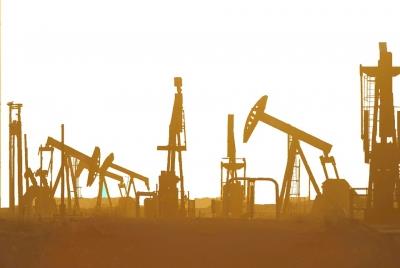
OPEC+ Cartel Agrees To Keep Oil Production Steady In November


The decision was taken by the seven core members of the OPEC oil cartel, including Saudi Arabia, Russia, Iraq, Kuwait, Algeria, Kazakhstan, and Oman.
Oil prices fell on Friday after the Group of 7 nations agreed to US President Donald Trump's request to release diesel reserves. However, the global benchmark Brent crude has soared past the $100 a barrel mark, compared with $73 before the Middle East conflict broke out at the end of February this year.
Last month, the OPEC+ cartel maintained a status quo on its oil production for October. The seven OPEC+ countries plan to draw up a new agreement on quotas to be allocated to each member before they decide on their next output targets. The oil cartel had previously announced additional voluntary adjustments in April and November 2023.
The OPEC+ on August 2 approved an increase in its crude production quota by around 188,000 barrels per day from September, which restores the earlier production cuts that were rolled out by the oil cartel in 2023. The decision to increase production was taken by the seven key OPEC+ producers.
However, the decision of OPEC+ to increase production has a limited impact on global oil supplies as the Middle East conflict continues to disrupt oil and gas exports as the Strait of Hormuz, through which 20 per cent of the world's oil and gas exports transit, remains choked. Consequently, higher production quotas do not automatically translate into more oil reaching global buyers.
Matters have taken a turn for the worse with the Iran-backed Houthi rebels capturing the area in Yemen around the Red Sea coast, which has further disrupted tanker movement through the Suez Canal route.
Higher official quotas do not necessarily mean that producers can actually deliver the additional crude. Russia is facing pressure on its oil industry after repeated Ukrainian drone attacks striking deep into Russian territory to hit energy infrastructure. The country's production is currently around 9 million barrels per day, below its OPEC+ target of about 9.8 million barrels per day.
The UAE's exit from the OPEC+ group in May has added another layer of uncertainty. Its departure followed years of frustration over production cuts and has raised questions about how much longer OPEC+ members will remain willing to accept coordinated limits.

Legal Disclaimer:
MENAFN provides the
information “as is” without warranty of any kind. We do not accept any
responsibility or liability for the accuracy, content, images, videos,
licenses, completeness, legality, or reliability of the information
contained in this article. If you have any complaints or copyright issues
related to this article, kindly contact the provider above.
Comments
No comment