


Made Money From A Side Hustle In 2026? Don't Confuse A 1099-K With What You Actually Owe The IRS


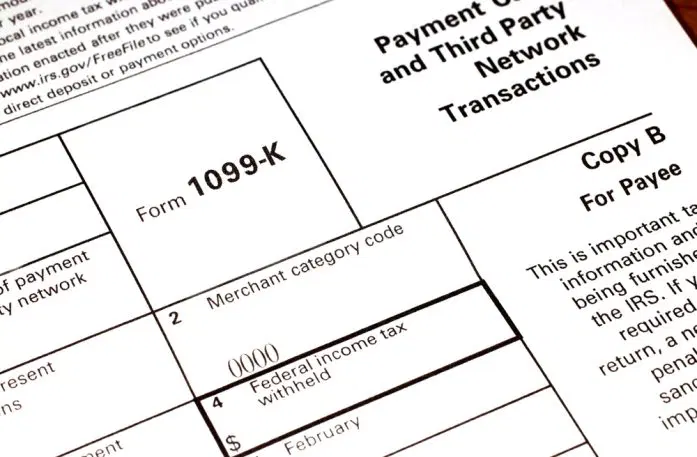
A 1099-K can make a profitable side hustle look more lucrative than it really was. If payment apps, online marketplaces, or gig platforms report thousands of dollars in transactions, that figure does not automatically represent taxable profit or the amount owed to the IRS.
This matters for anyone selling handmade goods, flipping furniture, freelancing, or accepting payments through digital platforms. A payment report tracks transactions, while your tax return must account for what you earned, which expenses qualify, and what the transactions actually involved. Confuse those figures, and you could overstate your income, overlook a tax obligation, or miss deductions you legitimately qualify for.
The Number on Your 1099-K Tells Only Part of the StoryForm 1099-K reports certain payments processed through third-party settlement organizations and payment cards. Platforms may send the form to the IRS and the recipient when applicable reporting requirements apply. The reported amount generally reflects gross payments, not the profit left after expenses.
Consider a hypothetical online seller who receives $8,000 through a marketplace during the year. That figure might include $5,000 from handmade products, $1,500 from selling personal belongings, and $1,500 in refunded transactions or other adjustments. The seller cannot simply treat the entire amount as business profit without examining the underlying transactions.
The platform's reporting figure may also exclude or handle certain adjustments differently from the seller's own records. Fees, shipping costs, refunds, and the original cost of merchandise can all affect the financial picture. A 1099-K supplies useful information, but it does not prepare the seller's tax return.
The first job is matching reported payments to actual transactions. That reconciliation helps separate business receipts from personal sales, refunds, transfers, and other amounts that require different treatment.
Business Expenses Can Change the Taxable AmountA side hustle's revenue rarely tells the whole financial story. Someone who earns money repairing bicycles, for example, might buy replacement parts, pay marketplace fees, purchase business supplies, and cover shipping costs. Eligible ordinary and necessary business expenses can reduce the profit that the business reports to the IRS.
For a sole proprietor, Schedule C generally captures business income and deductible expenses. The resulting net profit, rather than the raw payment total, helps determine the business's contribution to taxable income. Personal expenses do not qualify simply because the side hustle needs money.
Good records make this calculation much easier. Keep receipts, invoices, transaction histories, and statements showing platform fees and refunds. If a purchase serves both business and personal purposes, determine the business portion instead of automatically deducting the entire cost.
Consider a hypothetical freelancer who receives $6,000 through a payment platform and spends $900 on qualifying business expenses. Before considering other adjustments, the freelancer's business profit would be $5,100. That does not mean the freelancer owes $5,100 in taxes. It means the calculation starts with a more accurate measure of the money earned.
Selling Old Belongings Is Different From Running a BusinessA closet cleanout can produce a surprising payment-app total, especially when someone sells furniture, electronics, collectibles, or clothing online. Those transactions do not automatically turn the seller into a business owner, and the tax treatment depends partly on whether each item sold at a gain or a loss.
Suppose someone sells a used television for $150 after originally paying $500. The seller generally does not owe income tax on that personal sale because it produced a loss. However, the seller cannot deduct the $350 loss from other taxable income either. The reported payment may still require attention on the tax return to prevent the IRS from treating the gross amount as taxable income.
Now change the numbers. Someone buys a collectible for $200 and later sells it for $450. That $250 gain generally counts as a taxable capital gain, subject to the applicable rules. Selling several personal items can produce a mixture of gains and losses, so lumping every payment together can lead to the wrong result.
The distinction becomes more complicated if someone regularly buys goods specifically to resell for profit. That activity may constitute a business rather than occasional sales of personal belongings. Purchase records, selling patterns, and the purpose behind the transactions help establish the appropriate treatment.
A Missing 1099-K Does Not Make Income Tax-FreeSome side hustlers assume they can ignore earnings if a platform never sends a tax form. That assumption can create problems at filing time because tax-reporting obligations and information-reporting thresholds serve different purposes.
Under current IRS guidance, third-party payment networks generally must issue Form 1099-K when a recipient's payments exceed $20,000 and involve more than 200 transactions. Payment card processors follow different reporting rules, and platforms may issue forms below the threshold. Those rules determine when certain organizations must report payments, not whether the recipient owes tax.
A dog walker who receives payments directly from customers, for instance, still needs to account for taxable business income even if no payment platform reports those earnings. The same principle applies to freelance designers, tutors, repair workers, and other independent earners.
Keep records of income from every source, not just amounts that appear on tax forms. If several platforms send separate 1099-Ks, reconcile each one against the underlying transactions. Otherwise, you could accidentally count the same earnings twice or overlook payments that no platform reported.
Your Tax Bill Depends on More Than Business ProfitCalculating net profit provides a starting point, but it does not settle the entire tax bill. A profitable side hustle can affect federal income tax and, for qualifying self-employed individuals, Social Security and Medicare taxes through the self-employment tax system. Your other income, deductions, filing status, and applicable tax rules also influence the final calculation.
For eligible self-employed individuals, net earnings from self-employment of $400 or more generally trigger a filing requirement for self-employment tax. Other filing requirements may apply even below that amount. Someone with a regular job and a weekend photography business may therefore face a different overall tax result from someone who relies entirely on freelance work.
Timing also deserves attention. Side-hustle income does not necessarily arrive in neat installments that line up with annual tax filing. Depending on the circumstances, estimated tax payments may help cover income and self-employment taxes throughout the year. Waiting until filing season to examine the numbers can leave a freelancer scrambling to cover a bill that accumulated over several months.
There is no reliable way to calculate the final amount owed from a 1099-K alone. The form does not account for every deduction, other income source, or personal tax circumstance. Treating its gross figure as the tax bill makes just as little sense as assuming that no form means no tax obligation.
Build a Paper Trail Before Tax Season ArrivesA simple recordkeeping routine can prevent hours of detective work later. Download transaction histories from payment platforms, save receipts for business purchases, and track refunds, fees, and shipping costs as they occur. If you sell personal belongings, retain purchase information when available so you can establish whether a sale generated a gain or loss.
Check every 1099-K for incorrect amounts, duplicate reporting, or transactions that belong to someone else. If the form contains errors, contact the issuer to request a correction and keep supporting documentation. When a payment total includes transactions for different activities, organize the amounts by their proper tax treatment rather than forcing everything into one category.
A tax professional may help when business and personal transactions overlap, resale activity becomes regular, or several forms report complicated payment streams. The goal is not to make every small side hustle complicated. It is to keep enough information to report the activity accurately and explain the numbers if questions arise.
Let the Transactions Tell the Tax StoryA 1099-K is a reporting document, not a verdict on how much money you made or how much tax you owe. Your actual tax picture emerges from the transactions behind that number, the expenses you can substantiate, and the rules that apply to your particular activities.
That distinction matters whether your side hustle brings in a few hundred dollars or becomes a substantial second income. Track the money, separate business activity from personal sales, and avoid confusing gross payments with profit. A little organization during the year can make tax season far less confusing.
Have you received a 1099-K for side-hustle income or selling personal belongings, and did the reported amount match what you actually earned? Share your experience in the comments.

Legal Disclaimer:
MENAFN provides the
information “as is” without warranty of any kind. We do not accept
any responsibility or liability for the accuracy, content, images,
videos, licenses, completeness, legality, or reliability of the information
contained in this article. If you have any complaints or copyright
issues related to this article, kindly contact the provider above.


Comments
No comment