


Why Better Information Matters For Gulf Construction Projects


For developers and contractors working across the Gulf, information management deserves attention alongside scheduling, procurement and site supervision. Whether the project is a hotel in Dubai, an office development in Riyadh or a residential community elsewhere in the region, reliable coordination starts with a practical question: can everyone identify the information they are authorised to use?
tdi_2:not(.td-a-rec-no-translate){transform:translateZ(0)}.tdi_2 tdi_2 img{margin:0 auto 0 tdi_2_spot_img_all tdi_2_spot_img_tl tdi_2_spot_img_tp tdi_2_spot_img_mob img{border-style:none}@media tdi_2{text-align:center}} Connecting Teams Across Gulf ProjectsConsider a development involving an owner, a lead consultant, specialist designers and several subcontractors. Each organisation has its own responsibilities and working habits. Without agreed procedures, even a straightforward design change can produce several competing records: an email attachment, a marked-up PDF, a revised model and instructions recorded during a meeting.
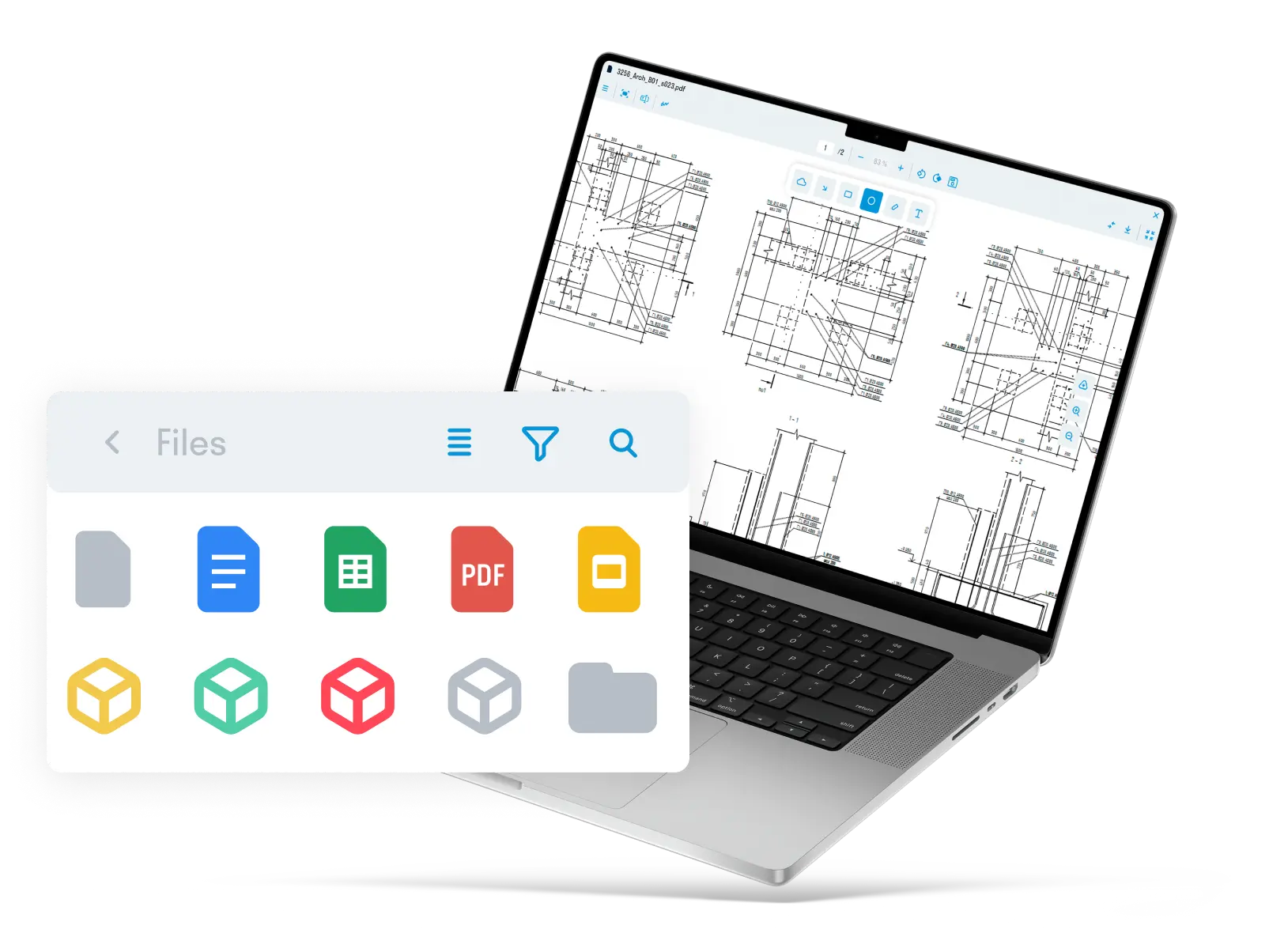
A Common Data Environment for construction management provides a shared setting for managing project documentation, with capabilities such as version comparison, comments, approval workflows and controlled access. These functions help teams review changes and manage how information moves between participants.
The operating rules are just as important as the software. Teams need to agree who uploads documents, who checks them and who authorises their release. A drawing submitted for discussion should be clearly distinguishable from one approved for construction. Otherwise, centralising files simply moves an existing coordination problem into a new location.
These arrangements should also work for smaller subcontractors. If accessing an approved drawing requires a complicated process, people may return to familiar attachments and informal messages.
Making Changes Easier to FollowConstruction decisions rarely affect only one discipline. Moving a partition may alter electrical layouts, ventilation requirements, finishes and material quantities. The immediate design adjustment might be small, but its consequences can reach procurement and installation teams.
Imagine a hotel project where a revised room layout arrives after bathroom components have been selected. Before proceeding, the team needs to establish which drawings changed, whether the specification remains suitable and who must review the consequences. Circulating the latest file answers only part of that problem.
A useful change record connects the revision to its reason, responsible reviewer and approval status. It should also make outstanding questions visible. This gives project managers a clearer basis for deciding whether work can continue or whether a particular activity needs to wait.
Keeping that record does not remove the need for professional judgement. It gives the people making decisions a more consistent starting point and makes earlier discussions easier to reconstruct.
Measuring More Than UploadsDigital adoption is often described through activity: how many documents were uploaded, how many accounts were created or how frequently users logged in. These figures can show participation, but they reveal little about whether coordination has improved.
More useful measures focus on the work itself. How long do submissions wait for review? How many are returned because required information is missing? How often does a site team request clarification about document status?
Managers should interpret these measures carefully. A slow approval might reflect an overloaded reviewer, an incomplete submission or a genuine technical issue. Treating every delay as the same problem can encourage rushed decisions without addressing the underlying cause.
A practical starting point is one repeatable workflow, such as drawing approval. Establish a baseline, agree responsibilities and review the results over several reporting periods. Expand the approach once the team understands which changes are helping.
Preparing for Life After HandoverInformation management also affects the transition from construction to operation. A building owner needs records that describe the completed asset, including relevant drawings, equipment information and maintenance documentation.
Leaving those requirements until the closing weeks creates avoidable pressure. Instead, the delivery team should agree early what the operator needs, how records will be organised and who will check their completeness.
Access and export arrangements deserve the same attention. Owners should understand how they will retrieve and retain project information when contractors leave or software subscriptions change. A successful handover depends on records remaining understandable and usable beyond the original delivery team.
For Gulf construction businesses, better information management starts with consistent working practices. Clear document status, defined responsibilities and traceable decisions give teams a stronger basis for coordinating daily work. Technology supports those practices; their value becomes visible when people can act with fewer unanswered questions.

Legal Disclaimer:
MENAFN provides the
information “as is” without warranty of any kind. We do not accept
any responsibility or liability for the accuracy, content, images,
videos, licenses, completeness, legality, or reliability of the information
contained in this article. If you have any complaints or copyright
issues related to this article, kindly contact the provider above.


Comments
No comment