


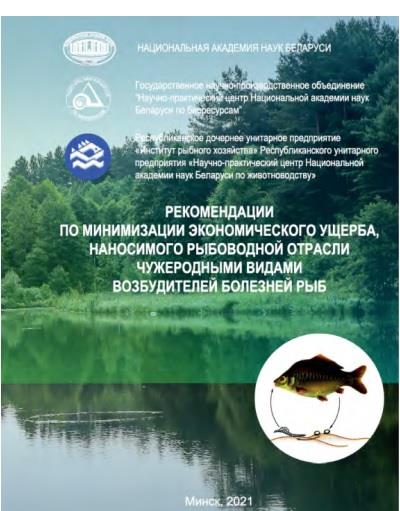
Recommendations For Minimizing Economic Damage Caused To The Fish Farming Industry By Alien Fish Diseases


(MENAFN- RCTT)
The Scientific and Practical Center for Bioresources offers services to consumers n the use of Recommendations on minimizing economic damage caused to the fish farming industry by non-native fish pathogens-intended for fish farm practitioners-under an outsourcing agreement and/or subcontracting and is looking for partners to conclude a distribution services agreement.
Description
The introduction and adaptation of non-native (invasive) pathogen species in aquaculture represent one of the most critical threats to the biosecurity of modern fish farming. Implementing science-based recommendations helps minimize direct production losses, prevent the degradation of native fish communities, and maintain business profitability.
The emergence of non-native pathogens (bacteria, viruses, invasive helminths) is most often linked to the uncontrolled importation of introduced fish species, the acclimatization of new species, and global climate change.
Importance and relevance of implementation:
. Significant economic damage: Non-native pathogens pose a danger because local fish species lack natural immunity to them. This leads to mass mortality, reduced growth rates, loss of breeding value, and a decline in the fish's market quality.
. Biological contamination: Invasive pathogens rapidly colonize new hosts among native fish species, creating persistent natural infection reservoirs that are virtually impossible to eradicate in natural water bodies.
. Restrictions on sales and exports: The detection of quarantine-listed non-native diseases results in the imposition of strict veterinary restrictions on the facility, prohibiting the shipment and sale of products.
Scope of application:
The developed algorithms and methodological guidelines are universal and applicable in the following contexts:
1. Pond and industrial fish farms (aquaculture): to protect market-ready stocks and broodstock.
2. State veterinary services: to develop regulatory veterinary-sanitary rules governing the movement of aquatic organisms. 3. By environmental organizations-when planning fish stocking and species introduction programs for natural water bodies with the aim of preserving biodiversity.
The recommendations developed by the Scientific and Practical Center for Bioresources to minimize the economic damage caused to the fish farming industry by non-native fish pathogens are intended for practitioners at fish farming enterprises. Their implementation will help reduce losses due to parasitic diseases, lower the costs of anti-epizootic measures, and improve the epizootic situation at fish farms across all stages of fish rearing.
This information is included in the catalog "Brands of the National Academy of Sciences of Belarus 2021–2022: A List of Key Developments of the National Academy of Sciences of Belarus" (pp. 176–177). Advantages and Innovations These recommendations present, for the first time, a comprehensive set of fish-farming and biological measures designed to prevent the spread of invasive and infectious fish diseases in both aquaculture facilities and natural commercial water bodies. In terms of quality and competitiveness, this development meets international market demands and constitutes an export product optimized for specific export regions. Stage of development Already on the market Funding source State budged
Internal
IPR status Exclusive rights
Secret know-how
Comments regarding IPS status Service-providing organizations.
State Scientific and Production Association "Scientific and Practical Center for Bioresources of the National Academy of Sciences of Belarus"; Republican Subsidiary Unitary Enterprise "Institute of Fisheries" of the Republican Unitary Enterprise "Scientific and Practical Center for Livestock Husbandry of the National Academy of Sciences of Belarus." Sector group Agrofood
Environment
Tourism and Cultural Heritage
Client information Type R&D institution Year established 2007 NACE keywords A.01.61 - Support activities for crop production
A.01.62 - Support activities for animal production
M.72.11 - Research and experimental development on biotechnology
M.72.19 - Other research and experimental development on natural sciences and engineering
M.74.90 - Other professional, scientific and technical activities n.e.c.
Turnover (in EUR) 10-20M Already engaged in transnational cooperation Yes Additional comments The State Scientific and Production Association "Scientific and Practical Center for Bioresources of the National Academy of Sciences of Belarus" is the country's leading organization providing scientific support for state environmental policy regarding the conservation and sustainable use of flora, fauna, natural communities, and ecosystems, as well as scientific and technical support for the conservation and utilization of biodiversity and bioresources-assets recognized as the national heritage of the Republic of Belarus.
The Center participates in European projects involving international technical assistance and cross-border cooperation in the fields of biotechnology and ecology. It serves as the National Contact Point for the European Union's "Horizon 2020" Framework Programme for Research and Innovation (specifically the "Climate Action, Environment, Resource Efficiency and Raw Materials" section) and supports the Convention on International Trade in Endangered Species of Wild Fauna and Flora (CITES).
Key areas of activity include:
- comprehensive study and scientific support for the conservation and sustainable use of natural biological resources;
- assessment of the status and dynamics of biodiversity, natural complexes, and ecosystems;
- scientific support for the establishment, operation, and development of the system of specially protected natural areas and the national ecological network;
- development of measures to mitigate the negative impact of invasive species and to manage the populations of agricultural, forestry, and game pests.
Official website of the Scientific and Practical Center for Bioresources. Languages spoken English
Russian
Information about partnership Type of partnership considered Distribution services agreement
Outsourcing agreement
Subcontracting
Type and role of partner sought Consumers interested in purchasing services involving the use of "Recommendations for Minimizing Economic Damage Caused to the Fish Farming Industry by Alien Fish Pathogens" (intended for fish farm practitioners) under outsourcing agreements and/or subcontracting.
Partners interested in purchasing services involving the use of "Recommendations for Minimizing Economic Damage Caused to the Fish Farming Industry by Alien Fish Pathogens" (intended for fish farm practitioners) under distribution services agreements. Type and size of partner sought > 500
251-500
SME 51-250
SME 11-50
SME <= 10
R&D Institution
University
Sole proprietor
The emergence of non-native pathogens (bacteria, viruses, invasive helminths) is most often linked to the uncontrolled importation of introduced fish species, the acclimatization of new species, and global climate change.
Importance and relevance of implementation:
. Significant economic damage: Non-native pathogens pose a danger because local fish species lack natural immunity to them. This leads to mass mortality, reduced growth rates, loss of breeding value, and a decline in the fish's market quality.
. Biological contamination: Invasive pathogens rapidly colonize new hosts among native fish species, creating persistent natural infection reservoirs that are virtually impossible to eradicate in natural water bodies.
. Restrictions on sales and exports: The detection of quarantine-listed non-native diseases results in the imposition of strict veterinary restrictions on the facility, prohibiting the shipment and sale of products.
Scope of application:
The developed algorithms and methodological guidelines are universal and applicable in the following contexts:
1. Pond and industrial fish farms (aquaculture): to protect market-ready stocks and broodstock.
2. State veterinary services: to develop regulatory veterinary-sanitary rules governing the movement of aquatic organisms. 3. By environmental organizations-when planning fish stocking and species introduction programs for natural water bodies with the aim of preserving biodiversity.
The recommendations developed by the Scientific and Practical Center for Bioresources to minimize the economic damage caused to the fish farming industry by non-native fish pathogens are intended for practitioners at fish farming enterprises. Their implementation will help reduce losses due to parasitic diseases, lower the costs of anti-epizootic measures, and improve the epizootic situation at fish farms across all stages of fish rearing.
This information is included in the catalog "Brands of the National Academy of Sciences of Belarus 2021–2022: A List of Key Developments of the National Academy of Sciences of Belarus" (pp. 176–177). Advantages and Innovations These recommendations present, for the first time, a comprehensive set of fish-farming and biological measures designed to prevent the spread of invasive and infectious fish diseases in both aquaculture facilities and natural commercial water bodies. In terms of quality and competitiveness, this development meets international market demands and constitutes an export product optimized for specific export regions. Stage of development Already on the market Funding source State budged
Internal
IPR status Exclusive rights
Secret know-how
Comments regarding IPS status Service-providing organizations.
State Scientific and Production Association "Scientific and Practical Center for Bioresources of the National Academy of Sciences of Belarus"; Republican Subsidiary Unitary Enterprise "Institute of Fisheries" of the Republican Unitary Enterprise "Scientific and Practical Center for Livestock Husbandry of the National Academy of Sciences of Belarus." Sector group Agrofood
Environment
Tourism and Cultural Heritage
Client information Type R&D institution Year established 2007 NACE keywords A.01.61 - Support activities for crop production
A.01.62 - Support activities for animal production
M.72.11 - Research and experimental development on biotechnology
M.72.19 - Other research and experimental development on natural sciences and engineering
M.74.90 - Other professional, scientific and technical activities n.e.c.
Turnover (in EUR) 10-20M Already engaged in transnational cooperation Yes Additional comments The State Scientific and Production Association "Scientific and Practical Center for Bioresources of the National Academy of Sciences of Belarus" is the country's leading organization providing scientific support for state environmental policy regarding the conservation and sustainable use of flora, fauna, natural communities, and ecosystems, as well as scientific and technical support for the conservation and utilization of biodiversity and bioresources-assets recognized as the national heritage of the Republic of Belarus.
The Center participates in European projects involving international technical assistance and cross-border cooperation in the fields of biotechnology and ecology. It serves as the National Contact Point for the European Union's "Horizon 2020" Framework Programme for Research and Innovation (specifically the "Climate Action, Environment, Resource Efficiency and Raw Materials" section) and supports the Convention on International Trade in Endangered Species of Wild Fauna and Flora (CITES).
Key areas of activity include:
- comprehensive study and scientific support for the conservation and sustainable use of natural biological resources;
- assessment of the status and dynamics of biodiversity, natural complexes, and ecosystems;
- scientific support for the establishment, operation, and development of the system of specially protected natural areas and the national ecological network;
- development of measures to mitigate the negative impact of invasive species and to manage the populations of agricultural, forestry, and game pests.
Official website of the Scientific and Practical Center for Bioresources. Languages spoken English
Russian
Information about partnership Type of partnership considered Distribution services agreement
Outsourcing agreement
Subcontracting
Type and role of partner sought Consumers interested in purchasing services involving the use of "Recommendations for Minimizing Economic Damage Caused to the Fish Farming Industry by Alien Fish Pathogens" (intended for fish farm practitioners) under outsourcing agreements and/or subcontracting.
Partners interested in purchasing services involving the use of "Recommendations for Minimizing Economic Damage Caused to the Fish Farming Industry by Alien Fish Pathogens" (intended for fish farm practitioners) under distribution services agreements. Type and size of partner sought > 500
251-500
SME 51-250
SME 11-50
SME <= 10
R&D Institution
University
Sole proprietor

Legal Disclaimer:
MENAFN provides the
information “as is” without warranty of any kind. We do not accept
any responsibility or liability for the accuracy, content, images,
videos, licenses, completeness, legality, or reliability of the information
contained in this article. If you have any complaints or copyright
issues related to this article, kindly contact the provider above.


Comments
No comment