


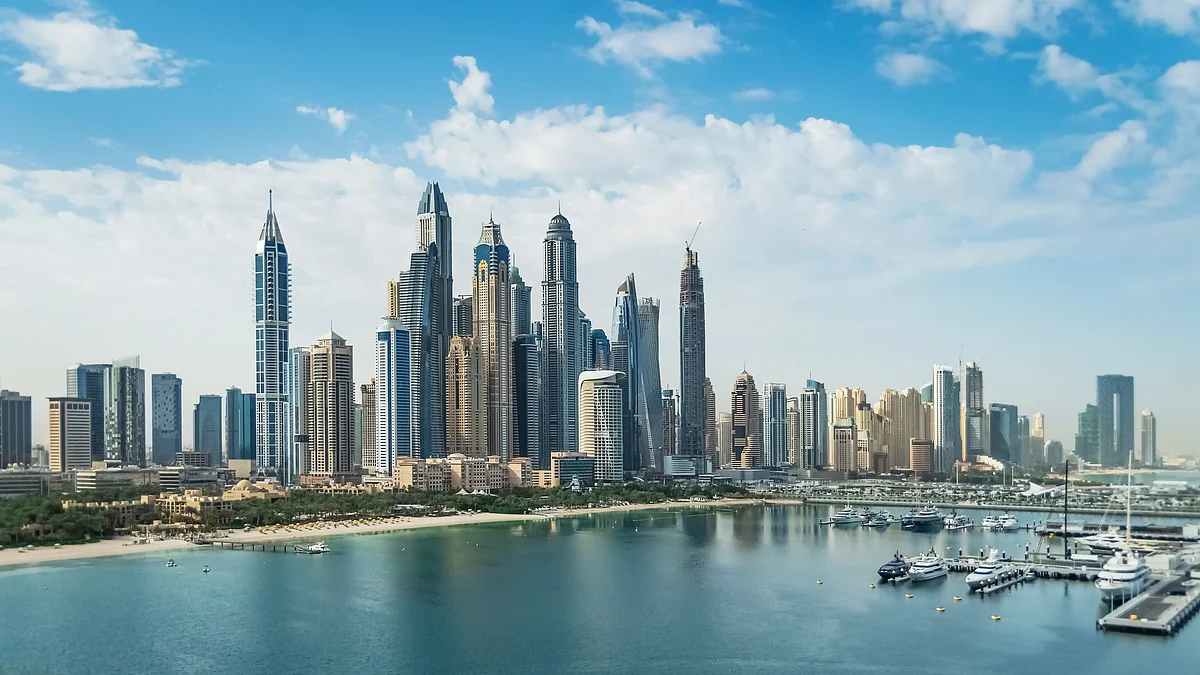
Will Monthly Rent Become The New Norm In Dubai?


Now, that long-standing way of paying rent is starting to change. In June, Dubai Land Department launched its Flexi Rent initiative, allowing participating property companies to offer monthly, quarterly and semi-annual payment plans.
Recommended For YouThe programme is voluntary, but gives tenants more choice over how they spread their rent payments through the year.
Another development could take this further. A Rent Now, Pay Later service would allow eligible tenants to spread their annual rent across as many as 12 months at zero interest. Under the proposed model, a partner bank would pay the landlord upfront, while the tenant repays the amount in instalments. Final details, including eligibility and any additional fees, have yet to be officially announced.
Dubai's rental market remains substantial, with rental contracts worth Dh32.2 billion recorded in the first quarter of 2026 alone. As the market grows, how tenants pay their rent is becoming increasingly important too. For tenants, it is not only the annual cost of a home that matters, but also how that cost is spread across the year.
The traditional cheque system is unlikely to disappear anytime soon. But with monthly and other flexible payment options becoming more common, tenants could have far more choice in how they pay for their homes.
Monthly Rent Gains Ground
Demand for more flexible payment options is growing, particularly among tenants who are used to managing their expenses on a monthly basis.
Ali Al Marzooqi, Vice-President - Property and Community Management at Deyaar, said the one-to-four-cheque model remains widely used, but tenants are increasingly looking for more choice in how they manage one of their largest household expenses.
“Part of this comes down to changing expectations. Dubai continues to attract professionals, families and newcomers from around the world, many of whom are accustomed to managing major expenses monthly,” he said.
“Paying rent in the same way can make budgeting considerably easier, particularly compared with setting aside a large amount for one or several cheques.”
The move towards digital rental processes is also making it easier for landlords and property managers to offer different ways to pay. Deyaar, for instance, already accepts credit card payments, bank transfers and cash deposits, and is working with banking partners to introduce a direct debit option.
“Monthly payments are still developing as a model, and the traditional cheque system remains deeply established,” Al Marzooqi said.“However, I believe the market will continue moving towards greater choice, with payment flexibility becoming a more important part of the overall rental experience.”
Rashed Hareb, Co-Founder and CEO of Rentify, is also seeing growing demand for flexibility, particularly among young professionals, new arrivals and families with larger rental commitments.
“Tenants now expect rent to work the way the rest of their finances do: monthly, digital and on the payment method they prefer,” Hareb said.
“The one-to-four-cheque model is still the market default but demand for flexibility is growing quickly.”
He added that landlords and property managers are becoming more open to flexible terms when payment systems can reduce the risk involved.
“The question is no longer whether flexibility is coming. It is how quickly the market adopts the tools that make it simple for everyone,” Hareb said.
Making Rent Easier to Manage
Monthly payments do not bring down the annual rent, but spreading the cost across the year could reduce the pressure of paying a large amount upfront.
Al Marzooqi said this can be particularly useful for families, professionals and people moving to Dubai, who may already be dealing with deposits, moving costs and other expenses when renting a home.
“Monthly payments do not reduce the annual cost of rent, but they can make that cost significantly easier for tenants to manage,” he said.
“Spreading rent across 12 months allows tenants to manage housing costs alongside their monthly income and other regular expenses.”
He added that affordability is not simply about the headline rental price, particularly when housing accounts for a large share of household spending.
“How and when rent is paid can have a significant impact on household finances. Giving tenants more choice in how they structure those payments can make renting more manageable,” Al Marzooqi said.
Hareb agreed that the main pressure for many tenants comes from having to pay a large portion of their annual rent at once.“Monthly payments turn a heavy lump sum into a predictable, manageable commitment that matches how people are paid,” he said.“This frees up savings, reduces reliance on short-term borrowing and gives tenants access to better homes without draining their reserves.”
Hareb added that this has become more relevant as rents have risen across Dubai, while monthly payment models can allow landlords to continue receiving rent according to the agreed schedule.
What It Means for Landlords
For landlords, one of the main considerations is certainty over payments. While more flexible terms could attract a wider pool of tenants, owners will still want to know that rent will be paid on time.
Al Marzooqi said this is one reason the one-to-four-cheque model has remained common in Dubai, as it gives landlords greater certainty over their rental income and fewer payments to manage.
“Tenants who are able to pay in fewer cheques may therefore continue to be in a stronger position when negotiating,” he said.“Some landlords will naturally see value in receiving a larger portion of the annual rent upfront and may be willing to offer a better rate in return.”
At the same time, he said offering monthly payments could help landlords attract and retain tenants, particularly those who can afford the annual rent but would rather not pay a large amount upfront.
Hareb said landlords have traditionally been cautious about monthly payments because of the collection risk and additional administration involved.
“Landlords want three things: certainty, speed and less admin,” he said.“That concern disappears when a platform guarantees payment on the landlord's terms and automates collection.”
With those concerns addressed, Hareb said landlords could offer monthly payments while still retaining the option to provide different terms for tenants willing to pay in fewer cheques.
“Flexibility and landlord incentives can work together,” he said.
“The strongest owners will offer both, letting tenants choose while the landlord's cash flow stays fully protected.”
A More Digital Rental Market
Monthly digital rent payments are expected to become more common as Dubai's rental market moves towards greater choice in how tenants pay, although the cheque-based system is unlikely to disappear anytime soon.
Al Marzooqi believes the market is already moving in that direction as more everyday payments and services become digital.
“There is a practical reason for this shift. Monthly payments are closer to the way most people receive their salaries and manage household expenses,” he said.“For tenants, this can make budgeting easier and reduce the pressure of preparing for several large payments during the year. For landlords and property managers, digital systems can make collections simpler and provide a clear record of payments.”
At the same time, he expects cheques to remain an important part of the rental market.“The one-to-four-cheque model is well established in Dubai and continues to work for many landlords and tenants. There will also remain tenants who prefer fewer payments, particularly where this gives them more room to negotiate on rent,” Al Marzooqi said.
Rather than one system replacing the other, he expects tenants to have more ways to pay.
“What will change is the amount of choice available. Rather than the market moving from one payment model to another, tenants will increasingly expect different options depending on their circumstances,” he said.
“As digital payment options become easier to use and more widely accepted, I expect monthly rent to move from being an alternative towards becoming a normal part of Dubai's rental market.”
Hareb similarly expects monthly digital rent payments to become mainstream over the next few years, with cheques continuing to play a role during the transition.
“Dubai leads the world in digital government services, cashless payments and real estate innovation and rent is the natural next step,” he said.“Cheques will remain part of the market during the transition and that is healthy.”
For Hareb, the bigger change will be the range of options available across the market.“What changes is choice: tenants will pay the way they live, landlords will receive guaranteed income with full visibility and investors and developers will gain stronger occupancy and better data on their assets,” he added.
ALSO READ- Why some Dubai tenants will move to bigger homes this year Dubai FlexiRent: Can every tenant pay rent monthly? Eligibility, benefits explained Dubai tenants move homes as new leases offer rents up to 15% lower

Legal Disclaimer:
MENAFN provides the
information “as is” without warranty of any kind. We do not accept
any responsibility or liability for the accuracy, content, images,
videos, licenses, completeness, legality, or reliability of the information
contained in this article. If you have any complaints or copyright
issues related to this article, kindly contact the provider above.


Comments
No comment