


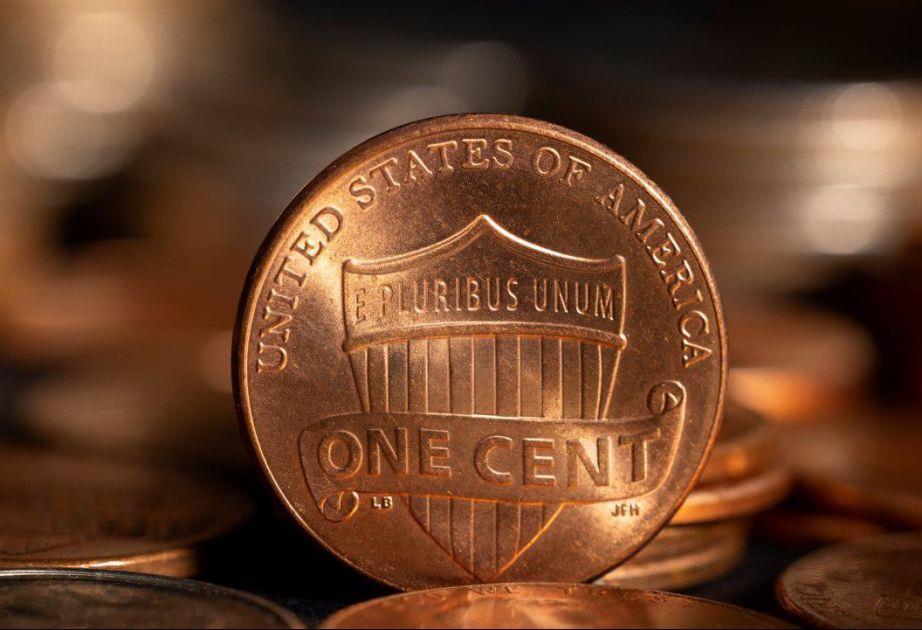
U.S. Suspends 1-Cent Coin Production


A bill that would officially end the production of the one-cent coin in the United States has been sent to President Donald Trump for approval.
The U.S. Congress has approved legislation that would bring an end to the production of the penny, a coin that has been part of everyday American life for more than 220 years. If President Trump signs the bill, the United States will officially stop producing new one-cent coins.
The move is expected to save the government approximately $56 million a year. One of the main reasons behind the decision is the rising cost of producing the coin. Over the past decade, the cost of making a penny has increased from about 1.42 cents to 3.69 cents - meaning that producing a one-cent coin now costs the government significantly more than its face value.
The U.S. Mint stopped producing one-cent coins for circulation in November 2025, with the final coins being issued at that time. Officials said the decision was based on declining demand as well as the growing cost of production.
The penny has a surprisingly long history in the United States. It has been in circulation since the late 18th century and has gone through numerous changes in design and composition. For many Americans, however, the penny has become more of a symbol than a useful form of currency, as its purchasing power has steadily declined.
The decision could also have an effect on everyday cash transactions. If pennies are no longer available, cash purchases may eventually be rounded to the nearest five cents, while electronic payments would continue to be made to the exact cent.

Legal Disclaimer:
MENAFN provides the
information “as is” without warranty of any kind. We do not accept
any responsibility or liability for the accuracy, content, images,
videos, licenses, completeness, legality, or reliability of the information
contained in this article. If you have any complaints or copyright
issues related to this article, kindly contact the provider above.


Comments
No comment