


Higher Fuel Costs Lift Polish Inflation To 4%


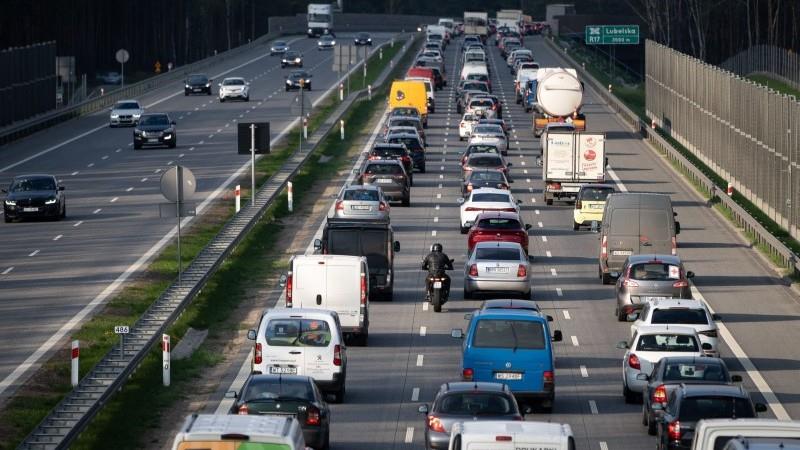
According to the flash estimate, Poland's CPI inflation increased to 4.0% YoY in September (ING: 4.2%; consensus: 4.1%) from 3.4% YoY in August. The rise in inflation was primarily driven by fuel prices, which increased by 9.2% MoM (36.1% YoY), as at the beginning of September, the standard 23% VAT rate on fuel was reinstated after its temporary reduction to 8% in the second half of August, and crude oil prices rose on global markets.
As expected, food price trends are beginning to shift. Food prices increased by 0.1% MoM in September following month-on-month declines in the previous four months. We estimate that core inflation excluding food and energy fell to around 3.0-3.1% YoY in September from 3.3% YoY in August. This suggests that the energy shock has not yet generated broad-based upward pressure on the prices of other goods and services.
Poland's inflation is well above targetCPI and its sources, %YoY, perc. points.
Source: GUS, ING.">The inflation acceleration in the Polish economy is mainly driven by the energy shock. In September, the increase in retail fuel prices contributed nearly 2 percentage points to annual consumer price inflation. This is the main reason why inflation is now clearly above the upper bound of the permitted fluctuation range around the National Bank of Poland's (NBP) 2.5% target of +/- 1 percentage point.
Inflation is likely to remain above 4% in the coming months. Persistently high energy prices create a risk that cost pressures will spill over more broadly across the economy. For instance, the beginning of 2027 may bring increases in regulated prices, particularly natural gas tariffs. However, this pass-through should be constrained by demand conditions, slowing wage growth and pressure on real disposable incomes.
The inflation outlook has deteriorated since NBP's July inflation projection. The November projection, based on a higher starting point and less favourable assumptions for crude oil prices, is likely to show inflation remaining elevated for longer and returning more slowly to the central bank's target. As a result, the Monetary Policy Council (MPC) may begin discussions on potential monetary policy tightening as early as November.
Our current baseline scenario assumes 50bp of rate hikes in early 2027, as a prolonged period of inflation above the upper bound of the NBP's tolerance band is likely to require some monetary policy tightening to mitigate the risk of broader price pressure. Other central banks have also adopted a more hawkish stance, either hiking interest rates or signalling further increases, both in major economies – including the Federal Reserve, the European Central Bank and the Bank of Canada – and in the CEE region, notably the Czech National Bank.

Legal Disclaimer:
MENAFN provides the
information “as is” without warranty of any kind. We do not accept
any responsibility or liability for the accuracy, content, images,
videos, licenses, completeness, legality, or reliability of the information
contained in this article. If you have any complaints or copyright
issues related to this article, kindly contact the provider above.


Comments
No comment