


Energy Shock Sends Italian Inflation Sharply Higher


Istat's preliminary estimate puts national consumer price inflation at 4.2% year-on-year, up from 3.3% in August, which is higher than expected. Harmonised inflation rose to 4.1% YoY from 3.2%, with the 2.0% monthly rise also reflecting the end of the summer sales.
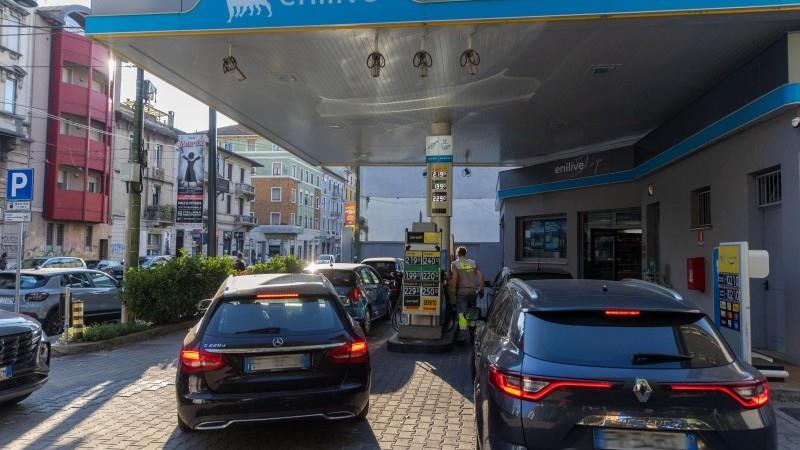
Energy prices push inflation above 4%The renewed acceleration was overwhelmingly energy-driven. Energy inflation rose to 22.3% from 17.1% as prices rose sharply across both regulated and non-regulated components. Regulated energy inflation reached 25.9%, led by a sharp rise in protected-market gas prices, while non-regulated energy rose by 22.2%, reflecting sizeable increases in motor fuels, heating oil, free-market gas and electricity.
Food inflation also strengthened to 1.8% from 1.0%, entirely because of unprocessed food, which accelerated to 5.5% from 3.8%. This pushed inflation in the 'shopping basket' of food and everyday household and personal-care products to 1.7% from 0.9%. By contrast, processed food prices were still slightly lower than a year earlier. Services inflation edged up more moderately, to 2.6% from 2.4%, with firmer recreational, personal-care and transport services. For the time being, the services domain, more directly affected by wage costs, is not showing evidence of emerging second-round effects.
The composition is less alarming than the headline suggests, but not entirely benignCore inflation excluding energy and fresh food rose only modestly, to 1.7% from 1.5%, and inflation excluding energy stood at 2.0%. The September spike therefore looks mainly like a fresh energy shock rather than a broad-based resurgence in domestic price pressures. Even so, the rise in high-frequency purchases to 5.3% will make the inflation rebound particularly visible to households and could weigh on real purchasing power.
Istat's acquired inflation rate for 2026 now stands at 3.1% for the headline index, while remaining at 1.9% for core inflation. Taking into account that more increases will follow protected energy bills starting from October, headline inflation will likely remain above the 4% mark over the last quarter of 2026, pushing average 2026 inflation to 3%, our new base case.

Legal Disclaimer:
MENAFN provides the
information “as is” without warranty of any kind. We do not accept
any responsibility or liability for the accuracy, content, images,
videos, licenses, completeness, legality, or reliability of the information
contained in this article. If you have any complaints or copyright
issues related to this article, kindly contact the provider above.


Comments
No comment