


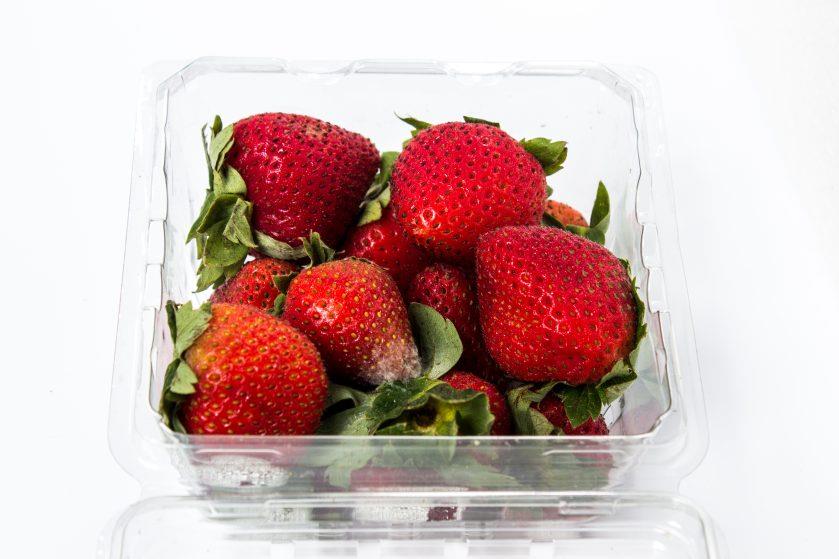
Your Strawberries Molded 2 Days After You Bought Them - Should The Grocery Store Refund You?


Strolling through the produce aisle and selecting a vibrant, translucent clamshell of fresh strawberries feels like a healthy victory for your weekly grocery basket. Yet, opening your refrigerator just forty-eight hours later often reveals a devastating surprise: a fuzzy white and green carpet of mold overtaking the fruit. Finding yourself forced to throw away expensive berries after only two days sparks immediate frustration and prompts questions about store accountability. Examining retail refund policies and produce handling guidelines clarifies whether you deserve your money back.
The rapid decay of delicate berries stems from high moisture levels, microscopic fungal spores, and temperature shifts during transport and home storage. Understanding how supermarkets handle produce quality guarantees empowers consumers to advocate for fair exchanges without feeling awkward at customer service desks. Exploring these retail policies ensures your household budget remains protected against premature food spoilage.
Understanding Supermarket Produce Return PoliciesMost major grocery chains maintain customer satisfaction guarantees that explicitly cover perishable fresh produce, including delicate berries and leafy greens. If a newly purchased item spoils prematurely due to internal quality flaws, standard corporate policy usually entitles you to a full refund or a direct product replacement. Supermarket managers recognize that selling subpar fruit damages customer trust, making them generally accommodating when you return defective items promptly.
However, successfully securing a refund or store credit requires adhering to specific store rules regarding receipt retention and physical product presentation. Returning an empty plastic clamshell without the remaining spoiled fruit or waiting an entire week to report the issue often leads to claim denials. Knowing your preferred retailer's specific return window prevents wasted trips to the customer service counter.
The Evidence Required for a Successful Produce RefundGrocery store customer service desks handle thousands of daily transactions, meaning staff members require reasonable proof before approving perishable produce refunds. Saving your original paper register receipt or digital loyalty barcode transaction history serves as the primary validation for your purchase claim.
Additionally, bringing the spoiled clamshell back to the store or presenting a clear photograph of the moldy fruit prevents disputes over product origin. Providing these simple pieces of evidence demonstrates that your request is legitimate and ensures a swift, hassle-free resolution from store personnel.
Why Berries Spoil So Quickly After PurchaseUnderstanding the underlying biology of strawberries explains why they often break down rapidly even when purchased with pristine visual appearances. Strawberries possess highly porous skins and lack protective rinds, making them exceptionally vulnerable to Botrytis cinerea, a common fungus known as gray mold. If a single berry inside a sealed plastic clamshell harbors microscopic fungal spores, the humid microclimate inside the container accelerates decay across neighboring fruit.
Transporting warm berries in a hot car during transit from the supermarket further accelerates moisture condensation, triggering rapid cellular breakdown. Recognizing these natural limitations highlights why early molding is often an unavoidable agricultural reality rather than outright store negligence.
Proper Home Storage Hacks to Extend Berry LifespanPreventing premature spoilage requires taking proactive storage steps the moment you unload your grocery bags onto your kitchen counters. Never wash your strawberries before storing them in the refrigerator, as excess moisture introduces dampness that invites mold growth within hours. Instead, transfer the dry berries into a breathable glass container lined with a paper towel to absorb ambient condensation.
Alternatively, submerging fresh berries in a brief water-and-vinegar bath before thoroughly drying them can kill microscopic fungal spores and extend freshness. Implementing these simple handling habits protects your produce investment and keeps berries fresh for a week or longer.
Smart Shopping and Family Budgeting StrategiesNavigating produce purchases with confidence involves balancing cautious selection at the store with proper food preservation techniques at home. Inspecting the bottom of berry clamshells for hidden crushed fruit or condensation droplets helps you bypass compromised inventory before checkout. By utilizing store refund guarantees when quality fails and optimizing home storage, you protect your weekly grocery allowance.
How do you usually store fresh berries at home to keep them from spoiling before your family can finish them?
What To Read NextWhy Are Bananas So Cheap Compared With Other Fruit?
Grapefruit Can Interfere With Over 50 Prescription Medications Because It Slows Drug Breakdown in the Body
Want to Cut Pesticides Fast Start With These 15 Fruits and Vegetables
3 Fruits You Should Never Buy Pre Cut Due to New Salmonella Risks
11 Ways to Save on Fresh Fruit This Winter

Legal Disclaimer:
MENAFN provides the
information “as is” without warranty of any kind. We do not accept
any responsibility or liability for the accuracy, content, images,
videos, licenses, completeness, legality, or reliability of the information
contained in this article. If you have any complaints or copyright
issues related to this article, kindly contact the provider above.


Comments
No comment