

Grocery Prices Are Still Squeezing Households-10 Foods That Give You The Most Meals For $20


Grocery shopping has become a careful balancing act for households trying to make every dollar count. USDA data shows food-at-home prices were 2.7% higher in July 2026 than they were a year earlier, although prices have moved differently across individual food categories. That makes the ability to stretch one grocery purchase across several meals more valuable than simply finding the cheapest item on the shelf. Some foods can become breakfast, lunch, dinner, or part of another recipe with very little extra spending. If you are working with a limited grocery budget, these are the kinds of foods worth looking for first.
Pasta Can Become Several Different DinnersA box of pasta is one of those groceries that can stretch much further than a single meal. It can become spaghetti with tomato sauce, pasta salad, baked pasta, or a simple skillet meal with vegetables and protein. The important part is that you are not locked into one recipe after buying it. A basic pasta purchase can be combined with whatever inexpensive ingredients are already in your refrigerator or pantry. That flexibility makes it useful when you are trying to avoid buying a completely different set of ingredients for every dinner.
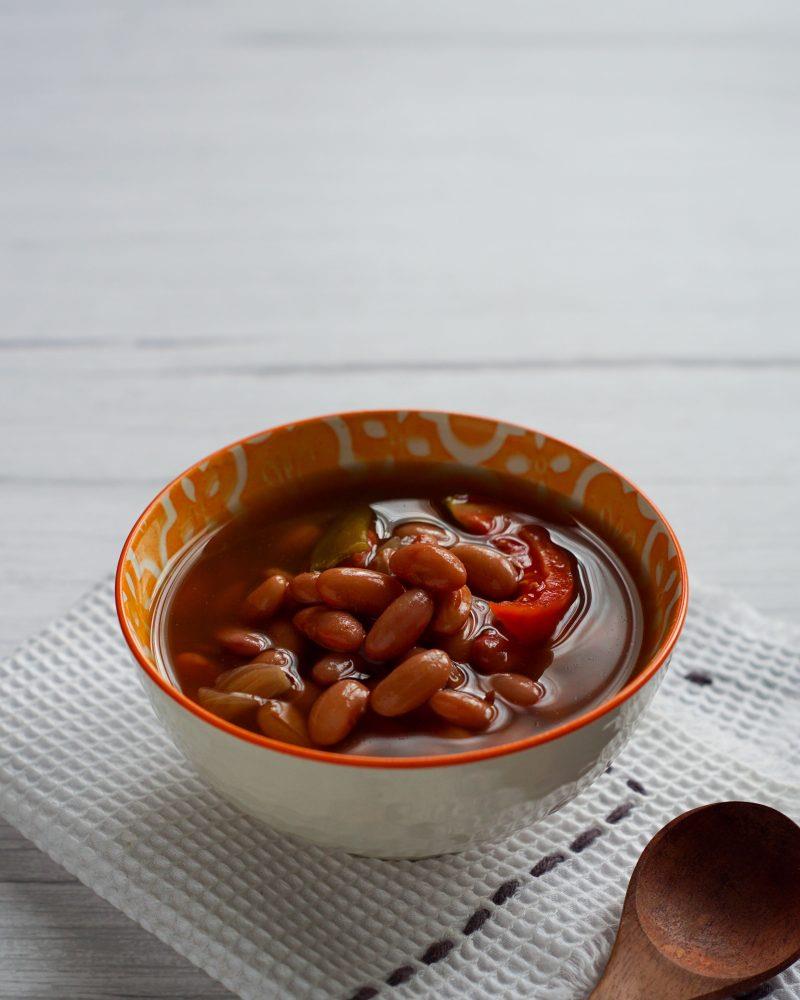
Beans Add Protein Without Taking Over the BudgetDry or canned beans can provide a lot of meal possibilities from one grocery purchase. They can be added to tacos, rice bowls, soups, chili, salads, or served alongside other inexpensive foods. Beans are also useful because they can make a meal feel more substantial without requiring a large amount of meat. A single package or several cans can therefore contribute to multiple meals rather than disappearing after one dinner. For households watching their grocery spending, beans are one of the easiest foods to build around.
Rice Can Stretch Almost Any MealRice works in everything from simple side dishes to stir-fries, burrito bowls, soups, and casseroles. A larger bag can provide multiple servings, which means the cost of the rice itself can be spread across several meals. It also works well with leftovers, making it easier to turn a small amount of meat or vegetables into another dinner. You can change the seasonings and toppings without changing the basic ingredient. That makes rice particularly useful when your goal is to make several meals feel different without buying completely different groceries.
Potatoes Can Work for Breakfast, Lunch, and DinnerPotatoes are another grocery staple that can move between meals easily. They can be baked, roasted, mashed, added to soups, turned into breakfast potatoes, or combined with eggs and vegetables for a filling skillet meal. USDA currently expects fresh vegetable prices to rise in 2026, although individual vegetables are moving at different rates. That makes versatile produce especially useful when shoppers want ingredients that can serve several purposes. A bag of potatoes can become the base of multiple meals instead of simply acting as a side dish.
Eggs Can Fill Several Roles in the KitchenEggs are useful because they can provide breakfast, become part of a quick dinner, or add protein to another meal. They can be scrambled with vegetables, added to fried rice, used in sandwiches, or served alongside potatoes and toast. USDA reported that retail egg prices were lower in July 2026 than a year earlier, although prices can vary considerably over time. That makes eggs worth watching when you are building an affordable grocery list. Their flexibility also means you can use them to fill gaps when you have leftovers that are not quite enough for a complete meal.
Oats Can Cover More Than One BreakfastA container of oats can provide breakfasts for several days without requiring a different main ingredient each morning. You can prepare them with milk, fruit, cinnamon, or other inexpensive toppings depending on what you already have. Oats can also be used in baked dishes or combined with other ingredients when you want something different. The biggest advantage is that one pantry staple can support repeated meals without taking up much storage space. For shoppers trying to make a small grocery budget last, that kind of repeat use matters.
Frozen Vegetables Can Prevent Produce WasteFresh produce can be an excellent grocery purchase, but it does not always get used before it spoils. Frozen vegetables can provide a different type of savings because they can stay available until you actually need them. They can be added to pasta, rice, soups, casseroles, omelets, and skillet meals. USDA reported that fresh vegetable prices were 6.3% higher in July 2026 than a year earlier, although prices declined during that particular month. Frozen vegetables can therefore be useful when you want the convenience of keeping vegetables available without having to plan several meals around one fresh purchase.
Canned Tomatoes Can Build an Entire MealCanned tomatoes are another inexpensive ingredient that can be used across several recipes. They can become pasta sauce, chili, soup, stew, or the base of a simple vegetable dish. Unlike fresh tomatoes, canned versions can sit in the pantry until you are ready to use them. That makes them useful for households that do not want to make several trips to the grocery store each week. A pantry staple like this can also help turn other leftovers into something that feels more like a complete meal.
Peanut Butter Can Stretch Beyond SandwichesPeanut butter is often associated with sandwiches, but it can do much more work in a budget-conscious kitchen. It can be spread on toast, added to oatmeal, paired with bananas, or used in simple snacks and sauces. Because it keeps for a relatively long time, you do not have to plan around using the entire container immediately. It can also provide a quick option when there is not enough time or food available to prepare a full meal. For households looking for ingredients that last, that flexibility can be just as important as the initial price.
Whole Chicken Can Become Multiple MealsA whole chicken requires more preparation than a package of ready-to-cook chicken, but it can provide considerably more meal possibilities. The meat can become sandwiches, tacos, soups, salads, casseroles, or simple dinners with vegetables and potatoes. Leftover bones can also be used to make stock if you are willing to put in the extra work. This is an example of why the cheapest grocery item is not always the most useful one. A food that can become several different meals may provide more practical value than a convenient item that disappears after one dinner.
The Secret Is Choosing Ingredients That Work TogetherThe biggest mistake with a small grocery budget is buying ten inexpensive foods that cannot be combined into meals. Instead, look for ingredients that overlap and can be reused throughout the week. Pasta can pair with canned tomatoes and vegetables, while rice can work with beans, eggs, or leftover chicken. Potatoes can complement eggs for breakfast and chicken or vegetables for dinner. Thinking about combinations rather than individual prices can make a limited grocery budget stretch considerably further.
A Small Grocery Budget Works Better With Flexible FoodsThere is no single list of foods that will cost the same at every grocery store. Prices vary by location, brand, package size, sales, and season, and USDA's food-at-home data shows that different categories can move in very different directions. The better strategy is to look for foods that can serve multiple purposes and then build meals around whatever is reasonably priced that week. Pasta, beans, rice, potatoes, eggs, oats, frozen vegetables, canned tomatoes, peanut butter, and whole chicken all offer that kind of flexibility. They can help turn a limited grocery budget into several meals instead of one expensive dinner.
Before your next grocery trip, look for foods that can appear in at least two or three different meals. Building your cart around versatile ingredients can help you stretch your grocery budget without relying on the same dinner every night.
What To Read NextFast-Food Prices Changed at Thousands of Restaurants This Week - Here's What Got More Expensive
Why Are Costco's Food Court Prices So Much Lower Than Other Restaurants?
8 Ways Personalized Pricing Could Make Two Shoppers Pay Different Prices
The High Stakes of Cheap Beef: Can Imported Trimmings Lower Supermarket Prices?
How Retail Media Networks Are Changing Grocery Store Prices and Perks

Legal Disclaimer:
MENAFN provides the
information “as is” without warranty of any kind. We do not accept any
responsibility or liability for the accuracy, content, images, videos,
licenses, completeness, legality, or reliability of the information
contained in this article. If you have any complaints or copyright issues
related to this article, kindly contact the provider above.
Comments
No comment