

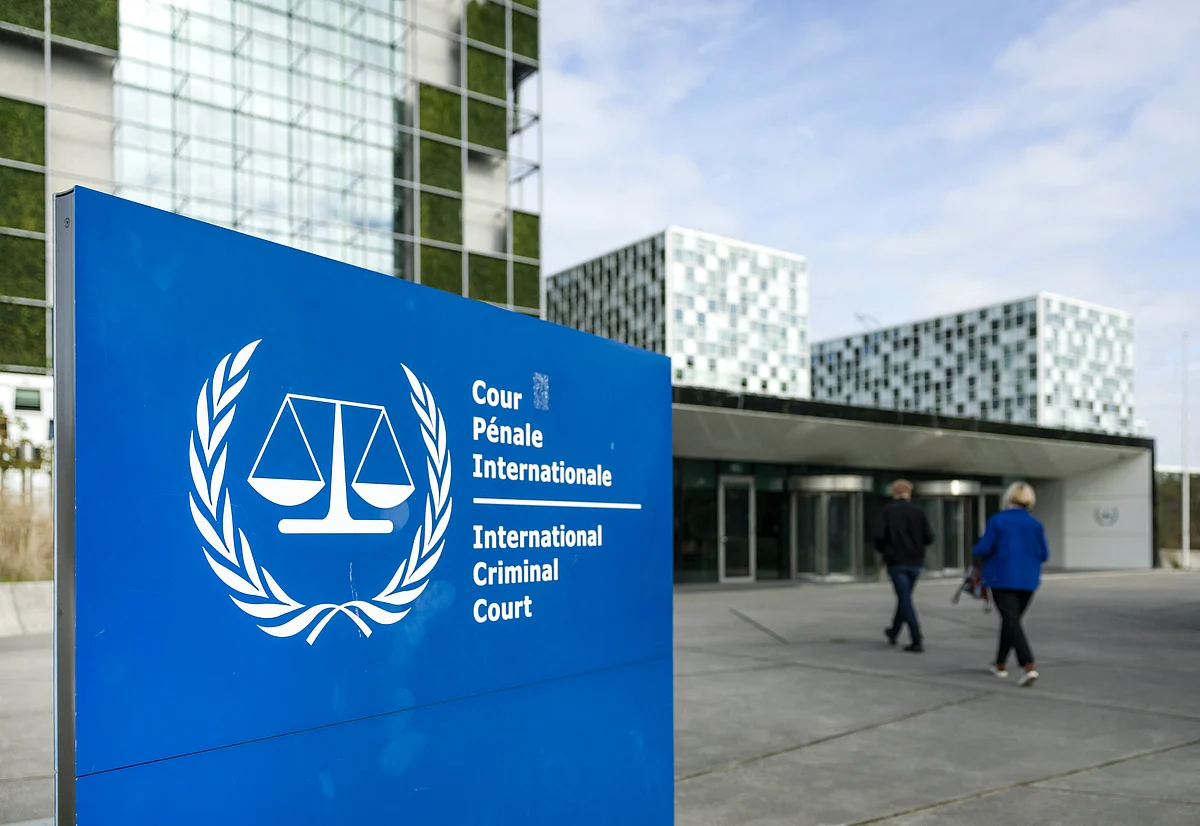
Explainer: What Is The ICC, Why Does It Go After Netanyahu, Duterte, Putin


So how does it work?
Recommended For YouThe question has returned to the spotlight after US President Donald Trump called on countries that are members of the ICC to leave the court, describing it during his speech at the United Nations (UN) this week as“out of control”.
The United States is not a member of the ICC. Neither are Russia, Israel or China. Yet the court has issued arrest warrants for Russian President Vladimir Putin and Israeli Prime Minister Benjamin Netanyahu, while former Philippine president Rodrigo Duterte is being held in The Hague ahead of a trial expected to begin later this year.
Their cases show both the reach of the court and one of its biggest limitations: it can issue warrants, but it relies heavily on countries to enforce them.
Stay up to date with the latest news. Follow KT on WhatsApp Channels. What exactly is the ICC?
The International Criminal Court is a permanent court based in The Hague in the Netherlands. It was created under the Rome Statute and began operating in 2002 to prosecute individuals accused of some of the world's most serious crimes.
These include genocide, crimes against humanity, war crimes and the crime of aggression.
Unlike the International Court of Justice, which deals with disputes between countries, the ICC prosecutes individuals.
The ICC is also intended to be a court of last resort. This means it does not simply replace national courts. It generally steps in when countries are unwilling or unable to genuinely investigate or prosecute cases that fall within its jurisdiction.
There are currently 125 countries that are parties to the Rome Statute.
Why did the ICC issue a warrant for Putin?In March 2023, the ICC issued an arrest warrant for Putin over alleged war crimes linked to the unlawful deportation and transfer of children from occupied areas of Ukraine to Russia.
The court said judges found reasonable grounds to believe he bore responsibility for the alleged crimes.
An arrest warrant is not a conviction, and Putin has not been tried by the ICC. Russia is also not a member of the court.
However, Ukraine had accepted the ICC's jurisdiction over alleged crimes committed on its territory before later becoming a member of the court.
The case shows an important point about the ICC: being a citizen of a country that is not a member does not automatically put someone outside its reach.
What about Netanyahu?The ICC issued an arrest warrant for Netanyahu in November 2024, alongside former Israeli defence minister Yoav Gallant.
The court said there were reasonable grounds to believe Netanyahu and Gallant bore criminal responsibility for alleged war crimes and crimes against humanity in connection with the Gaza war.
Israel has challenged the court's jurisdiction and rejects the allegations against its leaders.
The ICC has said its jurisdiction in the situation extends to Gaza and the West Bank, including East Jerusalem.
As with Putin, the warrant does not mean Netanyahu has been convicted.
Why is Duterte's case different?Duterte's case shows what happens when an ICC arrest warrant is actually enforced.
The former Philippine president was arrested in Manila in March 2025 and surrendered to the ICC. He has since been detained at the court's detention centre in The Hague.
He faces three counts of crimes against humanity over killings allegedly committed during his anti-drug campaign.
In April 2026, ICC judges confirmed the charges against him and sent the case to trial.
His trial is currently scheduled to begin on November 30, subject to an updated assessment of whether he is fit to stand trial. Duterte is presumed innocent unless and until he is convicted.
The Philippines withdrew from the ICC in 2019, but leaving the court did not erase its jurisdiction over alleged crimes committed while the country was still a member.
Can the ICC actually arrest a president?Not by itself. The ICC does not have its own police force or enforcement agency. Instead, it depends on countries to arrest suspects, transfer them to The Hague, freeze assets and carry out other court decisions.
That is one reason an arrest warrant can remain outstanding for years. If a wanted person remains in a country that does not cooperate with the ICC, the court cannot simply send officers across the border to arrest them.
Duterte's case moved forward because Philippine authorities arrested him and transferred him to the court.
Why are some countries against the ICC?The court has faced criticism from different countries over its jurisdiction and the way it conducts its work.
The US has never joined the ICC and argues that the court should not have jurisdiction over US citizens without Washington's consent.
Trump's administration has increased pressure on the court and imposed sanctions on ICC officials. During his UN address this week, Trump went further, calling on all member states to leave it.
Other critics have accused the ICC of selective justice. Five countries have announced plans to withdraw from the Rome Statute over the past year, including Venezuela, Chad, Burkina Faso, Mali and Niger.
The ICC, meanwhile, argues that international cooperation is essential to holding individuals accountable for the world's most serious crimes.
So, why does the ICC matter?The court was created around a simple idea - some crimes are serious enough that those accused of committing them should face the possibility of prosecution even when national systems cannot or will not act.
But the cases of Putin, Netanyahu and Duterte also show the limits of that idea in practice. The ICC can investigate, bring charges and issue arrest warrants. What it cannot do is enforce those decisions alone. For that, it still needs countries to cooperate.
ALSO READ- US President Trump calls for all countries to quit International Criminal Court at UN Philippines' ex-president Duterte makes first in-person ICC appearance, trial set Nov 30 Explained: Philippine VP Duterte's arrest order, criminal charges and what happens next

Legal Disclaimer:
MENAFN provides the
information “as is” without warranty of any kind. We do not accept any
responsibility or liability for the accuracy, content, images, videos,
licenses, completeness, legality, or reliability of the information
contained in this article. If you have any complaints or copyright issues
related to this article, kindly contact the provider above.
Comments
No comment