

Struggle Over Hormuz And Bab El‐Mandeb Straits Is Centuries Old


However, conflict over these straits is almost as old as modern maritime trade itself. The war between the US and Iran over these chokepoints is just the latest chapter in a centuries-long history of extra-regional powers attempting to influence or dominate the Middle East by sea.
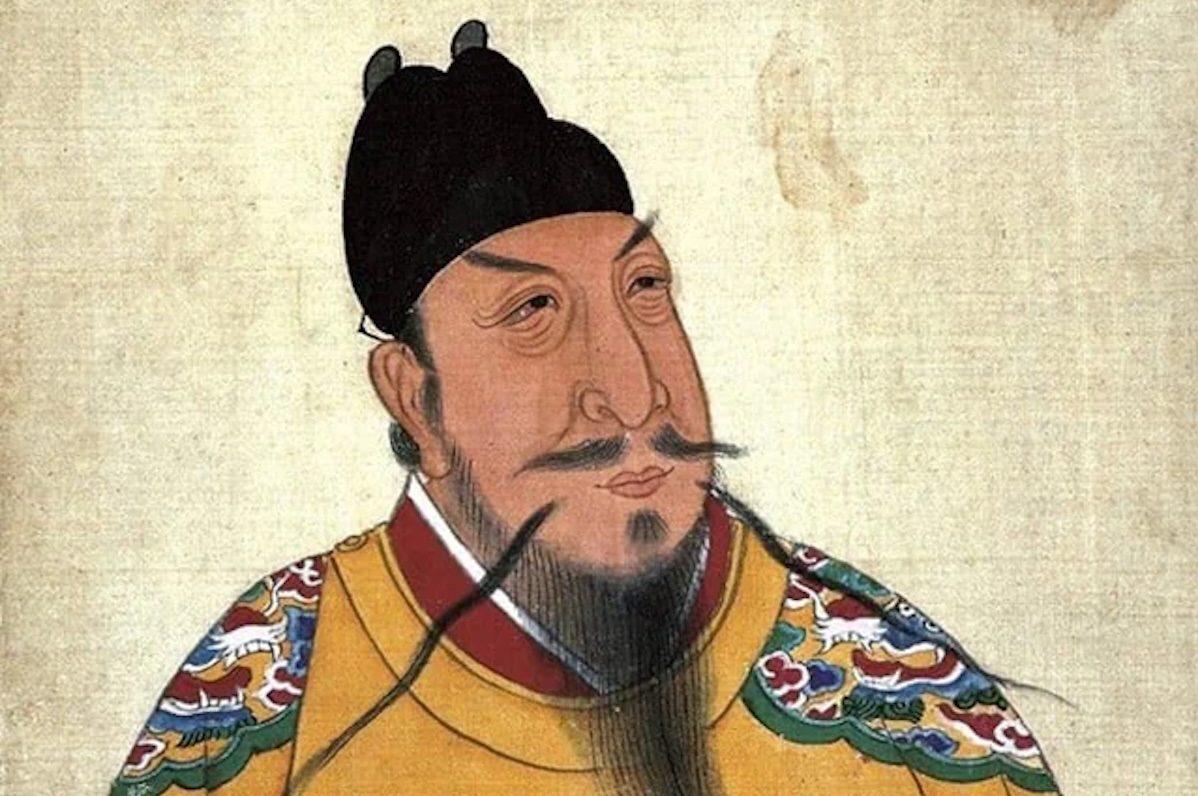
Ming China offers one of the earliest examples of an extra-regional power projecting its power through naval might and diplomacy. In 1405, the Chinese Muslim admiral, explorer and diplomat Zheng He embarked on the first of seven expeditions across the Indian Ocean. Commanding fleets of more than 300 vessels, he reached the town of Hormuz around 1414, then Aden in Yemen, passing through Bab el-Mandeb into the Red Sea.
This Pax Sinica did not control the straits. Instead, it established a strong trading presence based on displays of naval power, diplomatic missions, and lucrative gift exchanges. Unlike later colonial powers, Zheng He did not establish colonies at Hormuz or along the Arabian coast. Instead, he entered the existing trading system established by the region's Arab, Persian, Indian, and East African merchants.
The voyages also demonstrate the limits of overextended maritime power. After Zheng He's final expedition in the 1430s, shifting priorities in the Ming dynasty brought the voyages to an end. The state was unwilling to invest in its navy and its upkeep.
Today, China invokes Zheng He's voyages to bestow historical legitimacy upon Chinese-Middle Eastern relations. Beijing presents its modern investments in infrastructure, energy, and ports, such as Gwadar in Pakistan, as the revival of an ancient and peaceful relationship that stretches back to the pre-modern Silk Road.

Legal Disclaimer:
MENAFN provides the
information “as is” without warranty of any kind. We do not accept any
responsibility or liability for the accuracy, content, images, videos,
licenses, completeness, legality, or reliability of the information
contained in this article. If you have any complaints or copyright issues
related to this article, kindly contact the provider above.
Comments
No comment