

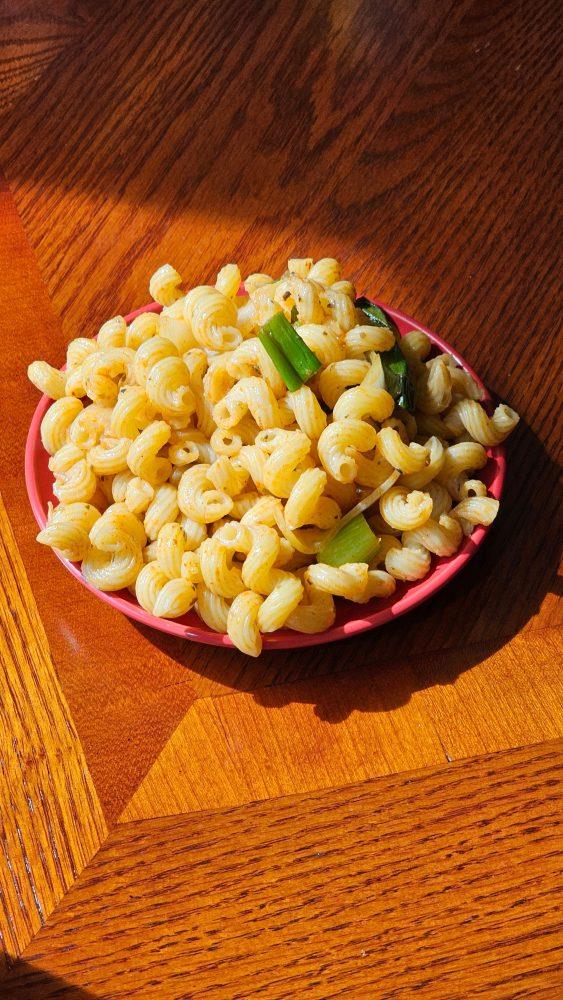
The $25 Pasta Dinner Test: Which Grocery Store Gives You The Most Food?


Feeding a household on a fixed budget often forces shoppers to evaluate how far a specific financial allowance stretches across competing supermarket chains. While specialty grocers offer gourmet ingredients, discount supermarkets focus entirely on maximizing the absolute physical volume of food secured per dollar. Testing how various retailers handle a standard family dinner staple like pasta reveals stark differences in consumer value. Evaluating these store options helps everyday shoppers identify where their grocery dollars achieve maximum purchasing power.
Comparing basic pantry items across regional chains highlights how corporate pricing strategies directly impact weekly meal planning. Securing a complete cart of dry pasta, marinara sauce, cheese, protein, and baked sides tests the true limits of retail value. Understanding these structural variances ensures you never overpay for basic meal components during routine weekly grocery runs.
The Discrete Advantage of Discount SupermarketsDiscount-focused grocery chains dominate the low-cost landscape by prioritizing private-label inventory over expensive national brands that carry heavy marketing surcharges. When shopping for basic dinner components at a streamlined warehouse market, a shopper can easily load up multiple boxes of durum wheat noodles, large jars of marinara, and fresh garlic bread.
The total tally for these combined items typically remains remarkably low, consuming only a fraction of a twenty-five-dollar allowance while filling grocery bags to the brim. This high-volume efficiency stems from minimal store footprints and streamlined inventory turnover that keeps overhead costs exceptionally low.
Big-Box Retailers and Brand Tier FlexibilityBig-box supercenters offer a different shopping dynamic by providing an extensive mix of ultra-cheap private-label goods alongside pricier name-brand alternatives. Navigating these wide aisles allows consumers to customize their spending based on whether they prioritize premium taste or strict budget adherence.
Purchasing store-brand spaghetti, canned tomato sauce, and bulk mozzarella keeps the final checkout total comfortably low, leaving plenty of financial cushion remaining. Balancing economy brands with occasional name-brand splurges gives shoppers total control over their overall grocery expenditure.
Traditional Supermarkets and the Cost of ConvenienceTraditional grocery store chains frequently operate on higher profit margins, resulting in noticeably steeper price tags for identical pantry staples found at discount competitors. Selecting the exact same combination of noodles, sauce, and baking ingredients at a conventional neighborhood supermarket consumes a much larger share of a twenty-five-dollar limit.
While these traditional stores often provide enhanced customer service and broader specialty selections, shoppers pay a tangible premium for that convenience. Managing a tight household budget requires recognizing when traditional supermarket pricing compromises your overall purchasing power.
The Hidden Impact of Meat and Dairy Add-OnsWhile dry noodles and jarred sauce represent inexpensive baseline costs, incorporating fresh protein and cheese into a pasta dinner shifts the financial equation significantly. Ground beef or Italian sausage frequently claims the largest portion of a dinner budget, regardless of which supermarket you choose to patronize.
Selecting budget-friendly meat packaging and opting for store-brand shredded mozzarella keeps the total bill balanced beneath your target ceiling. Mastering how to budget for high-protein additions prevents expensive surprises at the cash register.
Smart Substitution Strategies for Maximum SavingsOptimizing your weekly grocery spending involves adopting flexible substitution habits when preferred brands or specific ingredients exceed your target price range. Swapping imported bronze-cut pasta for standard domestic varieties or choosing bulk-sized sauce jars instantly reduces your overall per-meal expenditure.
Staying adaptable inside the supermarket aisles prevents you from abandoning your budget when preferred items experience temporary price hikes. Strategic flexibility transforms a standard dinner run into a reliable exercise in household savings.
Smart Shopping and Family Budgeting StrategiesNavigating grocery store pricing variations requires a conscious approach to selecting retailers that align with your financial goals and household needs. Whether you prefer the streamlined efficiency of discount grocers or the massive inventory selection of big-box supercenters, comparing total costs keeps your spending under control. By prioritizing private labels, managing protein costs, and planning, you can secure abundant meals without breaking your weekly budget.
Which grocery store do you find offers the most reliable overall value for stocking up on weekly dinner essentials?
What To Read Next
How to Use Coupons to Get Free Pasta
Your Pasta Sauce Is Missing the Ingredient You Keep Pouring Down the Sink
Why Store-Brand Pasta Often Rivals Name Brands in Quality (8 Things to Know)
We Repriced the Same $100 Grocery Cart From 2020 - Here's Which Items Blew Up the Total
Fall Foods Are Back at Trader Joe's - Which Seasonal Buys Are Actually Worth the Price?

Legal Disclaimer:
MENAFN provides the
information “as is” without warranty of any kind. We do not accept any
responsibility or liability for the accuracy, content, images, videos,
licenses, completeness, legality, or reliability of the information
contained in this article. If you have any complaints or copyright issues
related to this article, kindly contact the provider above.
Comments
No comment