

Newborns Miss Out On £4,000 When Parents Delay Opening Accounts


Newborns could be missing out on £4,000 in savings because their parents don't open an account for them until the age of five.
With late September being the most common time for birthdays, a study of 2,000 mums and dads with children under 18 found, once they start saving, they put away an average of £63.24 a month for their child's future.
But with parents typically waiting until their child is around five years old before setting up a savings account, they could miss out on £3,794 that could have been built up from birth.
However, 11 per cent don't get a savings account at all – which would amount to £13,659 at the same contribution rate by the time they turn 18.
These figures are based solely on the money paid in and do not account for any interest that could have been earned over time, meaning the potential value of the savings could be significantly higher.
The research was commissioned by Skipton Building Society to support its initiative encouraging early saving, with eligible parents of children aged three and under receiving £25 when they open a Junior Cash ISA in branch and deposit £50 by 29 December 2026 [].
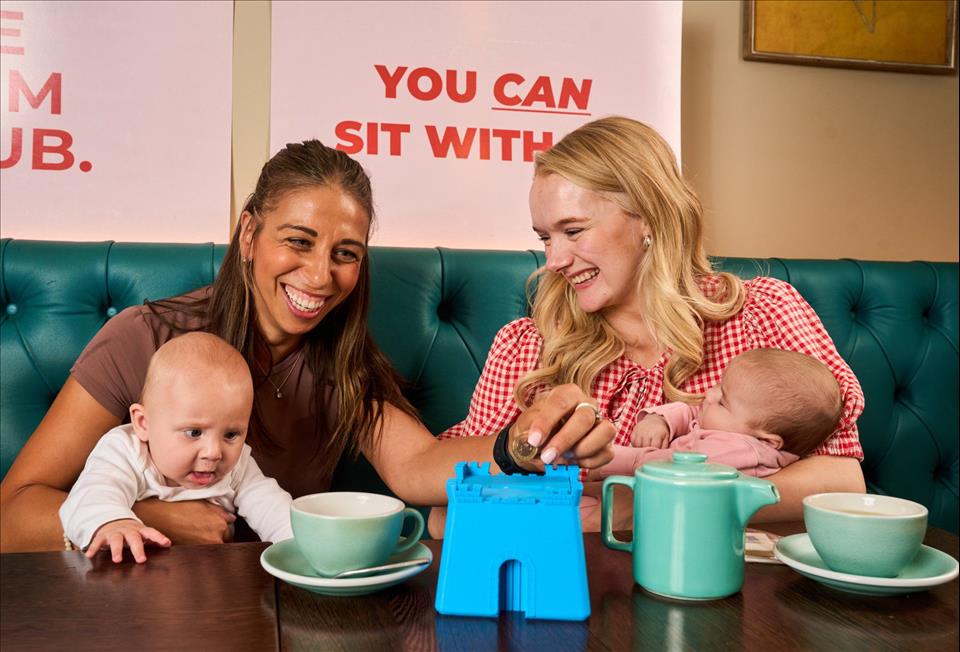
The building society has partnered with The Mum Club to host a brunch for new parents, offering expert guidance on the financial milestones their children may face in the future.
Alex Sitaras, head of savings at Skipton Building Society, which is bringing back the Skipton Castle Money Box for families who open an account to help inspire saving from a young age, said:“The first year of becoming a parent can feel completely overwhelming.
“Between adjusting to a new routine, managing household finances and navigating countless new responsibilities, opening a savings account for your child isn't always at the top of the to-do list.
“That's completely understandable, but our research shows just how much difference getting started early can make.
“Many parents are surprised by the impact those first few years can have. Starting from birth rather than waiting until age five could mean thousands of pounds more in savings by the time a child reaches adulthood.
“Starting to save early can make a real difference over time, which is why we're encouraging parents and grandparents to take that first step towards building a savings habit for their child.”
“The good news is that building a savings pot doesn't require huge amounts. Even small, regular contributions can add up over time and create meaningful opportunities later in life.
“Whether it's helping with the cost of education, supporting a first car purchase or contributing towards a future home deposit, starting early can help give children a stronger financial foundation for the years ahead.”
Of the 66 per cent who did not set up a savings account before their child's first birthday, 26 per cent were too focused on other financial priorities during their baby's first year.
Another 26 per cent wanted to wait until their child was older, while 21 per cent intended to open an account but simply never got around to it.
It also emerged 55 per cent wish they had started saving for their child earlier than they did, with 39 per cent now recognising the benefits of getting started early, and 33 per cent worried about the future costs their child will face.
More than half (53 per cent) of parents with children under 18 believe their child will face greater financial challenges than they themselves have experienced.
Buying a first home was cited as the biggest challenge they expect their child to face (43 per cent), while 38 per cent are worried about university costs.
In addition, 26 per cent are concerned about how much learning to drive and getting on the road will cost when they reach their later teenage years.
The survey, conducted by OnePoll, found many mums and dads supplement their regular monthly contributions, with 32 per cent depositing money if gifted by family members.
Birthdays are another popular opportunity to put money aside for 31 per cent.
In fact, 75 per cent feel adding money paid into savings is a more valuable gift for their child than toys or other presents, and of these, 34 per cent said physical gifts are often quickly forgotten about.
As a result, 48 per cent of the parents who would rather their children receive money than toys believe it would help them more in the future.
A further 40 per cent believe it will help teach their child the value of saving, while 31 per cent would rather money went towards future ambitions such as learning to drive, university or buying a home.
Lauren Webber, the co-founder of The Mum Club, said:“Like many parents, I spent so much time thinking about my child's immediate needs that I didn't always stop to think about everything that comes next.
“The early years go by incredibly quickly, and it's often only when you start talking to other parents that you realise how important those early conversations and plans can be.
“Connecting with other parents can be a great way to share experiences, build confidence and start thinking about the future.
“That's why we're delighted to be working with Skipton Building Society to bring families together and help them feel more prepared for the years ahead.”
TOP 10 REASONS PARENTS DON'T OPEN A SAVINGS ACCOUNT BEFORE THEIR CHILD'S FIRST BIRTHDAY:
1. They focused on other financial priorities during their first year
2. They wanted to wait until their child was older
3. The first year was too busy and overwhelming
4. They didn't have enough spare money to save at the time
5. They planned to do it but never got around to it
6. They hadn't considered opening a savings account that early
7. They preferred to keep savings in their own account initially
8. There were waiting until they could contribute more regularly
9. There weren't sure which type of account to open
10. Family and friends were already putting money aside for their child

Legal Disclaimer:
MENAFN provides the
information “as is” without warranty of any kind. We do not accept any
responsibility or liability for the accuracy, content, images, videos,
licenses, completeness, legality, or reliability of the information
contained in this article. If you have any complaints or copyright issues
related to this article, kindly contact the provider above.
Comments
No comment