

How US Blindly Ceded Its Rare Earth Dominance To China


All of these devices function because of 17 metals collectively known as rare earth elements. The scientists who gave the group that name in 1794 created a misnomer. Cerium alone is about as common in the Earth's crust as copper.
However, separating rare earth minerals from one another and from raw ore is intensely difficult. As a result, countries that control the processing of rare earth minerals have a lot of political leverage.
China processes most of the rare earth minerals used around the world, and it isn't just consumer electronics that depend on Chinese exports. The US military's F-35 fighter jets and Virginia-class submarines need rare earths too.
I spent years adjudicating war games for the US Navy. War games force players to identify the hidden constraints that render a beautiful plan untenable. Rare earth processing is exactly such a constraint.
China showcased the power of its rare earths leverage with a series of export controls issued in 2025 that it agreed to suspend – at least until Nov. 10, 2026. Controlling the supply enables a government to slow a rival's growth, or halt it.
China's ability to extend the suspension of its export controls or let them go into effect gives it leverage on the geopolitical stage. In the parlance of Theodore Roosevelt, it's a very big stick.
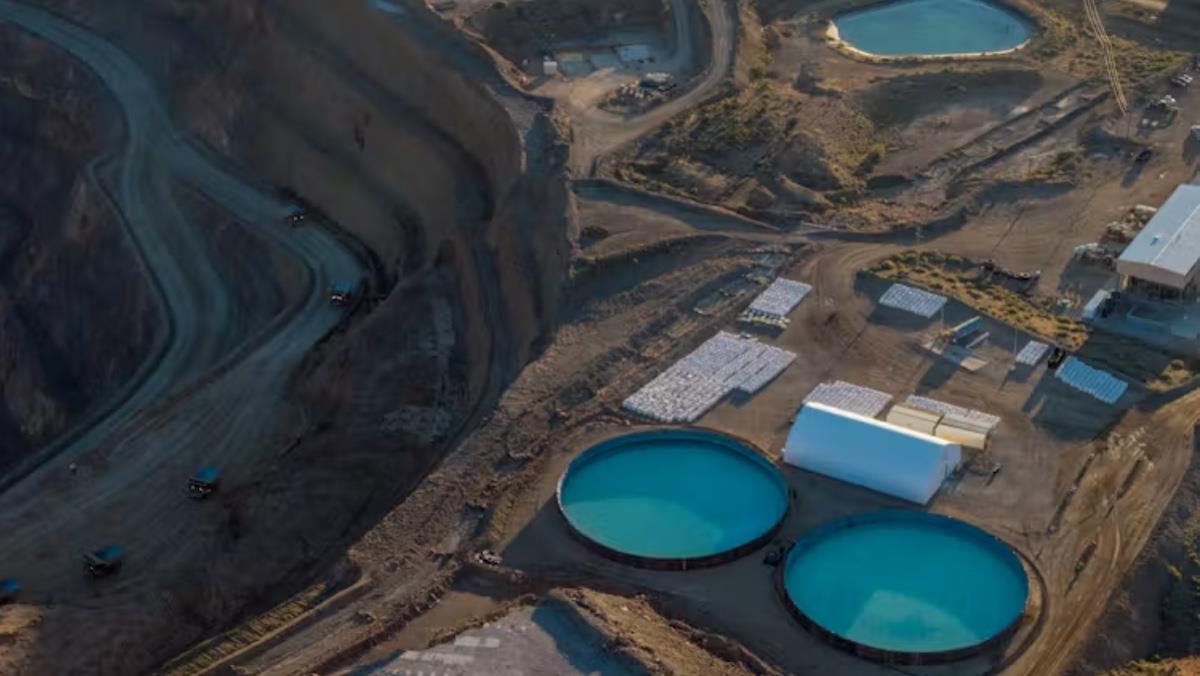
How China took the leadCalifornia's Mountain Pass mine led world production of rare earths until the late 1980s. Multiple instances of radioactive wastewater spilling from the mine into the Mojave Desert made it hard to keep domestic production running.
When China expanded its own mining and sold the processed materials for less, the logic of switching rare earth suppliers was easy.
Mountain Pass' separation plant closed in 1998, and the mine itself stopped in 2002. MP Materials restarted mining there in 2017 as concern about access to rare earth minerals rose, but the US still imported more than two-thirds of the rare earth elements it used as recently as 2025.

Legal Disclaimer:
MENAFN provides the
information “as is” without warranty of any kind. We do not accept any
responsibility or liability for the accuracy, content, images, videos,
licenses, completeness, legality, or reliability of the information
contained in this article. If you have any complaints or copyright issues
related to this article, kindly contact the provider above.
Comments
No comment