

Philippines Bets On Luzon Corridor To Fix Its Jobless Growth


The most recent labor statistics make the point plainly. In July 2026, 49.21 million Filipinos were employed, but the unemployment rate rose to 6% or 3.14 million people. Underemployment was even more striking: 6.33 million Filipinos-12.9% of the employed-wanted more work than they had.
That is why“jobless growth” is the wrong term for what's happening. The Philippines is not literally failing to create jobs. The more accurate description is job-poor growth: jobs are being created, just not enough of them in productive sectors.
This distinction matters because the country cannot sustain its current stage of development on consumption and low-value services indefinitely.
According to OECD data, manufacturing accounted for just 7% of the Philippine labor market in 2024, compared with 17% in Malaysia, 23% in Vietnam and 26% in Thailand. The OECD also notes that the Philippines lagged behind its regional peers in making this transition.
Structural transformationThis is where the Luzon Economic Corridor's significance extends beyond physical infrastructure. It should be judged by structural transformation, that is, where it shifts labor and capital from unproductive uses to productive ones.
The Philippines needs more than additional economic activity - it needs a system that ties together infrastructure, investment, manufacturing, technology and people.
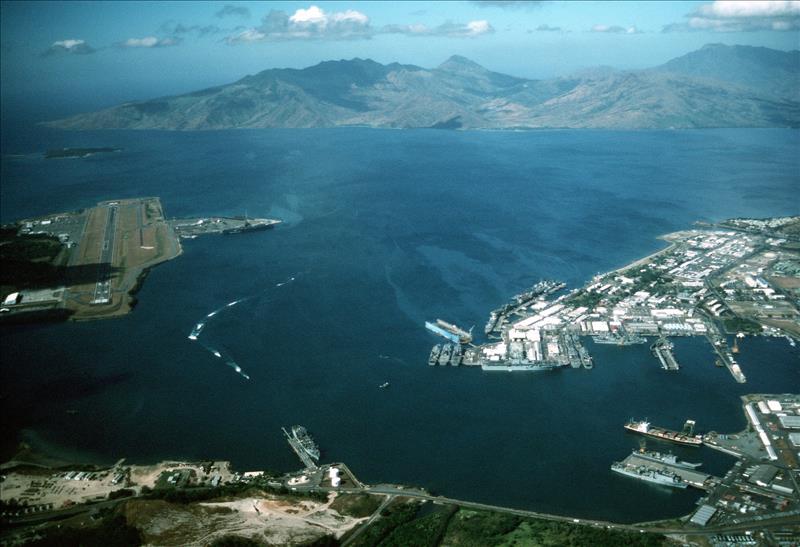
That is what the Luzon Economic Corridor is intended to do, by linking Subic, Clark, Metro Manila and Batangas into a single, coherent economic geography.

Legal Disclaimer:
MENAFN provides the
information “as is” without warranty of any kind. We do not accept any
responsibility or liability for the accuracy, content, images, videos,
licenses, completeness, legality, or reliability of the information
contained in this article. If you have any complaints or copyright issues
related to this article, kindly contact the provider above.
Comments
No comment