

Eureka Business Launches Procurement-Season Initiative To Help Companies Plan And Furnish Complete Workspaces


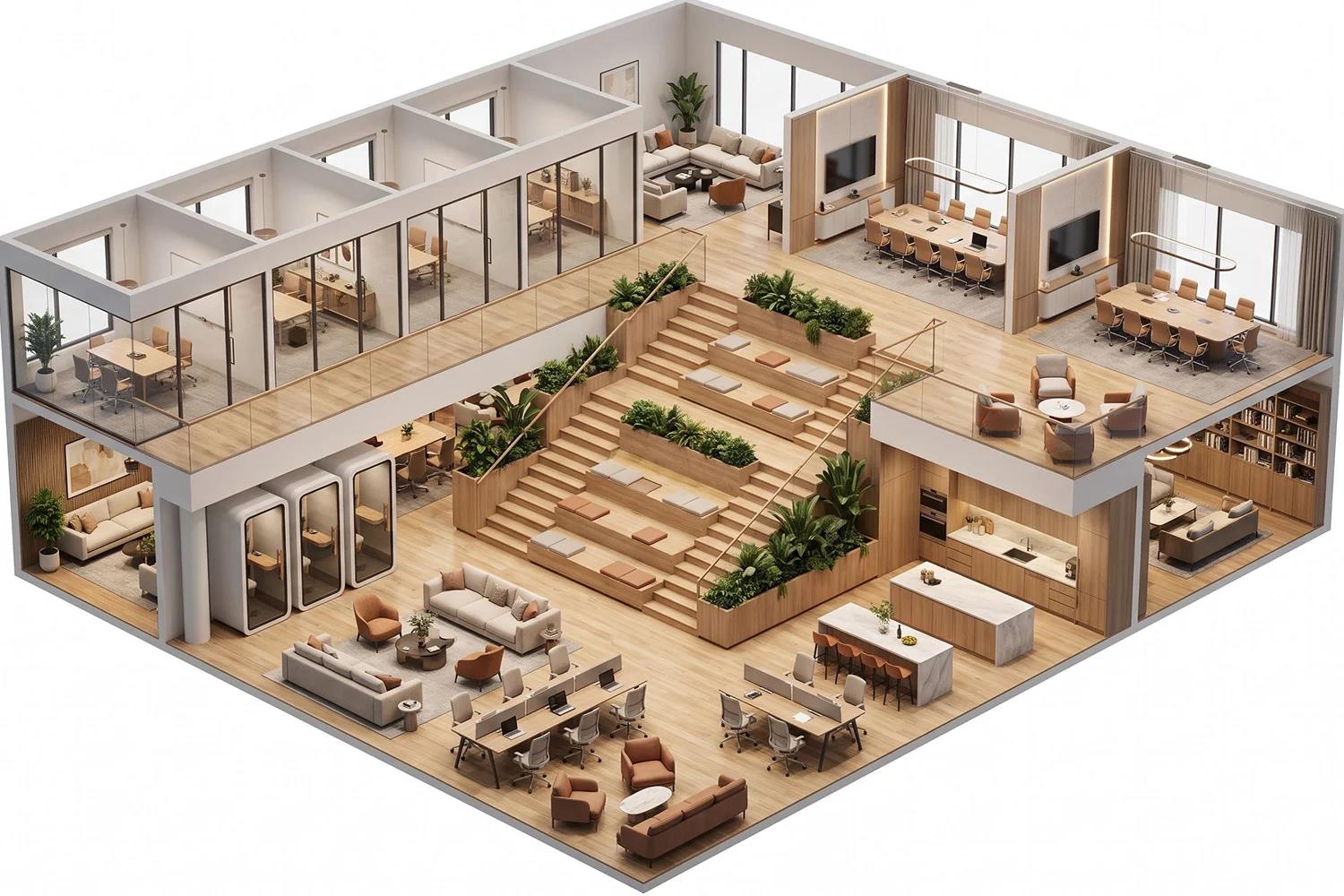
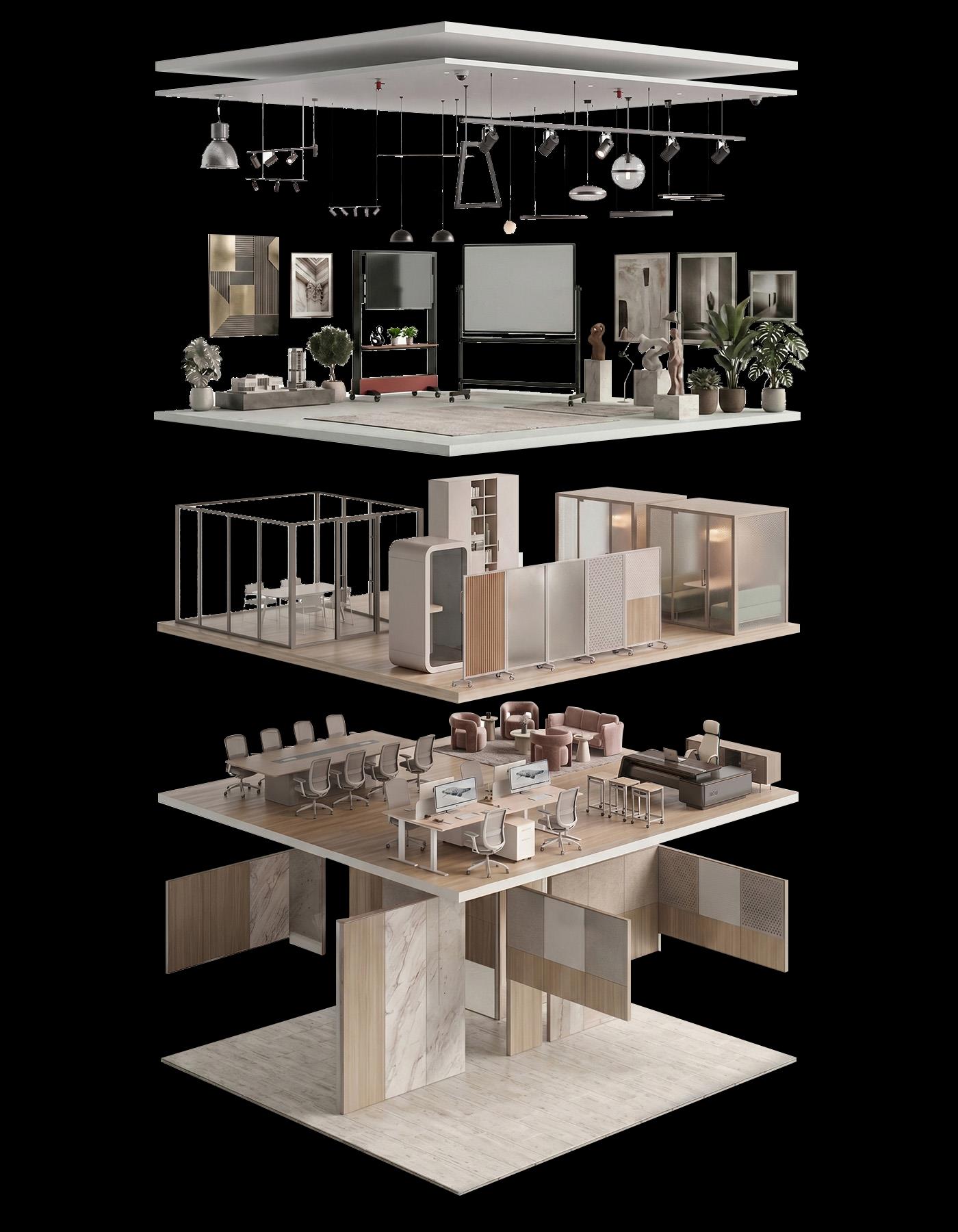
| Workspace Type | Recommended Configuration | Primary Needs |
| Standard Workstations | Height-Adjustable Desk + Ergonomic Office Chair | Everyday computer work, extended periods of use, and flexibility for different employees |
| Private Offices & Executive Spaces | Executive Desk + Executive Office Chair + Storage | Daily office work, document management, and meetings with visitors |
| Multi-Device Professional Workstations | L-Shaped Desk + Ergonomic Office Chair + Monitor Arm | Multi-device workflows for design, engineering, finance, content production, and similar roles |
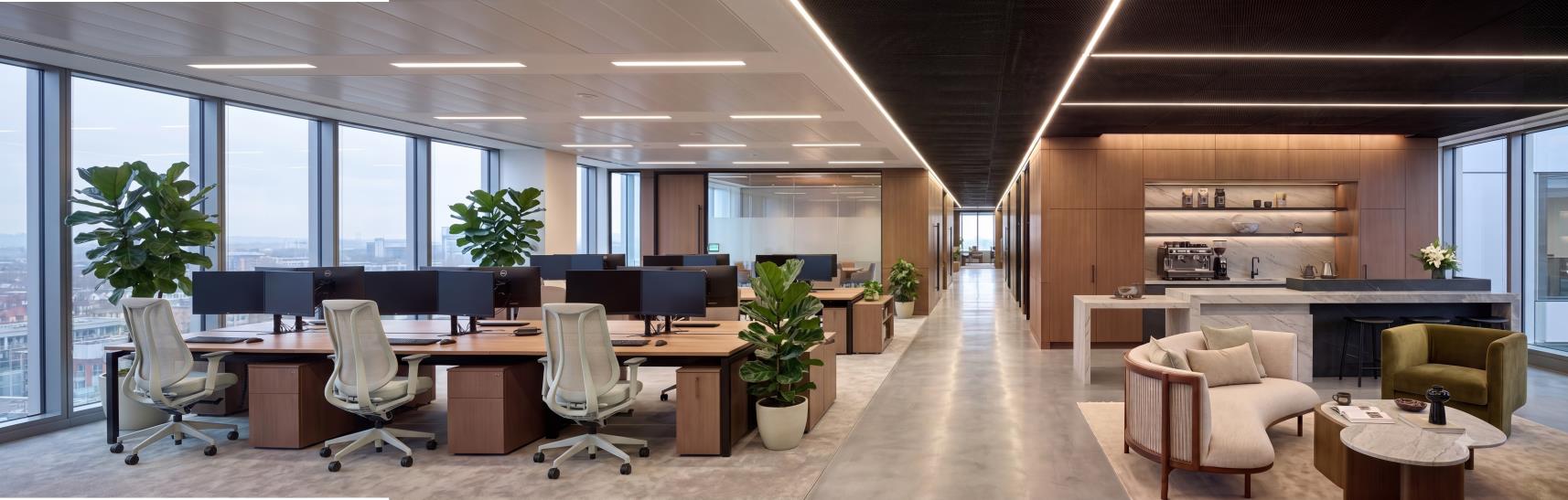
For projects requiring multiple workstations, procurement teams can plan around complete workstation configurations rather than sourcing desks, chairs, and accessories separately. This approach makes it easier to manage quantities, specifications, and budgets across the project.
Choosing a Supplier Means More Than Comparing Unit Prices
As the scale of a procurement project grows, the supplier's role extends beyond simply having products available. The larger question is whether the supplier can support the project from product selection through execution and delivery.
When evaluating a Commercial Office Furniture Supplier, businesses can consider several factors alongside product pricing, including product coverage, project-based pricing, product specifications, inventory availability, estimated lead times, and order and delivery coordination. For office relocations, new workspace build-outs, or large-scale Office Fit-Out projects, these factors can have a direct impact on procurement and project execution.
Eureka Business provides commercial office furniture along with product options, specification support, project pricing, and delivery coordination for complete workspace projects. Its case studies also demonstrate how different product combinations can be applied across a range of office environments.
For larger-volume projects, businesses can provide details such as project type, workspace size, number of workstations, product categories, estimated quantities, project location, and target timeline. The team can then work with the project requirements to determine suitable product configurations and provide project pricing.
Trade Program: Ongoing Support for Professional Projects
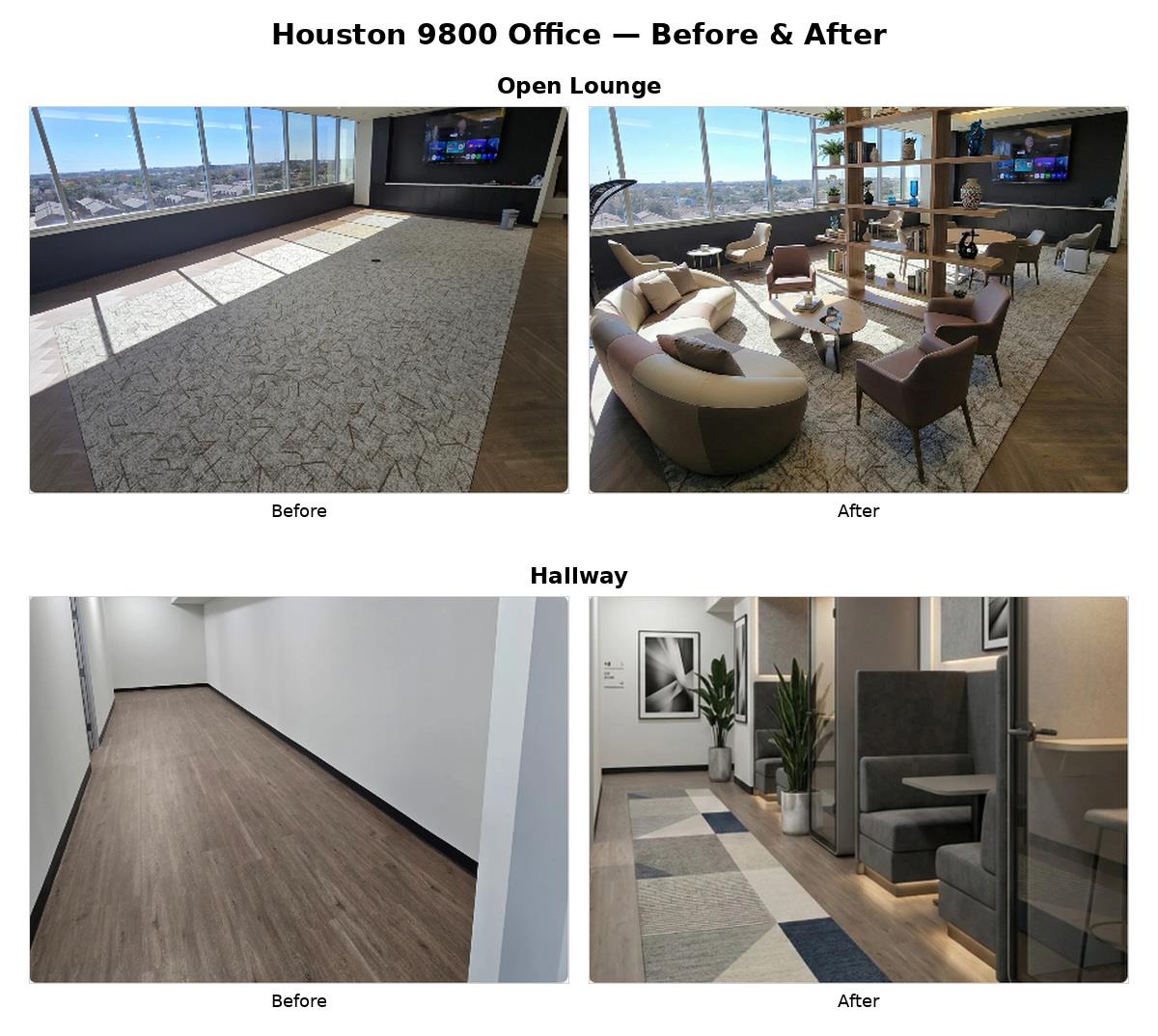
For designers, architects, project managers, and businesses working across multiple workspace projects, office furniture procurement is rarely a one-time need. The Eureka Business Trade Program provides eligible trade professionals with project pricing, samples, product specifications, CAD/Revit files, project support, and order coordination. These resources are designed to help professional teams streamline product selection and procurement across different projects.
Plan the Delivery Timeline Backward From the Project Completion Date
Confirming a purchase order does not mean the office project is complete. For office furniture projects with a defined move-in or occupancy date, the timeline needs to be managed backward from the final completion date. This includes product selection and confirmation, quotation and approval, inventory verification, order placement, transportation, and final delivery and assembly.
When establishing delivery or performance schedules, FAR also identifies factors such as the urgency of the requirement, market conditions, transportation time, production time, and administrative processes as considerations. While these requirements primarily apply to federal procurement, the underlying project-planning principle is also relevant to commercial office furniture projects: the larger the order and the more complex the product mix, the more important it is to confirm inventory availability and lead times early.
Example: A Backward Planning Timeline for an Office Furniture Project
The timeline below is provided as a planning example only. Actual project timelines will vary based on project size, product types, inventory availability, and the organization's procurement and approval processes.
| Time Before Project Completion | Recommended Focus |
| 8 Weeks or More | Define the workspace scope, number of workstations, budget, and primary product requirements |
| 6–8 Weeks | Finalize core product configurations and compare supplier and product options |
| 4–6 Weeks | Obtain pricing, specifications, inventory availability, and estimated lead times; confirm delivery coverage |
| 2–4 Weeks | Complete internal approvals, confirm the order, and verify required supplier documentation |
| Final 1–2 Weeks | Track transportation, delivery, and assembly, and address execution items for confirmed orders |
| After Project Completion | Complete the workspace and review the project based on actual usage and outcomes |
The key is not to follow a fixed number of weeks, but to avoid leaving supplier selection, inventory verification, approvals, and delivery coordination until the final stages of the project. For projects involving a large number of workstations, multiple product categories, or products with longer production lead times, planning backward from the target occupancy date becomes even more important.
For procurement teams, several key questions can be addressed at the beginning of the project: What needs to be purchased? How many units are required? How should the budget be allocated? Can the supplier meet the required timeline? And how long will internal approvals take? The earlier these factors are defined, the more visibility the team has into the procurement process and the overall project timeline.
Procurement Season Is Also a Time to Reassess Your Workspace
Procurement season does not mean rushing to complete purchases at the last minute. For businesses planning an office upgrade, a new workspace, or their next phase of workplace needs, now is an opportunity to review what the space requires and plan purchases around the available budget, quantities, and project timeline.
For organizations with multiple purchasing needs, bringing desks, office chairs, storage, conference furniture, and other workspace products into the same procurement cycle can help reduce duplicate purchases and the need for follow-up orders, while allowing budgets, product selections, and delivery plans to be coordinated earlier in the process.
This procurement season, Eureka Business is offering Upgrade and Save, with eligible purchases receiving savings based on order volume. The offer is available through October 15.
If your team is planning a Commercial Office Furniture Procurement, Bulk Office Furniture Procurement, or Office Fit-Out project, consider starting with the needs of the complete workspace rather than planning around individual products.
Plan More. Source Smarter.


Legal Disclaimer:
MENAFN provides the
information “as is” without warranty of any kind. We do not accept any
responsibility or liability for the accuracy, content, images, videos,
licenses, completeness, legality, or reliability of the information
contained in this article. If you have any complaints or copyright issues
related to this article, kindly contact the provider above.
Comments
No comment