

Why Is Shredded Cheese Covered In White Powder?


Opening a fresh bag of pre-shredded cheddar or mozzarella for a weeknight dinner frequently reveals a fine dusting of white powder clinging to the dairy flakes. This chalky coating often catches the eye of home cooks who wonder if the powder is an artificial additive, a sign of spoilage, or an accidental manufacturing defect.
Uncovering the food science and packaging mechanics behind this common supermarket observation removes unnecessary alarm. Examining how commercial dairies process and store cheese explains exactly what that white powder is and why it remains essential.
The Chemistry of Cheese Moisture and ClumpingTo understand why shredded cheese requires a powdery coating, you have to examine how dairy behaves after it is sliced and exposed to air. Natural cheese varieties like cheddar, Swiss, and mozzarella contain high levels of moisture, natural fats, and proteins that make fresh dairy sticky and malleable.
When a manufacturing facility shreds many pounds of cheese simultaneously, those moist surfaces naturally want to adhere to one another. Without a protective barrier, the loose shreds would rapidly fuse back together inside the bag, transforming into an unusable solid block before ever reaching the grocery shelf.
The Role of Cellulose and Anti-Caking AgentsThe white powder coating commercial shredded cheese is almost universally a safe, food-grade anti-caking agent known as cellulose. Cellulose is an organic compound derived naturally from plant cell walls, most commonly manufactured from purified wood pulp or cotton fibers.
Food scientists add finely milled cellulose to shredded cheese because its microscopic fibers absorb excess surface moisture and create a physical barrier between individual shreds. This invisible barrier prevents the dairy pieces from bonding together, ensuring the cheese flows freely out of the bag whether you are tossing a salad or topping a casserole.
Alternative Powders Like Potato Starch and Calcium SulfateWhile cellulose remains the industry standard for preventing cheese clumps, some manufacturers utilize alternative starches to achieve the same functional result. Brands marketing organic or specialty dairy products frequently substitute cellulose with potato starch, cornstarch, or powdered tapioca to appeal to clean-label consumer preferences.
Certain brands also incorporate natamycin, a natural antifungal agent derived from soil bacteria, alongside the starch powder to prevent mold growth during long-term refrigeration. Each of these approved food additives serves a specific preservative or structural purpose that extends the usable lifespan of pre-packaged dairy.
Impact on Melting Performance and Culinary UsesWhile anti-caking powders successfully keep shredded cheese loose in the package, they introduce minor trade-offs. This is especially true when it comes to culinary performance and melting texture. Because starches and cellulose absorb moisture and resist melting, heavily coated pre-shredded cheese does not melt quite as smoothly as freshly grated block cheese.
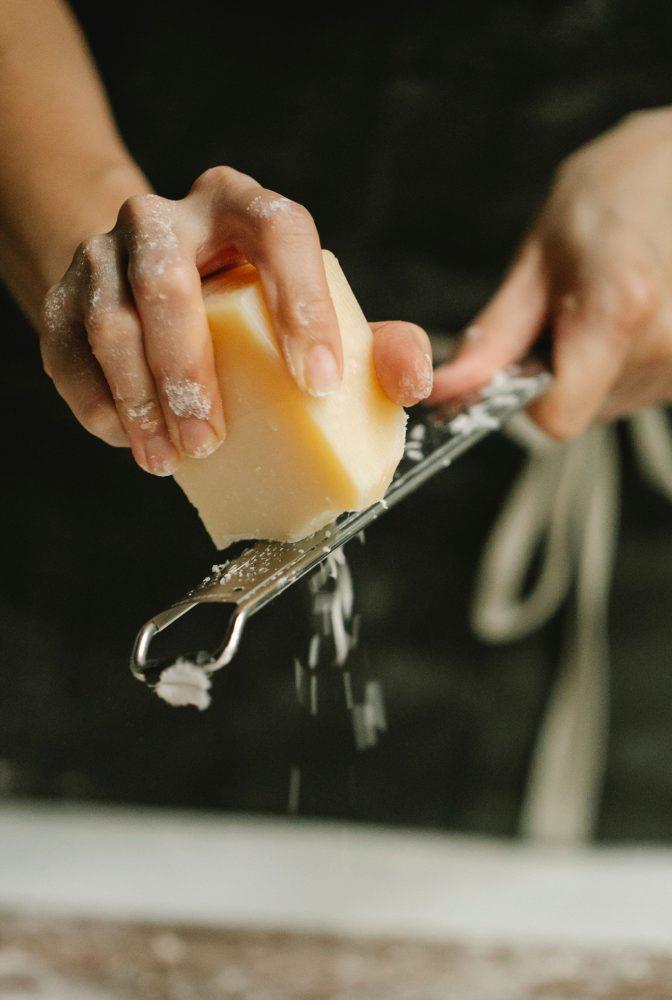
When preparing homemade cheese sauces, dips, or delicate pan sauces, those residual anti-caking agents can create a slightly grainy texture or prevent a seamless emulsion. Grating your own cheese from a solid block eliminates these powdery additives, resulting in a superior melt for gourmet recipes.
Smart Purchasing and Storage Best PracticesNavigating the dairy aisle effectively involves understanding how packaged shredded cheese compares to traditional blocks in terms of convenience and shelf longevity. While pre-shredded bags offer unmatched time-saving convenience for busy weeknight cooking, block cheese generally offers a lower price per ounce and superior melting qualities.
Storing any opened bag of shredded cheese in an airtight container with a paper towel to absorb excess condensation helps prevent spoilage and freezer burn. Mastering these routine food storage habits keeps your dairy fresh and ready for any recipe.
Careful EngineeringThe white powder coating on bagged shredded cheese is a carefully engineered plant-based additive designed to prevent clumping and preserve product usability during distribution. Understanding that cellulose and natural starches serve as protective barriers helps home cooks look past harmless visual textures to evaluate food quality accurately. By balancing the convenience of pre-shredded varieties with the superior melt of block cheese, you can optimize your cooking results.
What is your preferred method for melting shredded cheese evenly across homemade casseroles and baked dishes?
What To Read NextNational Cheeseburger Day Is Friday - Here Are the Best $1, Free and Discounted Burger Deals
Whole Foods Recalls Cabricharme Cheese in 7 States Over Undeclared Egg Allergen
Made Fresh Salads Recalls Deli Salads, Cream Cheese and Other Foods Over Listeria Risk
8 Cottage Cheese Brands Compared - The Winner Wasn't the Most Expensive
Why Cheese and Coffee Are Ending Up Behind Locked Glass

Legal Disclaimer:
MENAFN provides the
information “as is” without warranty of any kind. We do not accept any
responsibility or liability for the accuracy, content, images, videos,
licenses, completeness, legality, or reliability of the information
contained in this article. If you have any complaints or copyright issues
related to this article, kindly contact the provider above.
Comments
No comment