

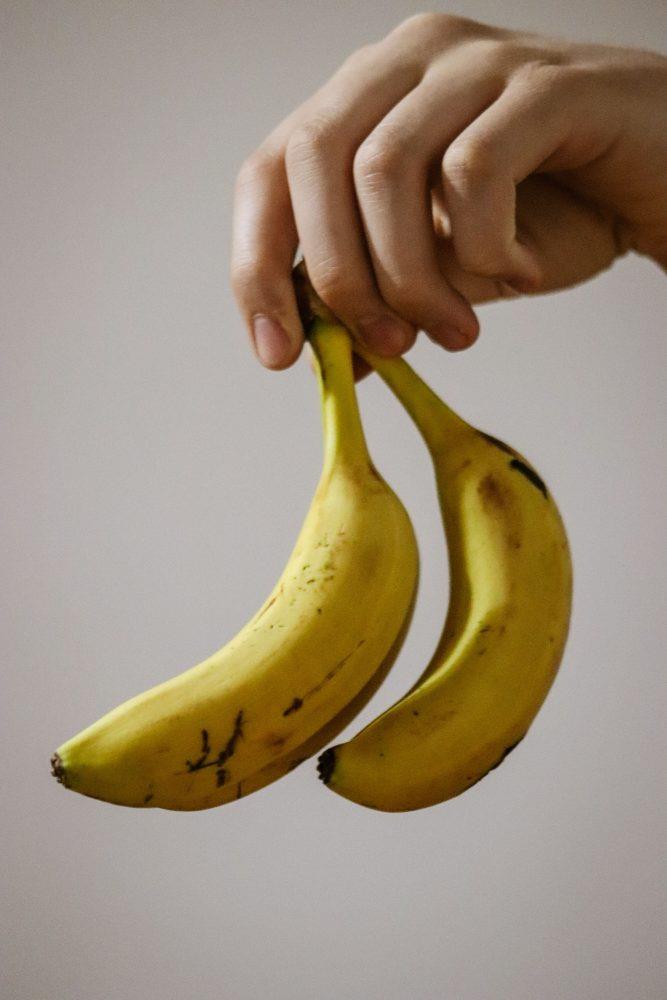
Why Are Bananas So Cheap Compared With Other Fruit?


If you walk through the produce section, bananas are often one of the easiest fruits to buy without spending much money. A bunch can cost only a few dollars, while a small package of berries or another specialty fruit can cost considerably more. That price difference is not simply because bananas are easier to grow. Their year-round availability, large-scale production, transportation system, and relatively durable peel all help keep costs manageable. Even with banana prices rising in recent years, they remain an important low-cost option for shoppers trying to stretch their grocery budgets.
Bananas Are Available Throughout the YearOne major reason bananas are affordable is that grocery stores can sell them throughout the year. Bananas are grown in tropical regions, including countries such as Ecuador and Costa Rica, where growing conditions allow for regular production rather than relying on a short U.S. growing season. Utah State University Extension notes that bananas are available year-round in grocery stores and are commonly grown in tropical climates. This gives retailers a steady supply instead of forcing them to depend on a narrow harvest window. Other fruits can become much more expensive when domestic supplies fall between growing seasons.
Bananas Are Produced on a Massive ScaleBananas are one of the world's most widely produced and traded fruits. The Food and Agriculture Organization reports that the Cavendish variety accounts for just under half of global banana production, with an estimated annual production of about 50 million metric tons. Many bananas destined for export originate from Central and South America and the Philippines. That enormous international supply chain gives supermarkets access to bananas in quantities that would be difficult to match with many smaller specialty fruits. Large-scale production and established trade routes help make bananas a relatively inexpensive produce option.
The Peel Helps Protect the FruitBananas also have a natural advantage when it comes to handling and transportation. Their thick peel provides protection around the edible portion, reducing the need for the type of delicate packaging used for products such as berries. Bananas still require careful handling, but the fruit does not need to be individually wrapped or placed in a rigid container before reaching the store. Transportation and handling technologies have also improved the ability to move tropical fruit long distances while maintaining quality. The USDA has noted that advances in transportation, refrigeration, packaging, and other technologies have helped expand year-round access to imported produce.
Berries Have a Tougher Pricing ChallengeThe price difference becomes easier to understand when you compare bananas with berries. Many berries have more pronounced seasonal production patterns, which can affect the amount available at different times of the year. USDA research has found that retail strawberry prices can vary significantly by season, with winter prices historically much higher than prices during peak domestic production. Imports have helped provide more consistent year-round supplies, but seasonal differences can still influence prices. Bananas, by comparison, have an established international supply that helps keep them available consistently.
Bananas Still Cost More Than They Used ToCheap does not mean banana prices have stayed unchanged. USDA Economic Research Service data shows that the average national retail price for bananas reached about 67 cents per pound in September 2025 before declining slightly to about 65 cents per pound at the beginning of 2026. February 2026 banana prices were still 5% higher than they were in February 2025. The same USDA report also noted that U.S. banana imports declined in 2025 to their lowest volume since 2013. That shows why even this traditionally inexpensive fruit can experience price increases when supply and market conditions change.
The Grocery Store Can Sell Bananas at Low PricesBananas can also work well as a high-volume grocery item because shoppers regularly expect them to be inexpensive. Stores can use popular produce items to attract shoppers while making money across the rest of the grocery basket. That does not mean every supermarket uses bananas as a loss leader, but bananas have become strongly associated with affordable produce. Their relatively low price can make it easier for shoppers to add fruit to a grocery cart without significantly increasing the total. For families buying several pounds of fruit each week, that difference can become meaningful over time.
Bananas Can Help Stretch a Fruit BudgetIf your goal is to buy more fruit without significantly increasing your grocery bill, bananas remain one of the options worth considering. USDA data shows that fruit prices vary substantially by product, with some fruits costing considerably more per cup equivalent than others. In 2023, USDA found that fresh watermelon and fresh apples were among the least expensive fruit options, while many other fruits cost considerably more. Bananas can fit naturally into a budget-friendly produce strategy because they are widely available and sold by weight. Buying them alongside whichever other fruits are on sale can help create variety without relying entirely on more expensive produce.
A Cheap Fruit Can Still Be a Smart Grocery BuyBananas are inexpensive for several connected reasons, including large-scale production, year-round availability, established international trade, and packaging advantages. Their low price is not simply the result of bananas being cheaper to grow than every other type of fruit. Current USDA data also shows that banana prices have increased, so shoppers should not assume that their price will remain unchanged forever. Still, bananas remain a practical choice when you want fresh fruit without spending as much as you might on smaller packages of berries or other specialty produce.
Next time you shop for fruit, compare the price per pound or unit instead of choosing based only on appearance. Adding affordable options like bananas to your cart can leave more room in your grocery budget for the fruits that cost a little more.
What To Read NextGrapefruit Can Interfere With Over 50 Prescription Medications Because It Slows Drug Breakdown in the Body
Want to Cut Pesticides Fast Start With These 15 Fruits and Vegetables
3 Fruits You Should Never Buy Pre Cut Due to New Salmonella Risks
11 Ways to Save on Fresh Fruit This Winter
The Rise of Imperfect Produce Lines: How Ugly Fruit Is Saving Shoppers 30%

Legal Disclaimer:
MENAFN provides the
information “as is” without warranty of any kind. We do not accept any
responsibility or liability for the accuracy, content, images, videos,
licenses, completeness, legality, or reliability of the information
contained in this article. If you have any complaints or copyright issues
related to this article, kindly contact the provider above.
Comments
No comment