

US DFC Approves $1B Loan, $800M Insurance For National Water Carrier


In a statement to Al Mamlaka TV, DFC said that the Build, Operate, Transfer (BOT) project covers the design, development, construction, operation and maintenance of a seawater desalination plant, a water conveyance system and a dedicated power plant.
DFC said that the project is expected to address 75 per cent of Jordan's projected water deficit by 2040, helping mitigate shortages caused by declining rainfall, over-exploited aquifers, ageing infrastructure and rapid population growth following refugee inflows.
Classified as a high-impact project under DFC's Impact Quotient, the project is subject to IFC environmental standards covering labour management, resource efficiency and protection of marine ecosystems.
The National Water Carrier Project has an estimated total cost of approximately $5.8 billion. It is supported by $663 million in international grants from the US, the EU, Germany, the Netherlands, the UK, France, Italy, Japan and the Green Climate Fund.
The government is contributing $722 million, the largest budget allocation for a capital project in the Kingdom's history. The financing package also includes $2.9 billion in international private-sector financing for Meridiam, $1.1 billion from a coalition of commercial banks including the Social Security Investment Fund, and a $475 million senior loan from the European Bank for Reconstruction and Development (EBRD).
Following Cabinet approval on September 17 to grant the necessary tax facilities in the Aqaba Special Economic Zone, government procedures to implement the project remain underway following the signing of the final technical and legal agreement in April.
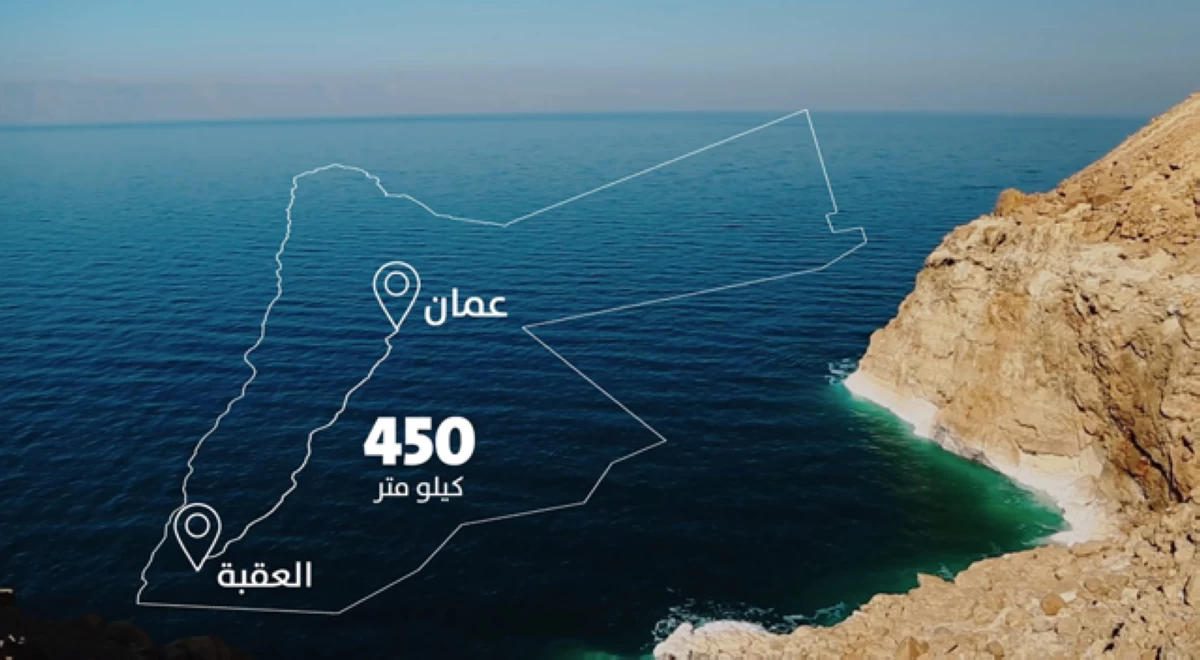
The Kingdom's largest water infrastructure project, the National Water Carrier will desalinate 300 million cubic metres of seawater annually in Aqaba and pump the water north across 450 kilometres and elevations of up to 1,100 metres above sea level.
The project is expected to meet nearly 40 per cent of national drinking water needs and nearly triple the capacity of the Disi Water Conveyance Project. It will raise the annual per capita water share from 60 to 110 cubic metres and increase water supply from one to three days a week.
The project also includes a 300-megawatt solar farm that will provide 30 per cent of its operating energy. Full ownership of the project is scheduled to transfer to the state after 26 years of operation, following planned initial water pumping in 2030.

Legal Disclaimer:
MENAFN provides the
information “as is” without warranty of any kind. We do not accept any
responsibility or liability for the accuracy, content, images, videos,
licenses, completeness, legality, or reliability of the information
contained in this article. If you have any complaints or copyright issues
related to this article, kindly contact the provider above.
Comments
No comment