

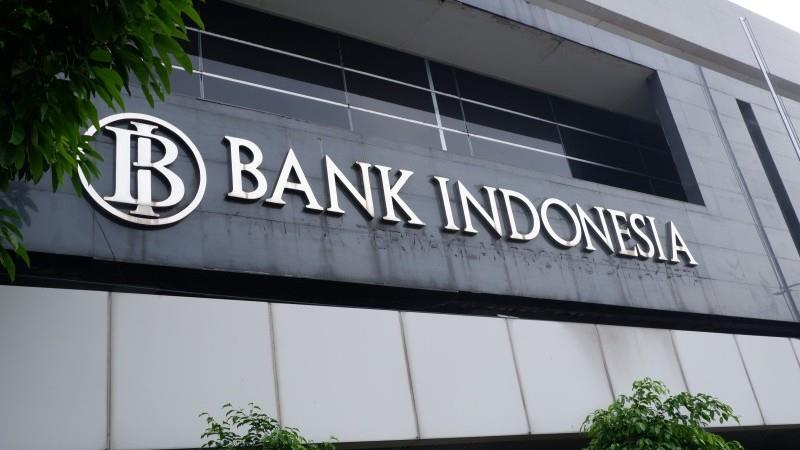
Bank Indonesia Holds, But The Hiking Cycle May Not Be Over


Bank Indonesia kept its policy rate unchanged at 5.75%, in line with market expectations and our own. The central bank also unveiled measures to support the rupiah and ensure ample domestic liquidity, including lower premia on hedging swaps and domestic NDFs. These steps reinforce the view that currency stability remains BI's primary objective. Rather than raising rates and increasing borrowing costs, BI appears willing to rely on targeted market measures to attract inflows and support the rupiah.
Foreign investors are returning, cautiouslyInvestor sentiment towards Indonesia has improved in recent months, supported by greater policy certainty following the appointment of the new finance minister and a renewed commitment to fiscal discipline. Policy continuity has been reinforced by keeping the 2026 budget framework largely unchanged, with the fiscal deficit projected to narrow modestly to 2.85% of GDP from 2.92% in 2025.
Improving confidence has been reflected in the bond market, where foreign investors have recorded net purchases for four consecutive months. However, inflows have recently moderated and remain too modest to signal a decisive shift in sentiment. A more durable recovery in portfolio inflows will likely require greater confidence that the rupiah has stabilised and that macroeconomic risks are continuing to ease.
Rupiah and inflation risks keep tightening on the tableWhile investor sentiment has improved, Indonesia's external accounts remain a key source of vulnerability. FDI inflows are still subdued, while the current account deficit is expected to widen, keeping depreciation pressures on the rupiah elevated. Meanwhile, declining FX reserves and weaker reserve adequacy have reduced Bank Indonesia's scope for sustained currency intervention.
Against this backdrop, we expect BI to maintain its focus on exchange-rate stability. Although improving sentiment has eased near-term pressure on policymakers, the underlying balance of payments picture has yet to improve materially. At the same time, upside risks to inflation from higher fuel prices and a severe El Niño could add to domestic price pressures. We therefore continue to expect one additional 25bp rate hike before year-end.

Legal Disclaimer:
MENAFN provides the
information “as is” without warranty of any kind. We do not accept any
responsibility or liability for the accuracy, content, images, videos,
licenses, completeness, legality, or reliability of the information
contained in this article. If you have any complaints or copyright issues
related to this article, kindly contact the provider above.
Comments
No comment