

Lung Transplant For Chronic Disease: Who May Benefit, What Patients Should Know


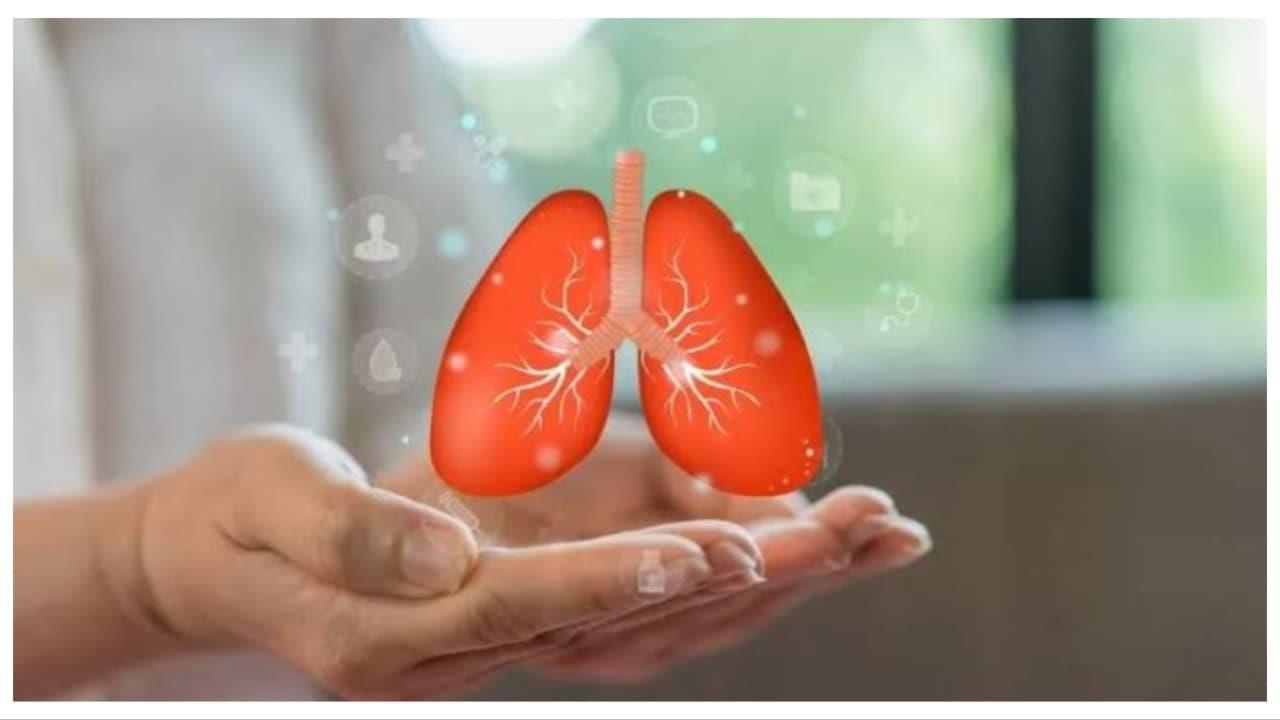
A bilateral lung transplant, also known as a double lung transplant, is a procedure where both lungs are replaced during the same surgery using organs from a deceased donor. Here, both diseased lungs, whether infected, showing complications, or having poor lung function, are removed and replaced with donor lungs from the same donor.
While many pulmonary conditions can be managed with a single-lung replacement, there are several specific medical situations strictly mandate the replacement of both lungs. Some of the conditions that generally demand bilateral transplantation include chronic supportive lung diseases, severe COPD with pulmonary hypertension, and re-transplantation, when a previously transplanted lung has failed. Generally, patients considered for bilateral lung transplant are those whose disease has affected both the lungs.
When maximal medical therapy, pulmonary rehabilitation, and supplemental oxygen no longer suffice, a double lung transplant can offer a second chance at life, significantly improving both survival duration and functional quality of life for patients who have exhausted other reasonable treatment options.
Choosing between a single and a bilateral lung transplant involves balancing initial surgical complexity against long-term survival outcomes. Patients who undergo these complex transplants have higher overall median survival rates and lower long-term complication rates compared to single-lung recipients. Two donor lungs also provide a better functional physiological reserve, making the patient far stronger against future respiratory infections or a slow decline in lung function.
Since this is a highly complex and selective procedure, it typically requires a longer hospital stay. Post-surgery, patients spend several days in the intensive care unit (ICU) for close monitoring, with overall recovery occurring within six months. After 12 months, the risk of lung transplant rejection decreases and lung function improves. Following surgery, strict medical compliance and continuous monitoring are essential, as the lungs are constantly exposed to outside air and immunosuppressed recipients face an ongoing risk of bacterial, viral, and fungal infections. Another risk is chronic lung allograft dysfunction, where there is an irreversible decline in lung function mainly affecting the airways.
However, in spite of these constant risks, advancements in surgical execution, donor organ preservation techniques, and targeted post-operative care have firmly established bilateral lung transplantation as a highly effective, transformative option for carefully selected individuals.
-This article is authored by Dr. Manoj P Nair, Senior Consultant - Cardio Vascular Thoracic Surgery, Aster Medcity, Kochi and Dr. Praveen Valsalan, Senior Consultant - Pulmonology, Aster Medcity, Kochi

Legal Disclaimer:
MENAFN provides the
information “as is” without warranty of any kind. We do not accept any
responsibility or liability for the accuracy, content, images, videos,
licenses, completeness, legality, or reliability of the information
contained in this article. If you have any complaints or copyright issues
related to this article, kindly contact the provider above.
Comments
No comment