

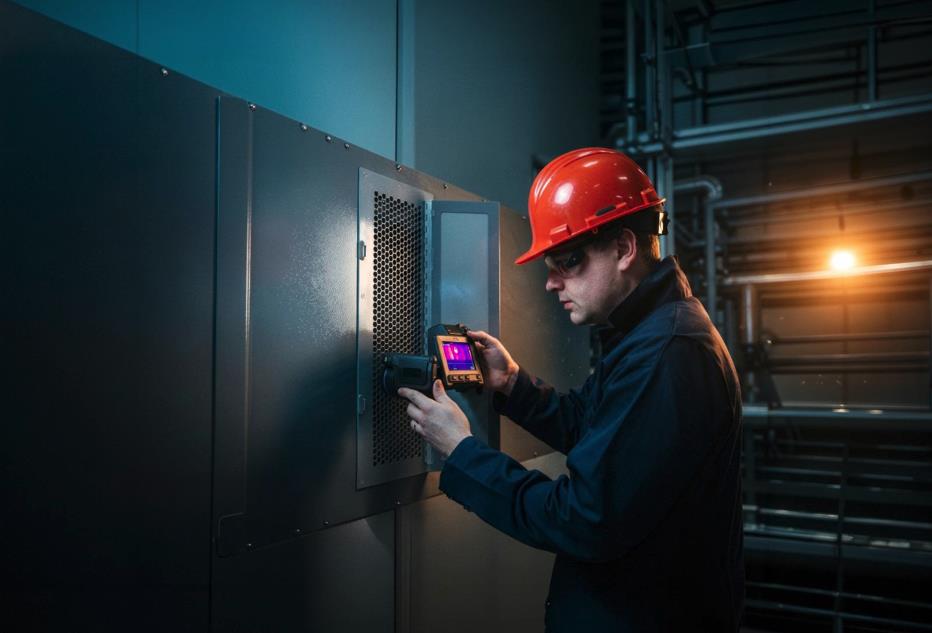
Infrared Windows For Safer Electrical Inspections


The cause might be a sophisticated control issue. It might also be a deteriorating electrical connection inside a cabinet that nobody has inspected recently.
That is easy to overlook when the focus is on faster robots, smarter software, and higher output. Every automated process depends on the electrical equipment behind it. Keeping that equipment healthy means being able to inspect it safely while it is doing its job.
Infrared windows make that easier. They let maintenance teams inspect internal components with a thermal camera while keeping the electrical enclosure closed. It is a straightforward idea that helps protect people and supports the operations relying on them.
Spotting faults earlierElectrical problems can develop long before a machine stops working. A deteriorating connection may produce an unusual heat pattern, giving maintenance teams an early reason to investigate. Thermal imaging helps make those patterns visible.
But a thermal camera cannot see through a metal cabinet door. Pointing it at the outside tells you about the temperature of the enclosure surface. It does not provide a direct view of the connections inside.
Getting that view often means opening the cabinet or removing a cover. That creates a challenge: technicians need to inspect operating equipment, but accessing it can bring them closer to energized parts.
An infrared window provides a permanent viewing point through the enclosure. Its special optic allows infrared energy to reach the camera, giving technicians a view of internal targets without opening the main door or removing the panel.
Think about the steps involved in an inspection that requires panel removal. Someone has to prepare the work area, follow the required safety procedures, remove the cover, and restore everything afterward. Across a facility with hundreds of cabinets, that adds up.
It also creates repeated opportunities for accidental contact or disturbance. Removing the need to open equipment for routine thermal inspections reduces those interactions.
Maintaining a physical barrierAn infrared window does not make electrical hazards disappear. The equipment remains energized, and technicians still need appropriate training, risk assessment, and protective measures. The benefit is practical: a physical barrier stays between the person and the internal components during inspection.
Maintenance teams rarely have spare time. Alongside planned work, there are breakdowns, production requests, and the familiar list of jobs that needed finishing yesterday.
When inspections involve extensive preparation and panel removal, fitting them into the schedule becomes harder. Permanent infrared windows can simplify access and help teams build manageable inspection routes.
That matters because an effective maintenance program depends on consistency. A window creates the opportunity to collect information more easily. Regular inspections, careful interpretation, and timely action give that information value.
For a facility running robotic cells, conveyors, packaging machinery, and automated storage systems, consistent electrical inspections can support the reliability of the whole operation.
Real-world applicationsImagine a robotic palletizing cell working through a busy shift. Everything appears normal, but a routine thermal inspection reveals one electrical connection running hotter than comparable connections under similar operating conditions.
The technician records the finding and passes it to the maintenance team for assessment. Depending on its severity, the issue might require urgent isolation or further investigation during a planned stop.
Either way, the team has information it did not have before.
That creates an opportunity to coordinate with production, arrange resources, and decide what needs to happen next. In an automated process, where one interruption can quickly affect several machines, that opportunity is valuable.
Of course, a window is only useful if it lets you see what you need to inspect.
Before installation, teams should identify the important targets inside the enclosure. Where are the connections? What blocks the view? Can the technician position the camera properly? Will the viewing angle allow a useful inspection?
These questions are easier to answer when maintenance personnel, panel builders, and automation integrators work together during equipment design. Existing cabinets can also be assessed for suitable retrofits, with installation planned for an appropriate shutdown.
Choosing the right windowWindow selection matters too. IRISS polymer infrared windows support thermal inspection alongside visual access, helping technicians connect a thermal finding with the component they are looking at. Rectangular options can provide wider viewing access where the equipment layout allows.
The right choice depends on the environment, enclosure requirements, camera compatibility, and the targets that need to be visible.
Good access is the starting point. Technicians also need to account for the window's infrared transmission, use appropriate camera settings, and understand the limits of what they can see. Components hidden behind internal barriers remain hidden.
Each finding should be linked to the correct asset and recorded with relevant operating conditions. Comparing inspections made under similar conditions helps teams understand whether something is changing.
There also needs to be a clear next step. Who reviews the finding? Who decides its priority? Who checks that the corrective work was completed? Answering those questions turns an inspection into a useful maintenance action.
ConclusionAs manufacturers invest in automation, inspection access deserves attention alongside speed, precision, and output. Building that access into equipment today makes future inspections a more manageable task. Infrared windows help make electrical condition checks safer and easier to repeat.
Combined with trained people and a clear maintenance process, they support the dependable power supply that keeps robots moving, production flowing, and people better protected throughout the working day.
Make electrical maintenance safety routine. Contact IRISS to find the right infrared windows for your equipment and inspection needs.

Legal Disclaimer:
MENAFN provides the
information “as is” without warranty of any kind. We do not accept any
responsibility or liability for the accuracy, content, images, videos,
licenses, completeness, legality, or reliability of the information
contained in this article. If you have any complaints or copyright issues
related to this article, kindly contact the provider above.
Comments
No comment