

10 Places Americans Are Getting Tired Of Being Asked To Tip In 2026


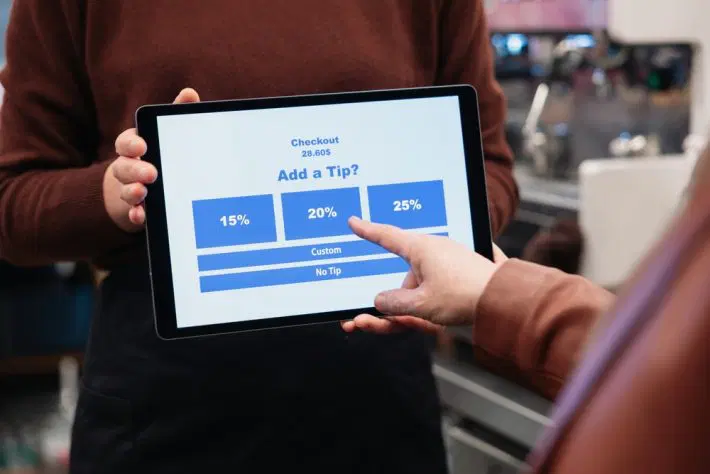
Coffee shops are one of the most familiar battlegrounds in the debate over tipping fatigue in 2026. Ordering a complicated espresso drink from a skilled barista can feel different from grabbing a drip coffee and having someone hand you a cup, yet the same touchscreen may suggest 20% or more for both transactions. Square's 2025 restaurant data showed café tips averaged 14.57% in the second quarter, down from 14.72% in the first quarter. That suggests consumers are still tipping at cafés, even as they become more selective about how much. A custom drink, exceptional service, or large order may inspire a tip, but customers shouldn't assume every tablet prompt represents a new social obligation.
2. Fast-Food and Quick-Service RestaurantsThe line between traditional fast food and quick-service dining has become blurry, particularly as more restaurants use tablets, kiosks, and countertop card readers. Toast's Q2 2026 data show customers at quick-service restaurants tipped an average of 15.8% on applicable card and digital transactions, compared with 19.1% at full-service restaurants. That gap makes sense because someone taking your order at a counter isn't providing the same type of table service as a server checking on you throughout a meal. Yet a screen offering 18%, 20%, and 25% can make the customer feel as though declining is an unusually aggressive choice. Remember that a suggested percentage is a payment-interface option, not proof that etiquette requires you to choose it.
3. Takeout Counters Where You Pick Up Your Own FoodOrdering online, driving to the restaurant, walking inside, and carrying your own food back to the car leaves some customers wondering exactly what they're tipping for. Americans do still tip on takeout, but at a noticeably lower rate than at sit-down restaurants. Toast reports that customers who tipped on takeout transactions left an average of 13.8% in Q2 2026. Someone who carefully packages a complicated $150 family order may reasonably inspire more generosity than someone handing over a single sealed sandwich. The growing frustration comes when checkout software presents takeout customers with the same high default percentages they'd expect after receiving full table service.
4. Self-Service KiosksFew things capture tipping fatigue in 2026 quite like interacting primarily with a machine and then being presented with a gratuity screen. Kiosks are increasingly used to place orders, customize meals, and process payments, reducing the amount of direct employee interaction involved in a transaction. A customer may reasonably wonder who receives the tip, whether employees share it, and what additional service the gratuity is rewarding. There's nothing wrong with leaving something when workers still prepare, package, or provide meaningful service behind the scenes, but the existence of a tip button doesn't answer those questions. When you're uncertain, ask where tips go rather than assuming the payment screen itself establishes the etiquette.
5. Bakeries and Grab-and-Go Food CountersYou point to a muffin, an employee puts it in a bag, and the register suddenly suggests a $2 tip on a purchase that took 20 seconds. These small transactions are where percentage-based prompts can feel particularly awkward because the interaction resembles retail as much as traditional food service. Customers may happily tip when an employee prepares drinks, assembles a large order, offers extensive help, or provides exceptional service but feel differently about buying a prepackaged item. The important distinction is that digital payment systems make asking for a gratuity effortless even in businesses where tipping historically wasn't routine. That's one reason the phrase tipping fatigue in 2026 is about the frequency of the request as much as the amount being requested.
6. Convenience Stores and Small Retail CountersTip jars at neighborhood stores aren't new, but electronic prompts have expanded the experience beyond the traditional jar beside a cash register. Customers can now encounter tipping options at specialty markets, small retail counters, and other businesses where an employee primarily rings up merchandise. The 2025 Bankrate tipping survey found 38% of Americans were annoyed by pre-entered tip screens, highlighting how the technology itself has become part of the backlash. Retail employees may provide terrific service, but consumers don't have to treat every checkout prompt like a mandatory surcharge. If you're simply buying merchandise and receiving ordinary checkout service, it's reasonable to distinguish that interaction from traditionally tipped services.
7. Food TrucksFood trucks sit in a gray area because there's often significant work happening behind the window even though customers never receive table service. A cook may prepare your entire meal to order in a tiny kitchen during a rush, which is why many customers willingly leave a few dollars. The frustration tends to arise when a percentage-based prompt makes a $16 counter-service meal suddenly feel as though it carries the same tipping expectation as a full-service restaurant. Toast's current restaurant data provide a useful benchmark: full-service tips averaged 19.1% in Q2 2026 while quick-service tips averaged 15.8%. Customers can use the level of service (not merely the percentages displayed on a tablet) to decide what makes sense.
8. Ice Cream and Frozen-Yogurt ShopsIce cream shops provide another good example of how radically different levels of service can produce the same checkout prompt. Someone hand-scooping four complicated sundaes for a family is doing considerably more work than a cashier weighing a cup of frozen yogurt you dispensed and topped yourself. Yet automated checkout systems can present both customers with identical percentage choices. That's where tipping becomes less about following one universal rule and more about recognizing actual service. For people experiencing tipping fatigue in 2026, giving themselves permission to evaluate the interaction instead of automatically pressing the middle button can remove much of the anxiety.
9. Drive-Thru WindowsDrive-thru tipping can surprise customers because the format traditionally emphasized speed, convenience, and minimal interaction. Some modern point-of-sale systems now make it possible for restaurants to request gratuities even when customers never leave the driver's seat. Workers are still preparing and handling the order, of course, but many consumers distinguish that from a server providing sustained table service. The broader data reflect that distinction, with consistently lower tipping percentages at quick-service restaurants than full-service establishments. A tip for exceptional service is always an option, but customers don't need to assume a drive-thru prompt suddenly created a universal etiquette rule.
10. Anywhere a Service Fee Is Already on the BillPerhaps nothing frustrates customers faster than seeing a service charge on the receipt and then encountering another screen asking for a 20% tip. The two aren't necessarily the same because businesses can structure service fees differently, and the money may not be distributed to employees in the same way as gratuities. That's precisely why customers should read the receipt and ask what a mandatory fee covers before deciding whether to leave anything additional. Automatic gratuities, service fees, taxes, and local wage rules can all affect the tipping calculation. When a bill contains multiple fees and an additional tip line, getting clarification isn't cheap; it's sensible financial housekeeping.
The Screen Doesn't Get to Decide Your TipTipping fatigue in 2026 doesn't mean abandoning the workers who traditionally depend on gratuities, particularly servers, bartenders, delivery workers, and others providing personal service. It means recognizing that digital checkout technology has expanded tip requests into transactions where the social expectation may be much less established. Toast's Q2 2026 figures still show a clear behavioral difference, with average card and digital tips of 19.1% at full-service restaurants versus 15.8% at quick-service locations. Before automatically tapping 20%, consider the service you actually received, check whether gratuity or a service charge has already been added, and remember that a preset screen is a suggestion rather than an etiquette authority.
Where have you been asked to tip lately that made you think,“Wait, I'm supposed to tip for this?” Share your experience in the comments.

Legal Disclaimer:
MENAFN provides the
information “as is” without warranty of any kind. We do not accept any
responsibility or liability for the accuracy, content, images, videos,
licenses, completeness, legality, or reliability of the information
contained in this article. If you have any complaints or copyright issues
related to this article, kindly contact the provider above.
Comments
No comment