

Australia Is Responding To Domestic Violence After The Event, Not Preventing It From Happening


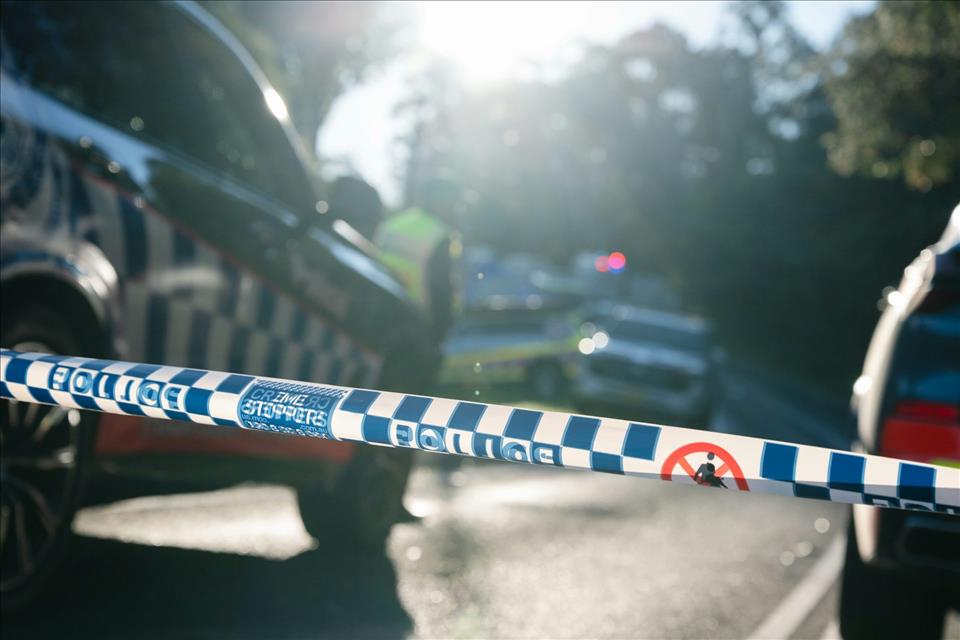
Last weekend, four people were killed, including one child, in separate incidents (two children also suffered serious injuries).
While significant money has been spent Australia-wide on worthy initiatives such as women's shelters, crisis lines and safe at home packages, it appears our governments are focusing on responding to men's violence after the event – not preventing it in the first place.
The attacks and the responseAt the weekend, three men were charged with domestic violence-related murders in NSW.
Police allege two women, aged 23 and 90, were fatally stabbed in separate incidents in their homes in Wagga Wagga and Sydney's Bondi Beach.
A third woman, aged 70, was found dead at a property in the state's Northern Tablelands region.
Later on Sunday a five-year-old child died after being stabbed in the Blue Mountains, with two siblings and a woman also suffering stab wounds. Police have confirmed the woman, the children's mother, is a suspect in the attack.
The horrific incidents led NSW Police Deputy Commissioner Peter McKenna to state:
In response, NSW Premier Chris Minns said Australians couldn't“become numb to the pain or the violence that we see”. He added:
Kellie Sloane, the state's opposition leader, said:
So what can we do now?
It's usually men who commit this violenceFinding reliable data on domestic and family violence is tricky: most victims do not formally report to authorities, while police data tend to capture only the most severe cases, and legal definitions vary across Australia.
But the issue appears to be getting worse: in March, the Australian Bureau of Statistics (ABS) reported an 8% rise in domestic violence cases in the 2024–25 financial year – the highest rate recorded since national reporting began.
While one of the suspects from the weekend's horrific incidents is a woman, it's clear men are at the heart of this issue.
ABS statistics show, during the 2024–25 financial year, around 78% of the 97,800 domestic and family violence offenders proceeded against by police across Australia were men.
Is our money spent wisely?In September 2024, Albanese stated the federal government was committing $4.7 billion“for gender-based violence and frontline legal services through new agreements between the Commonwealth and the states and territories”.
But it took Australian governments a long time to dedicate specific funding to this problem: independent Australian law firm MinterEllison analysed the history of Commonwealth expenditure on domestic and family violence. It found funding did not commence until 2010-11, starting with a paltry $1.8 million.
Over the next 25 years, this increased to $643.9 million in 2023–24; a welcome increase, but still only 0.025% of Australia's gross domestic product.
Worryingly, federal and state funding has always been overwhelmingly focused on response to the crisis as opposed to preventing men's violence in the first place.
In 2015–16, for example, the federal government allocated $117.3 million to domestic and family violence. Only $21.7 million was for prevention.
In 2021–22, overall federal funding was $151.8 million – but only $92.5 million was allocated to prevention.
Recent developments in two major Australian states also paint a worrying picture.
In July this year, it was revealed Queensland's government cut $40 million from domestic and family violence prevention compared with the previous year. Men's prevention programs were cut as part of that funding decrease.
Just a month earlier, the NSW government announced it would invest an additional $184.1 million for domestic and family violence. But of this, only $19.3 million went into men's behaviour change programs to reduce and prevent violent and abusive behaviour.
While any increase in domestic and family violence funding should be lauded, it's time to spend more on prevention specifically.
Behaviour change is crucialOverwhelmingly, men are the main drivers of domestic and family violence. Yet governments invest little in preventing men's violence.
Read more: Giving men a common antidepressant could help tackle domestic violence: world-first study
Increased funding should not come at the expense of support for victim survivors, but it is apparent federal and state governments are too often simply responding to men's violence after the fact.
These men are not invisible to any government. They are there, in plain sight.
Until adequate funding is given to challenge and change men's behaviour before the fact, the problem will likely continue.


Legal Disclaimer:
MENAFN provides the
information “as is” without warranty of any kind. We do not accept any
responsibility or liability for the accuracy, content, images, videos,
licenses, completeness, legality, or reliability of the information
contained in this article. If you have any complaints or copyright issues
related to this article, kindly contact the provider above.
Comments
No comment